In any workplace, ensuring the safety and well-being of your team is paramount, and manual handling tasks are often a hidden culprit behind many common injuries. Think about all those times you or a colleague have had to lift, lower, push, pull, carry, or move objects. While these might seem like everyday actions, without proper assessment, they can lead to sprains, strains, and long-term musculoskeletal disorders. It’s not just about heavy lifting; even repetitive light tasks can pose a significant risk over time.

That’s where a structured approach comes in, making it easier to identify potential hazards before they turn into actual problems. Instead of guessing or reacting to incidents, proactive planning saves time, prevents injuries, and boosts overall productivity and morale. Having a reliable framework guides you through the process, ensuring no critical step is missed and that your workplace remains a safe environment for everyone involved in these essential, yet potentially risky, activities.
Why a Manual Handling Risk Assessment Template is Your Go-To Tool
Navigating the complexities of workplace safety can feel overwhelming, especially when it comes to something as pervasive as manual handling. This isn’t just about ticking boxes; it’s about genuinely understanding and mitigating the risks that your employees face daily. A comprehensive manual handling risk assessment template cuts through the confusion, offering a clear, step-by-step pathway to identifying, evaluating, and controlling hazards associated with moving objects in your specific environment. It simplifies what could otherwise be a daunting task, transforming it into an achievable and manageable process for businesses of all sizes.
Using a template means you don’t have to start from scratch every time. It provides a consistent framework, ensuring that all relevant factors are considered, from the weight and size of items being handled to the posture of the person doing the handling and the environment in which the task takes place. This systematic approach helps you pinpoint specific areas of concern, allowing you to implement targeted interventions rather than relying on guesswork. It’s a foundational element for building a robust safety culture, demonstrating your commitment to protecting your workforce and adhering to health and safety regulations.
Key Components You’ll Find
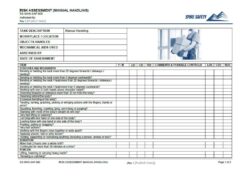
A well-designed manual handling risk assessment template isn’t just a blank form; it’s a carefully structured document that guides you through a logical evaluation process. It breaks down the assessment into manageable sections, making sure you address all the critical aspects that contribute to manual handling risks. This usually starts with identifying the specific tasks and individuals involved, then delves deeper into the task itself, the load characteristics, the working environment, and individual capabilities.
- **Task Description:** Detail exactly what manual handling is being performed, including frequency and duration.
- **Load Characteristics:** Document the weight, size, shape, stability, and grip of the items being handled.
- **Environmental Factors:** Consider space constraints, flooring, lighting, temperature, and potential obstructions.
- **Individual Capabilities:** Take into account the physical fitness, training, and experience of the person doing the handling.
- **Control Measures:** Outline existing controls and propose new ones to reduce identified risks.
- **Review Dates:** Schedule regular reviews to ensure the assessment remains current and effective.
By filling out these sections methodically, you create a detailed record of potential risks and the steps taken to mitigate them. This documentation is invaluable not only for internal safety management but also for demonstrating compliance during inspections or in the event of an incident. It helps to ensure that your risk assessments are not just one-off events but rather an ongoing and evolving part of your health and safety management system.
Steps to Effectively Use Your Manual Handling Risk Assessment Template
Once you have a manual handling risk assessment template, the next crucial step is putting it into action effectively. It’s more than just filling in boxes; it’s about engaging with the process and truly understanding the dynamics of manual handling in your workplace. Start by walking through your operational areas, observing how tasks are performed and speaking with the employees who carry them out. Their insights are invaluable, as they are often the most aware of the practical challenges and potential hazards that might not be immediately obvious from a management perspective.
The goal is to be thorough and objective, looking for anything that could contribute to an injury. This involves considering the entire manual handling chain, from where an item is picked up to where it is set down, and everything in between. Don’t forget to involve relevant stakeholders, including supervisors and safety representatives, to ensure a comprehensive and well-rounded assessment that incorporates diverse perspectives. Their collective experience will help uncover nuances that a single individual might overlook.
- **Identify the Task:** Pinpoint specific manual handling tasks in your workplace.
- **Assess the Risk:** Use the template to evaluate the task, load, environment, and individual performing it.
- **Determine Control Measures:** Based on your assessment, identify and implement practical solutions to reduce risks.
- **Record and Review:** Document your findings, actions taken, and set a date for periodic review.
- **Train and Communicate:** Ensure employees are aware of the risks and trained on new control measures.
Once you’ve identified potential risks and outlined control measures, the real work begins with implementation. This might involve introducing new equipment, redesigning workstations, providing specific training, or even altering work schedules to reduce repetitive strain. It’s important to communicate these changes clearly to your team, explaining why they are being made and how they contribute to a safer working environment. Employee buy-in is critical for the success of any safety initiative.
Finally, remember that risk assessment isn’t a one-time event. Workplaces evolve, tasks change, and new equipment is introduced, all of which can alter risk profiles. Regularly reviewing your assessments, especially after any incidents, near misses, or significant changes in your operations, is vital. This ensures that your safety measures remain effective and responsive to the dynamic nature of your workplace, continuously adapting to protect your most valuable asset: your people.
Implementing a robust system for managing manual handling risks doesn’t just protect your employees; it also contributes to a more efficient and productive operation overall. When your team feels safe and supported, they can perform their duties with greater confidence and less worry about potential injuries. This proactive approach minimizes disruptions from accidents, reduces lost workdays, and ultimately fosters a positive workplace culture where health and safety are integrated into daily practices.
By systematically addressing potential hazards and consistently reviewing your safety protocols, you create a resilient work environment that adapts to challenges and prioritizes well-being. It’s an investment that pays dividends in both human well-being and operational continuity, demonstrating your commitment to maintaining high standards of care and responsibility within your organization. A well-managed manual handling strategy is a cornerstone of a healthy and sustainable business.