Navigating the healthcare system can often feel like a complex journey, not just for patients dealing with medical conditions, but also for their families who are trying to support them. In this intricate landscape, medical social workers play an absolutely vital role. They are the bridge between a patient’s medical needs and their broader life circumstances, ensuring that physical health is understood within the context of their psychosocial environment.
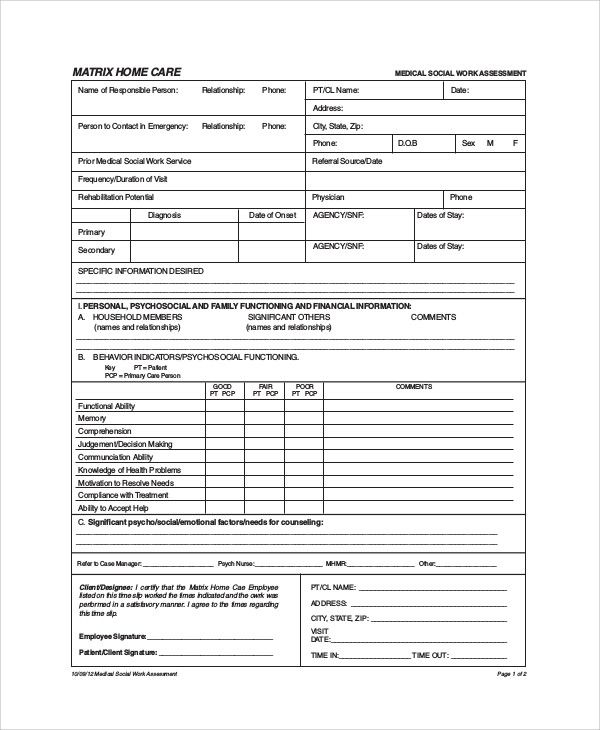
To effectively provide this crucial support, medical social workers rely on thorough and systematic assessments. These assessments are not merely paperwork; they are comprehensive tools that gather essential information to help patients cope, plan for discharge, access resources, and ultimately improve their overall well-being. Having a well-structured medical social work assessment template can significantly enhance this process, ensuring consistency, efficiency, and a holistic approach to care.
Understanding the Core of Medical Social Work Assessments
At its heart, a medical social work assessment is about painting a complete picture of a patient, extending far beyond their medical diagnosis. While doctors focus on clinical treatments, social workers delve into the social, emotional, environmental, and financial factors that impact a patient’s health and recovery. This comprehensive view is essential because we know that a person’s living situation, support network, mental health, and financial stability can profoundly influence their ability to heal, manage chronic conditions, and follow through with treatment plans. Without this understanding, even the best medical care might fall short.
The assessment process involves careful listening, empathetic inquiry, and a deep understanding of human behavior and social systems. It helps identify barriers to care, potential risks, and available strengths and resources. For example, a patient might be medically ready for discharge, but without a safe home environment or family support, their recovery could be jeopardized. The social worker’s assessment brings these critical non-medical factors to light, allowing the healthcare team to create a truly individualized and effective care plan.
Key Areas Covered in an Assessment
A robust assessment typically explores several interconnected domains to get a full understanding of a patient’s situation. These areas might include:
- Psychosocial History: This covers aspects like current mental health status, history of substance use, past traumas, and coping mechanisms. Understanding a patient’s emotional landscape is crucial for providing appropriate support and referrals.
- Family and Social Support: Who are the patient’s primary supports? What is the family dynamic like? Are there any concerns regarding caregiver burden or potential abuse? Strong social connections are often a major protective factor in health.
- Environmental Factors: This includes housing stability, safety of the home environment, access to transportation, and community resources. Living conditions can directly impact health outcomes and a patient’s ability to attend appointments or manage self-care.
- Financial and Insurance Status: Understanding a patient’s financial capabilities and insurance coverage is critical for accessing necessary medications, follow-up care, and other services without undue burden.
- Cultural and Spiritual Beliefs: These play a significant role in a patient’s understanding of illness, decision-making, and preferred coping strategies. Cultural sensitivity is paramount in providing respectful and effective care.
- Functional Abilities and Needs: How does their medical condition impact their daily activities? What assistance might they need for personal care, mobility, or managing their household?
By systematically gathering information across these areas, medical social workers can advocate for their patients, coordinate necessary services, and empower individuals to navigate their healthcare journey more successfully. This thoroughness ensures that no critical aspect of a patient’s life that impacts their health is overlooked.
Crafting Your Own Effective Medical Social Work Assessment Template
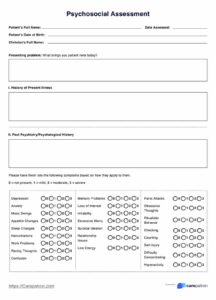
Developing a well-structured medical social work assessment template is an invaluable step for any social worker. It brings consistency to your practice, ensures that you cover all essential areas with every patient, and saves precious time that can be better spent directly engaging with individuals and families. A good template isn’t just a checklist; it’s a dynamic framework that guides your inquiry while still allowing for the nuanced, individualized narratives that are so crucial in social work. It helps you organize complex information into a clear, concise format that can be easily shared with the interdisciplinary team.
When you’re thinking about designing your own medical social work assessment template, it’s helpful to start with the foundational elements that are always relevant. Begin with basic demographic information, but then move quickly into open-ended sections that encourage patients to share their story in their own words. Consider how you will document their immediate concerns, their understanding of their current medical situation, and their hopes and fears for the future. Remember that the best templates are not rigid; they offer structure while leaving ample space for narrative notes and clinical impressions, which truly capture the essence of a patient’s experience.
Here are some practical considerations when building your template:
- Structure for Flow: Arrange sections logically, perhaps moving from general demographics to current concerns, then history, and finally, a strengths-based assessment and plan. This creates a natural conversational flow during the assessment itself.
- Mix of Open-Ended and Specific Questions: Include both yes/no or multiple-choice options for quick data capture, alongside prompts that encourage detailed responses and qualitative information. This balance is key for both efficiency and depth.
- Incorporate Strengths-Based Language: Beyond identifying problems, ensure your template prompts you to document a patient’s resources, resilience, coping skills, and support systems. This positive framing empowers both the patient and the care team.
- Ethical Considerations and Consent: Include a section to document informed consent for services, confidentiality agreements, and any safety concerns or mandated reporting requirements.
Regularly reviewing and refining your template based on your experiences and evolving practice standards will ensure it remains an effective and relevant tool. It’s an iterative process, much like social work itself, always striving to improve the way we serve our patients.
The thoughtful application of comprehensive assessments, supported by robust templates, elevates the quality of care and truly embodies the holistic approach that medical social work champions. By meticulously gathering and interpreting patient information, social workers can effectively advocate for the resources and support that patients need to thrive, both inside and outside the hospital walls. This meticulous work is a cornerstone of patient-centered care, ensuring that every individual’s journey toward health is supported with empathy, expertise, and a deep understanding of their unique circumstances.