Embarking on a journey with a new client in occupational therapy is always a unique experience, each individual bringing their own set of challenges, goals, and daily routines. At the heart of truly understanding how to best support them lies the functional assessment. This initial, thorough evaluation isn’t just a formality; it’s the cornerstone of crafting personalized, effective treatment plans that genuinely resonate with a person’s life and help them regain independence in meaningful ways. It’s about looking beyond diagnoses and focusing on what truly matters: how someone functions in their everyday world.
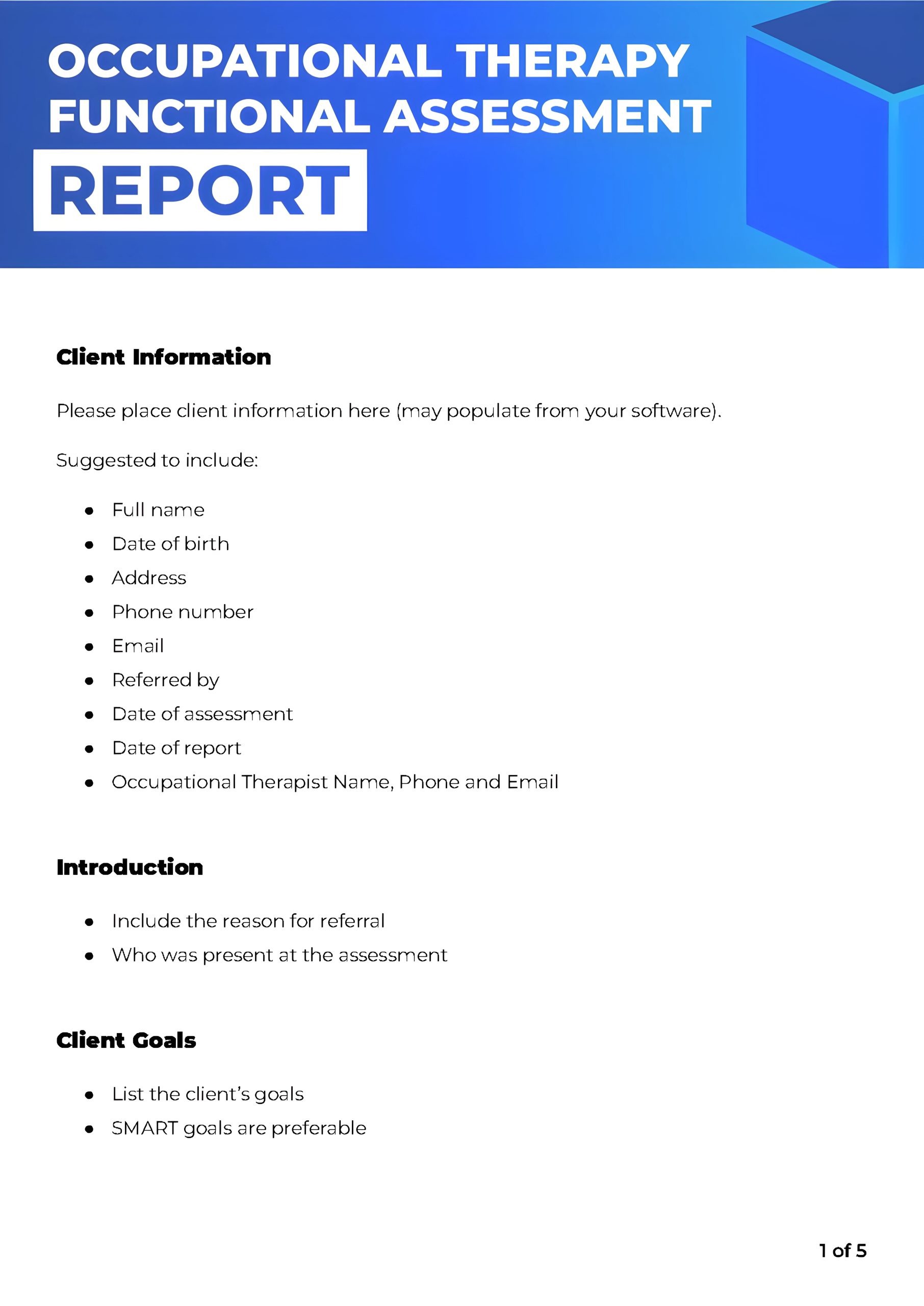
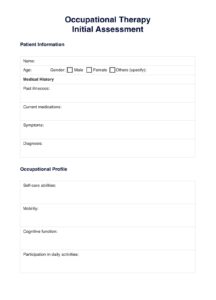
To ensure consistency, thoroughness, and efficiency in this vital process, many practitioners turn to a structured approach. This is where an occupational therapy functional assessment template becomes an invaluable tool. It acts as a guide, ensuring no critical stone is left unturned while streamlining the documentation process. By providing a clear framework, it allows therapists to focus more on the client’s story and less on remembering every single data point they need to cover, ultimately leading to more comprehensive and actionable insights for intervention.
The Core Elements of an Effective Occupational Therapy Functional Assessment Template
A truly effective occupational therapy functional assessment template goes far beyond a simple checklist. It’s designed to capture a holistic picture of a client’s functional abilities, challenges, and aspirations within their unique environment. The goal isn’t merely to identify deficits, but to understand the interplay between physical, cognitive, psychosocial, and environmental factors that influence a person’s ability to participate in their desired occupations. This client-centered approach ensures that the assessment leads directly to interventions that are relevant and meaningful to the individual, promoting engagement and motivation throughout their therapy journey.
When building or choosing a template, consider its capacity to gather both objective and subjective data. Objective data comes from standardized tests, observations of task performance, and measurements, providing a factual baseline. Subjective data, on the other hand, is equally critical, encompassing the client’s self-reported experiences, perceptions of their difficulties, and their personal priorities. Combining these two perspectives offers a rich, nuanced understanding of their functional status and how their condition impacts their daily life from their point of view.
Key Areas to Cover in Your Assessment
- Personal Care (Activities of Daily Living – ADLs): Eating, dressing, bathing, toileting, grooming, functional mobility.
- Home Management (Instrumental Activities of Daily Living – IADLs): Cooking, cleaning, financial management, shopping, medication management, community mobility.
- Work and Productivity: Job demands, ergonomics, volunteer activities, school performance.
- Leisure and Social Participation: Hobbies, social interactions, community involvement, recreational activities.
- Cognitive Function: Memory, attention, problem-solving, executive functions, safety awareness.
- Psychosocial Factors: Mood, motivation, coping strategies, social support, self-efficacy.
- Environmental Context: Physical environment (home, workplace, community), social environment, cultural context.
Furthermore, a well-designed template facilitates clear documentation of measurable outcomes. This is crucial not only for tracking a client’s progress but also for setting realistic, achievable goals. By breaking down complex functional areas into smaller, observable components, therapists can quantify improvements over time, demonstrating the effectiveness of their interventions. This data-driven approach strengthens clinical reasoning and allows for dynamic adjustments to the treatment plan as the client evolves.
Optimizing Your Clinical Practice with a Structured Assessment Approach
Integrating a robust occupational therapy functional assessment template into your daily practice can significantly enhance efficiency and elevate the quality of care provided. Imagine the time saved when you have a standardized format for data collection, reducing the need to reinvent the wheel for every new client. This consistency ensures that all pertinent areas are covered, minimizing the risk of overlooking critical details that could impact treatment planning. Moreover, clear and organized documentation makes it easier to review client histories, collaborate with colleagues, and ensure continuity of care, especially in busy clinical settings.
Beyond internal benefits, a well-structured template plays a pivotal role in external communication and justification. When working with insurance companies, a comprehensive and clearly documented functional assessment provides the necessary evidence to justify the medical necessity of occupational therapy services. It outlines the client’s baseline abilities, identified deficits, and the anticipated outcomes, painting a clear picture of why specific interventions are required. This level of detail also empowers you to communicate effectively with other healthcare professionals, ensuring a cohesive, interdisciplinary approach to client care.
While templates provide valuable structure, the best ones also allow for flexibility and customization. No two clients are exactly alike, and their unique stories and circumstances demand a personalized touch. A good occupational therapy functional assessment template offers a foundation, but it should also provide space for narrative notes, client quotes, and specific observations that capture the individual nuances not covered by standardized checkboxes. This balance between structure and adaptability ensures that the assessment remains client-centered and truly reflective of their needs and goals.
Ultimately, functional assessment in occupational therapy is not a one-time event but an ongoing process. A versatile template can be utilized not just for initial evaluations but also for re-assessments, tracking progress over time, and adjusting goals as a client meets their milestones. This dynamic application reinforces the therapist’s ability to monitor the effectiveness of interventions and adapt to changing client needs, ensuring that therapy remains relevant and impactful throughout the entire course of treatment, from admission to discharge.
The commitment to thorough and insightful functional assessment is a cornerstone of excellent occupational therapy practice. By embracing a well-designed occupational therapy functional assessment template, practitioners can elevate their efficiency, ensure comprehensive data capture, and, most importantly, provide truly individualized and effective care. This systematic approach allows therapists to confidently guide their clients toward greater independence and participation in the activities that bring meaning to their lives, transforming challenges into achievable goals.
Empowering both the therapist and the client, a strong foundation built on a detailed assessment sets the stage for success. It ensures that every step of the therapy journey is informed, intentional, and aligned with the client’s deepest aspirations, ultimately fostering a path towards improved function, enhanced quality of life, and sustained well-being in their everyday environments.