Embarking on a journey to improve community health is a truly commendable endeavor, and at its heart lies a critical first step: understanding exactly what your community needs. This isn’t just about guessing or relying on assumptions; it’s about a systematic, evidence-based approach to identify health disparities, resource gaps, and opportunities for intervention. A public health needs assessment serves as your compass, guiding efforts towards the most impactful solutions, ensuring that precious resources are allocated where they can do the most good.

It can feel a bit daunting to start such a comprehensive project, especially if you’re not sure where to begin. That’s where having a structured framework comes in incredibly handy. Imagine having a clear roadmap that outlines each step, from initial planning to data analysis and strategic recommendations. This guide aims to demystify the process, offering insights into how a well-designed public health needs assessment template can streamline your efforts, making complex tasks manageable and empowering you to make a real difference in the lives of those you serve.
Understanding the Core Components of a Public Health Needs Assessment
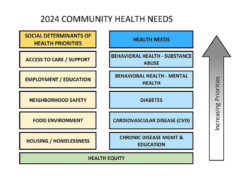
At its essence, a public health needs assessment is like taking a comprehensive health check-up for an entire community. It delves deep into various aspects of community life to paint a clear picture of health status, challenges, and assets. The goal isn’t just to list problems, but to understand their root causes and identify the resources already present within the community that can be leveraged for improvement. This foundational understanding is what ultimately drives effective public health initiatives.
The initial phase involves clearly defining the community you’re focusing on, whether it’s a specific neighborhood, a county, or a particular population group. You also need to establish the scope of your assessment and what specific health areas you want to investigate. Are you looking at chronic diseases, mental health, access to care, or a broader spectrum of well-being? Setting these parameters early on ensures your assessment remains focused and achievable, providing actionable insights rather than an overwhelming amount of information.
Once your scope is defined, the next crucial step is gathering information. This often involves a mix of quantitative data, like mortality rates, disease prevalence, and demographic statistics, combined with qualitative data, which captures the lived experiences and perceptions of community members. Both types of data are vital because numbers tell you *what* is happening, while qualitative insights help you understand *why* and *how* it impacts people’s lives.
Key Data Collection Methods
After collecting all this diverse information, the challenge shifts to making sense of it. This involves careful data analysis, looking for patterns, trends, and significant disparities across different groups within your community. It’s about triangulating data from various sources to confirm findings and build a robust, evidence-based understanding of the community’s most pressing health needs. This rigorous analysis ensures that the identified needs are truly reflective of the community’s reality.
Putting Your Public Health Needs Assessment Template into Action
So, you’ve grasped the core components and understand the multifaceted nature of gathering insights. Now, how do you translate that theoretical knowledge into a practical, implementable plan using a public health needs assessment template? Think of the template not as a rigid questionnaire, but as a flexible framework that guides you through each stage, prompting you to ask the right questions, gather the necessary information, and organize your findings in a coherent manner. It helps maintain consistency, especially when multiple team members are involved, and ensures no critical steps are overlooked.
The beauty of a robust public health needs assessment template lies in its adaptability. While it provides a foundational structure, it’s never a one-size-fits-all solution. Each community is unique, with its own set of cultural nuances, socio-economic factors, and historical context. Therefore, you’ll need to customize your template to reflect these specific characteristics. This might involve tailoring survey questions to be more relevant to your local population, or designing interview protocols that resonate with community leaders and residents. The more personalized your approach, the more authentic and insightful your findings will be.
A truly effective needs assessment isn’t done in isolation; it thrives on collaboration and community involvement. Engaging a wide range of stakeholders throughout the process is absolutely critical. This means not just informing them, but actively involving them in planning, data collection, and interpreting findings. When community members, local organizations, and service providers have a voice, they develop a sense of ownership, making future interventions more likely to succeed. Their insights are invaluable for identifying needs that might not be apparent from data alone and for envisioning solutions that are culturally appropriate and sustainable.
The final, yet perhaps most crucial, step is translating your findings into actionable recommendations and an overarching action plan. This is where the assessment moves from diagnosis to prescription. What specific programs, policies, or partnerships can address the identified needs? How will success be measured? A strong action plan outlines clear goals, objectives, activities, responsible parties, and timelines. It connects the dots between the evidence you’ve gathered and the positive changes you aim to achieve, ensuring that your assessment isn’t just a report, but a catalyst for improvement.
The work doesn’t end once recommendations are made. Public health is an ever-evolving field, and community needs can shift over time due to various factors. Therefore, a needs assessment should be viewed as an ongoing process, not a one-time event. Regularly reviewing and updating your assessment ensures that your strategies remain relevant and effective, allowing for continuous adaptation and refinement of public health efforts. This commitment to ongoing evaluation strengthens the impact and sustainability of all your community health initiatives.