Navigating the complexities of modern supply chains can feel like a high-stakes balancing act. Businesses today rely heavily on a global network of suppliers, each providing crucial raw materials that form the very foundation of their products and services. While this interconnectedness offers tremendous opportunities, it also introduces a myriad of potential disruptions, from geopolitical shifts and natural disasters to financial instability and quality control issues among your suppliers. Without a clear understanding and proactive management of these risks, your operations, reputation, and bottom line could be severely impacted.

This is precisely where a structured approach to identifying, evaluating, and mitigating these vulnerabilities becomes indispensable. Instead of reacting to crises as they emerge, forward-thinking companies are adopting comprehensive strategies to build resilience into their supply chains. A well-designed tool can transform a daunting task into a manageable process, helping you systematically uncover potential weak points before they escalate.
Understanding the Core Elements of a Robust Supplier Risk Assessment
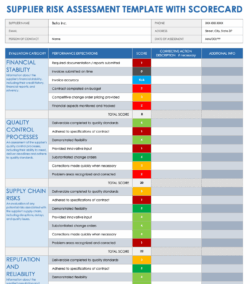
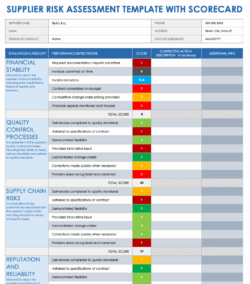
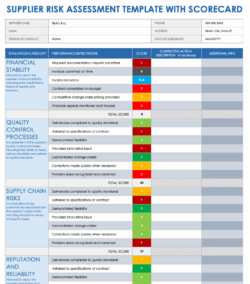
When it comes to safeguarding your supply chain, simply knowing that risks exist isn isn’t enough; you need a methodical way to measure and address them. This is where a robust raw material supplier risk assessment template truly shines. It provides a standardized framework, ensuring that every supplier is evaluated against the same criteria, bringing consistency and objectivity to a process that could otherwise be subjective and prone to oversight. Think of it as your early warning system, designed to give you a clear picture of potential vulnerabilities long before they impact your production schedule or product quality.
A comprehensive template goes beyond a simple checklist, delving into various categories of risk that could affect your raw material supply. It prompts you to consider not just the immediate impact of a supplier failing to deliver, but also the broader implications for your business. For instance, a supplier’s financial health might seem like a distant concern until they suddenly halt production due to insolvency, leaving you scrambling for alternatives.
Key Risk Categories to Consider
- Financial Stability: Is the supplier financially sound and unlikely to face bankruptcy or cash flow issues that could disrupt operations?
- Quality Control: Do they consistently meet your specified quality standards and have robust internal processes to prevent defects?
- Geopolitical & Environmental Risks: Are they located in a region prone to political instability, natural disasters, or stringent environmental regulations that could impact their ability to supply?
- Ethical & Compliance Standards: Do they adhere to ethical labor practices, environmental regulations, and industry-specific compliance requirements, avoiding reputational damage for your company?
- Supply Chain Resilience: Do they have contingency plans for disruptions, such as alternative production facilities or backup logistics, to ensure continuity of supply?
By breaking down the assessment into these manageable categories, a raw material supplier risk assessment template allows you to assign scores, identify critical areas for improvement, and prioritize which risks require immediate attention. It transforms abstract concerns into actionable data, empowering your procurement team to make informed decisions and engage with suppliers on a foundation of clear understanding.
Implementing Your Raw Material Supplier Risk Assessment Template Effectively
Having a powerful tool like a raw material supplier risk assessment template is just the first step; its true value comes from how effectively it’s implemented and integrated into your ongoing procurement strategy. This isn’t a one-off exercise but rather a continuous process that evolves as your business needs change and as your suppliers’ circumstances shift. Regular review and updates are crucial to ensure your risk assessments remain relevant and accurate, reflecting the current realities of your supply chain.
The implementation process begins with thorough data collection. This often involves sending out detailed questionnaires to your suppliers, conducting on-site audits, and leveraging third-party reports or industry intelligence to gather comprehensive information. It’s important to foster open communication with your suppliers during this phase, explaining the purpose of the assessment and how it ultimately benefits both parties by creating a more resilient and reliable supply chain. Their cooperation is key to obtaining accurate and complete data.
Once the data is collected, the next critical step is to analyze and interpret the findings. This often involves assigning risk scores based on predefined criteria and weighting different risk categories according to their potential impact on your business. For example, a supplier’s inability to meet quality standards might be weighted more heavily than a minor logistical delay if product quality is a core competitive advantage for your company. This structured analysis allows you to clearly identify your highest-priority risks and the suppliers that pose the greatest potential threat.
Finally, effective implementation means developing and executing mitigation strategies. This could involve working closely with high-risk suppliers to help them improve their processes, diversifying your supplier base to reduce dependency on a single source, or developing alternative sourcing plans for critical raw materials. The goal is not just to identify risks but to proactively reduce their likelihood and potential impact, ensuring that your operations remain smooth and uninterrupted even when unexpected challenges arise.