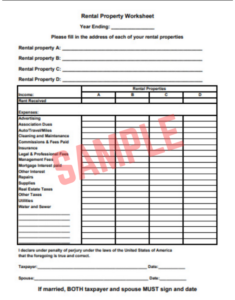
Owning a rental property can be a fantastic way to build wealth and secure your financial future. Beyond the regular rental income, savvy landlords know there are significant tax benefits that can make their investment even more profitable. One of the most powerful, yet sometimes overlooked, of these benefits is depreciation, which allows you to deduct a portion of your property’s cost each year against your rental income.
Understanding and correctly tracking depreciation is crucial for maximizing your tax savings. It might sound a bit complex at first, like wading through complicated tax forms, but with the right approach and a clear system, it becomes much more manageable. That’s where a well-structured rental property depreciation schedule template can truly become your best friend during tax season.
Understanding Depreciation for Your Rental Property
So, what exactly is depreciation when it comes to your rental property? Think of it as the IRS’s way of acknowledging that buildings and their components wear out or lose value over time. While your property might appreciate in market value, the physical structure itself is considered to be “used up” over its useful life. The IRS allows you to deduct a portion of this “wearing out” cost each year, effectively reducing your taxable rental income. It’s important to remember that you can only depreciate the building itself and any improvements you make, not the land it sits on, as land is not considered to wear out.
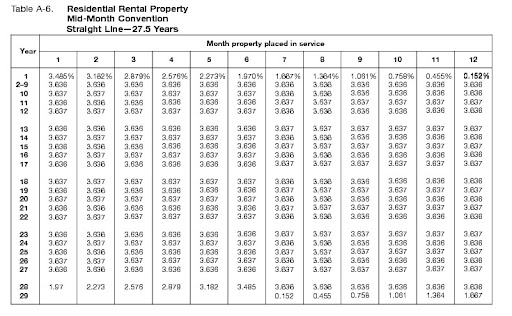
For residential rental properties, the IRS generally dictates a useful life of 27.5 years. This means you’ll typically spread the cost of the depreciable parts of your property over 27.5 years using the Modified Accelerated Cost Recovery System (MACRS), which is the most common depreciation method for real estate. This annual deduction can significantly lower your tax bill, freeing up more capital to invest back into your property or expand your portfolio. It’s a passive deduction, meaning you don’t have to spend money that year to claim it; it simply reflects the assumed decline in the property’s value.
To calculate depreciation, you first need to determine your property’s basis, which is generally its cost plus any closing costs, minus the value of the land. Once you have this depreciable basis, you divide it by the 27.5-year recovery period to arrive at your annual depreciation deduction. Keeping meticulous records of all your property’s costs, including purchase price, renovation expenses, and closing fees, is absolutely essential for accurate depreciation calculations.
Key Components of a Depreciation Schedule
- Acquisition Date: The date you placed the property in service as a rental.
- Initial Cost Basis: The total cost of the property, excluding land value.
- Improvements: Any significant additions or upgrades made to the property.
- Useful Life: The recovery period set by the IRS for different assets (e.g., 27.5 years for residential buildings).
- Depreciation Method: Typically MACRS for rental properties.
- Annual Depreciation Amount: The portion of the cost basis deducted each year.
- Accumulated Depreciation: The total depreciation claimed since acquisition.
- Remaining Basis: The original basis minus accumulated depreciation.
How a Rental Property Depreciation Schedule Template Simplifies Tax Season
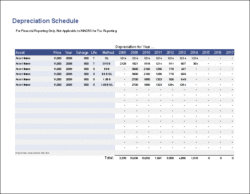
Trying to manually calculate and track depreciation for multiple years, or even just one year, can quickly become overwhelming, especially if you have several properties or various improvements with different recovery periods. This is where a robust rental property depreciation schedule template truly shines. It provides a structured format to input all the necessary information, automatically calculates the annual deduction, and keeps a running tally of your accumulated depreciation and remaining basis.
Imagine having all the critical details for each of your depreciable assets – from the main building structure to a new roof or a renovated kitchen – organized neatly in one place. A good template will guide you to input the acquisition date, initial cost, useful life, and applicable depreciation method for each item. It then automates the calculations, showing you exactly how much you can deduct each year, often for the entire 27.5-year period. This not only saves you countless hours during tax preparation but also significantly reduces the chance of errors that could lead to issues with the IRS.
Furthermore, a template serves as an invaluable record-keeping tool. It creates a clear, documented history of your depreciation claims, which is vital in case of an audit. You’ll have an easy-to-understand breakdown of how each deduction was derived, demonstrating your due diligence and compliance. This level of organization can provide immense peace of mind, knowing that your tax filings are supported by clear, comprehensive data.
While a rental property depreciation schedule template is an incredibly powerful tool for organization and calculation, remember that it’s always wise to consult with a qualified tax professional or accountant. They can offer personalized advice, ensure you’re maximizing all available deductions, and confirm that your calculations and filings are fully compliant with current tax laws. However, having your depreciation schedule neatly organized within a template will make those conversations much more productive and efficient for both you and your tax advisor.
Taking advantage of depreciation is one of the smartest financial moves a rental property owner can make. It’s a non-cash deduction that directly reduces your taxable income, putting more money back into your pocket. By consistently tracking this through an organized system, you ensure you never miss out on this significant tax benefit.
Embracing the use of a clear and detailed template empowers you to confidently manage your property’s financial records. It transforms what might seem like a daunting task into a straightforward process, allowing you to focus more on growing your investment portfolio and less on the complexities of tax season.