Embarking on a residential construction project, whether it’s building a brand new home or undertaking a major renovation, is an exciting venture. However, it also comes with significant financial considerations and the need for meticulous planning. One of the most critical tools for managing the monetary flow of a construction project is a well-structured draw schedule. This essential document provides a clear roadmap for when and how payments will be released to the contractor, ensuring that funds are disbursed in sync with the actual progress of the work.

For both homeowners and contractors, a robust draw schedule is a cornerstone of financial control and transparency. It safeguards the homeowner’s investment by linking payments to completed milestones and provides the contractor with predictable cash flow to cover ongoing costs. Without one, projects can quickly descend into financial confusion, leading to delays, disputes, and stress. That’s where a clear and comprehensive residential construction draw schedule template becomes invaluable, streamlining the entire process and setting clear expectations for everyone involved.
Understanding the Basics of a Construction Draw Schedule
A construction draw schedule is essentially a phased payment plan that outlines the specific stages of a construction project and the corresponding payments due at each stage. Think of it as a series of checkpoints, where a portion of the total project cost is released to the contractor only after certain work has been completed and, often, inspected. This structured approach is designed to protect all parties by ensuring that money is spent wisely and that work progresses as agreed. It’s not just about paying; it’s about paying for what’s done.
The primary purpose of a draw schedule extends beyond simple payment tracking. For homeowners, it provides a sense of security, knowing that they aren’t paying for work that hasn’t been done or materials that haven’t arrived. It also offers a clear way to monitor progress and verify that the project is on track. For contractors, it ensures a steady stream of income to cover labor, materials, and subcontractors, preventing them from having to finance the entire project out of pocket, which can be a significant burden.
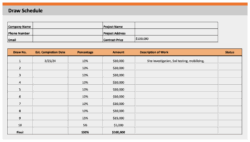
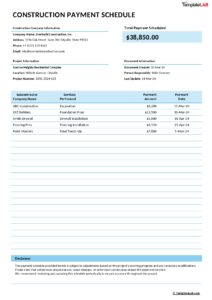
Typically, a draw schedule is broken down into several "draws" or payment installments. These draws are usually tied to major project milestones, such as the completion of the foundation, framing, roofing, rough-ins for electrical and plumbing, drywall, interior finishes, and final completion. Each draw requires an assessment of the work’s completion, often involving an inspection by the homeowner, a lender’s representative, or a third-party inspector, before funds are released. This methodical approach helps to mitigate financial risks for everyone involved.
While the concept of a draw schedule seems straightforward, crafting one that is comprehensive, fair, and legally sound can be complex. It requires a detailed understanding of the construction process, accurate cost estimates, and clear communication between the homeowner, contractor, and any financial institutions involved. This is precisely why having a solid framework, like a well-designed residential construction draw schedule template, can make an enormous difference, providing a structured starting point that can be customized to fit the unique requirements of any project.
Key Elements to Include in Your Draw Schedule
Designing Your Own Residential Construction Draw Schedule Template
When it comes to building or renovating a home, every project has its own unique characteristics, budget, and timeline. Therefore, a residential construction draw schedule template isn’t just a static document to be filled in; it’s a dynamic and adaptable tool that needs to be customized to truly fit the scope and specific demands of your particular endeavor. The beauty of a template lies in providing a robust framework that saves time and ensures no critical details are overlooked, while still allowing for the necessary flexibility.
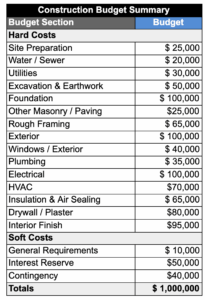
To begin designing your own draw schedule within the template, you’ll first need a clear understanding of your total project budget and a detailed breakdown of all the tasks involved. Start by listing all major construction phases, as these will be your primary milestones. Then, work with your contractor to accurately allocate a portion of the overall budget to each of these phases. This isn’t just guesswork; it should be based on material costs, labor hours, subcontractor quotes, and any permits or fees associated with each stage. Accuracy here is paramount for a functional schedule.
The template then serves as a common ground for clear communication and agreement among all parties. It acts as a shared understanding between the homeowner, the contractor, and often, the lender. Before any work begins, everyone should review and agree upon the draw schedule. This ensures that expectations are aligned, reducing the potential for misunderstandings or disputes later on. Remember, a well-defined draw schedule is often incorporated directly into the construction contract, making it a legally binding document that protects everyone’s interests.
Utilizing a comprehensive residential construction draw schedule template will not only simplify the financial management of your project but also contribute significantly to its overall success. Consider using digital tools like spreadsheets or dedicated project management software to manage your customized template. These can help track progress, alert you to upcoming draws, and maintain a clear audit trail of all payments. By investing time upfront in creating a detailed and agreed-upon draw schedule, you’ll pave the way for a smoother, more transparent, and ultimately more successful residential construction journey.
A well-executed draw schedule is more than just a payment plan; it’s a critical component of successful project management. It provides a structured approach to funding your home build or renovation, ensuring that every dollar spent is tied to tangible progress. By meticulously planning out each stage and payment, you create a transparent and accountable environment for everyone involved.
Ultimately, a carefully crafted draw schedule offers peace of mind. It allows homeowners to track their investment confidently and empowers contractors to manage their cash flow effectively, fostering a collaborative and productive working relationship. When a residential construction project is underpinned by such clarity, the journey from blueprint to reality becomes not just manageable, but genuinely enjoyable.