Ever found yourself in the dark, literally, after a breaker tripped and you had no clue which switch controlled which part of your home? It’s a common scenario, and it can be incredibly frustrating, not to mention a bit unsafe if you’re fumbling around. Your home’s electrical panel is the heart of its power system, and understanding what each breaker does is not just about convenience; it’s a crucial aspect of home safety and maintenance.
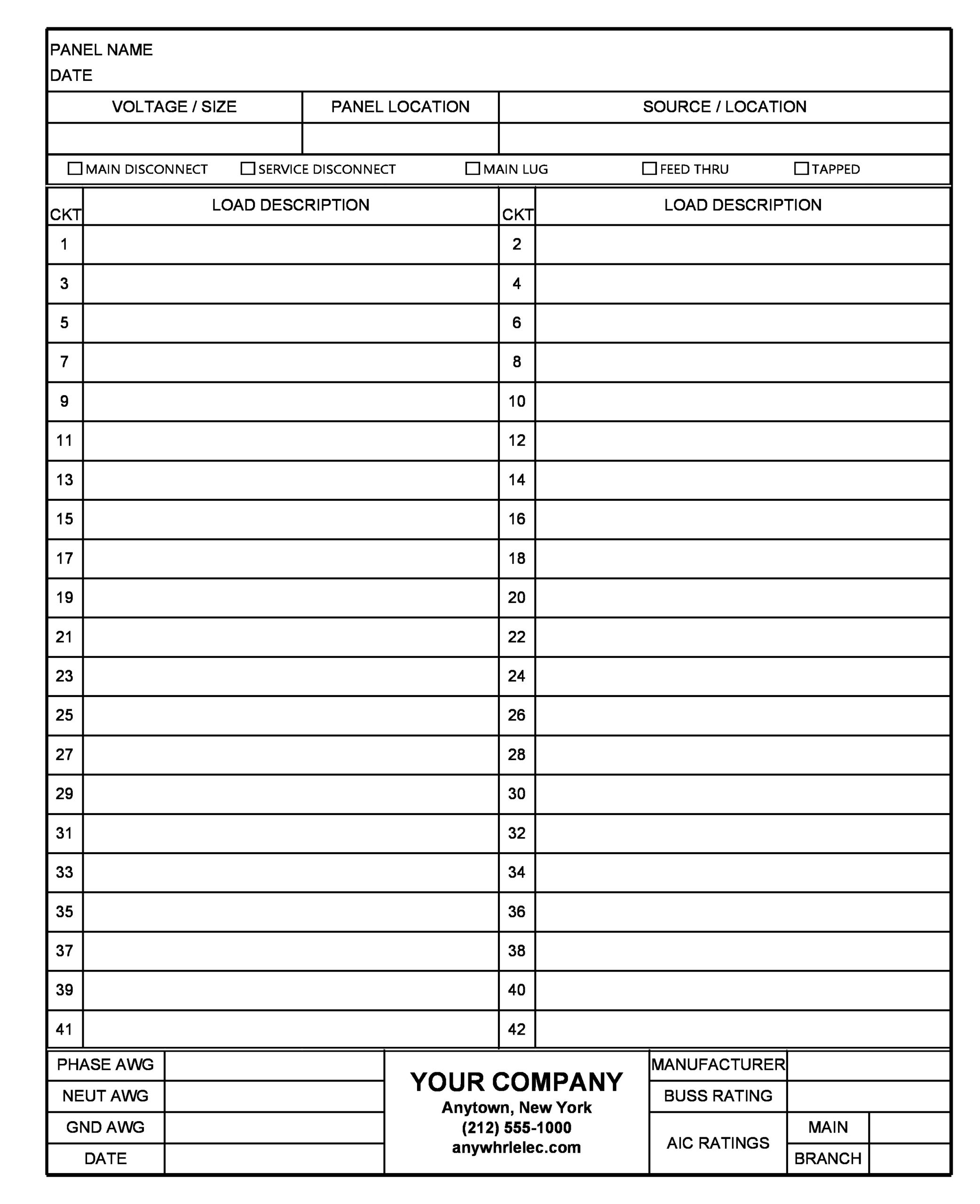
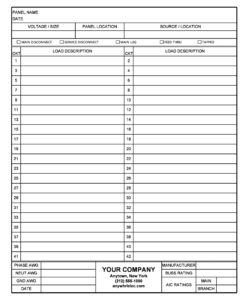
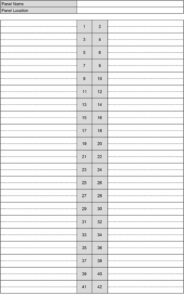
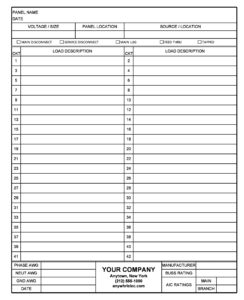
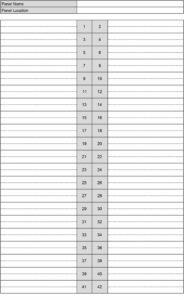
That’s where a well-organized electrical panel schedule comes into play. Think of it as a detailed map for your home’s power grid. It tells you exactly which circuit breaker powers which lights, outlets, and appliances. Having a clear residential electrical panel schedule template can make all the difference, transforming a stressful electrical issue into a quick fix and empowering you with essential knowledge about your home.
Why a Well-Maintained Panel Schedule is Essential for Your Home
Beyond simply avoiding the dark, a detailed electrical panel schedule offers a multitude of benefits that extend to safety, convenience, and even your home’s value. Imagine a scenario where you need to turn off power to a specific room for a quick repair, like replacing an outlet or installing a new light fixture. Without a schedule, you might end up turning off power to half your house, disrupting work or daily activities unnecessarily. A clear schedule ensures you can isolate power precisely and safely.
Safety is paramount when dealing with electricity. Knowing which breaker controls which circuit reduces the risk of electrical shock or damage when performing maintenance or repairs. It helps prevent accidental energization of a circuit you thought was off. This clear organization also aids emergency responders in quickly and safely cutting power to specific areas if there’s a fire or other electrical hazard, protecting both your property and their lives.
From a practical standpoint, a detailed schedule simplifies troubleshooting immensely. If an appliance suddenly stops working or a light flickers, a quick glance at your panel schedule can tell you which breaker to check, narrowing down the potential problem area instantly. This saves you time and often the expense of calling an electrician for what could be a simple tripped breaker. It’s also incredibly helpful for everyday living, especially when moving into a new home and trying to figure out the electrical layout.
Furthermore, an up-to-date electrical panel schedule adds value to your home. When it comes time to sell, prospective buyers appreciate a well-maintained and organized property, and a clear panel schedule is a sign of a diligent homeowner. It speaks volumes about the care put into the home’s essential systems. It also makes future electrical upgrades or renovations much easier for contractors, saving you time and potentially money on their labor.
Key Benefits You’ll Experience
- Enhanced safety awareness for all household members.
- Faster troubleshooting for electrical issues, minimizing downtime.
- Streamlined maintenance and repair work, from DIY to professional.
- Easier electrical upgrades and renovations.
- Increased home value and peace of mind for current and future owners.
Crafting Your Own Residential Electrical Panel Schedule Template
Creating your own residential electrical panel schedule template might seem like a daunting task at first, but it’s surprisingly straightforward and incredibly rewarding. You don’t need to be an electrician to get started. All you really need is a clear head, a pen, some patience, and perhaps a partner to help you identify which devices are connected to which breakers. Begin by gathering any existing, albeit possibly outdated, schedules you might have, and then prepare to systematically test each circuit.
The most effective way to identify what each breaker controls is through a process of elimination. Start by ensuring all breakers are in the “on” position. Then, with a helper in another part of the house, flip one breaker to the “off” position. Your helper can then check various lights and outlets to see what no longer has power. Make sure to test all outlets in a room, including those often hidden behind furniture, and don’t forget hardwired appliances like dishwashers, garbage disposals, and even smoke detectors.
For each circuit you identify, you’ll want to record specific information on your schedule. This should include the breaker number (usually clearly marked on the panel), the amperage of the breaker (e.g., 15A, 20A, 30A), and a clear, concise description of what it controls. For instance, instead of just “bedroom,” specify “Master Bedroom – Lights & Outlets” or “Kitchen – Countertop Outlets & Microwave.” The more detailed you are, the more useful your schedule will be in the long run.
Ultimately, having a solid residential electrical panel schedule template is a game-changer for any homeowner. Once you’ve completed your initial mapping, consider making multiple copies: one taped inside the electrical panel door, another in a household binder, and perhaps a digital version stored on your computer or cloud service. Remember to update your schedule whenever you make electrical modifications or additions to your home. This ongoing maintenance ensures your template remains accurate and continues to serve its purpose effectively.
Taking the time to organize your electrical panel with a clear schedule is an investment in your home’s safety and functionality. It empowers you with valuable knowledge, making you more self-sufficient and prepared for any electrical situation that may arise. This simple organizational step significantly reduces stress and enhances your overall peace of mind regarding your home’s electrical system.
So, don’t put it off any longer. Grab your pen and paper, maybe a flashlight, and start the process of creating your very own, incredibly useful electrical panel schedule. You’ll be glad you did, transforming potential frustrations into manageable tasks and ensuring a safer, more organized home for everyone.