Embarking on a robotic process automation journey can feel like navigating a complex maze, full of exciting possibilities but also potential pitfalls. Many organizations jump into automation with enthusiasm, only to discover that not every process is a good candidate for RPA, leading to wasted resources and dampened spirits. The key to a successful, scalable automation initiative isn’t just about picking the right software; it’s about systematically identifying and evaluating the right processes to automate.
This is where a structured approach becomes indispensable. Having a clear, repeatable method to analyze potential processes for automation drastically increases your chances of success. It helps you prioritize, estimate benefits, foresee challenges, and build a strong business case. Essentially, it’s about working smarter, not just harder, when it comes to transforming your operations.
Why a Robotic Process Automation Assessment Template is Your Guiding Star
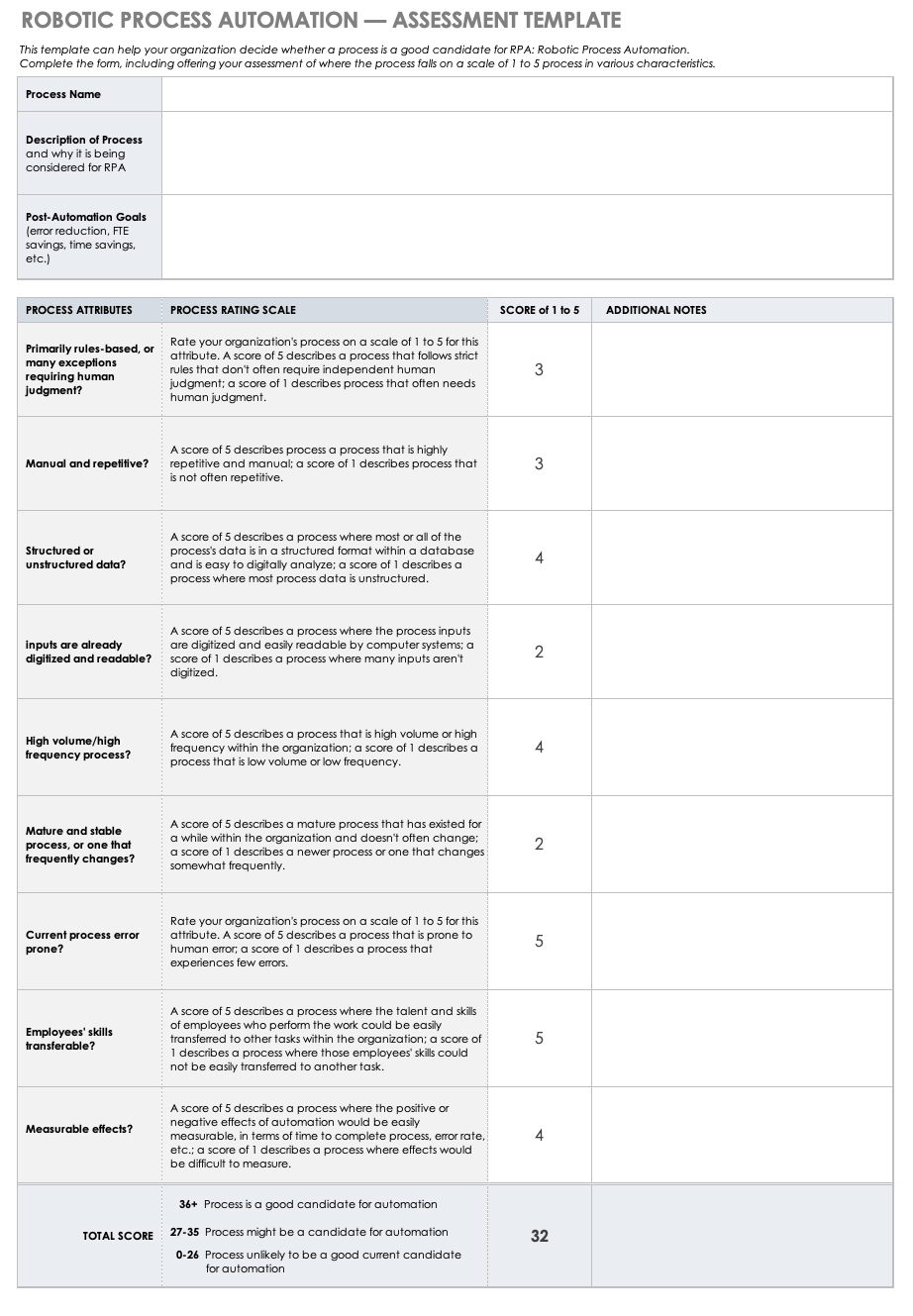
Think of a robotic process automation assessment template as your comprehensive roadmap and checklist for deciding what to automate. It’s not just a fancy document; it’s a critical tool that brings structure, objectivity, and consistency to what can often be a subjective and fragmented decision-making process. Without one, teams might rely on gut feelings or simply automate the "loudest" pain point, which isn’t always the most impactful or suitable choice. A well-designed template ensures that every potential process is evaluated against a standardized set of criteria, leading to more informed and strategic automation decisions. It helps to clarify the actual benefits, identify potential risks early, and ensure alignment with broader business objectives, ultimately paving the way for sustainable RPA growth.
This structured evaluation helps in numerous ways. It enables different stakeholders—from business users to IT professionals—to speak a common language when discussing automation opportunities. By documenting the assessment, you create a transparent record of why certain processes were chosen (or rejected), which is invaluable for governance and future reference. Moreover, it reduces the likelihood of costly reworks or failures down the line, as potential roadblocks are identified and addressed during the assessment phase, not after significant investment has been made. It truly acts as a safeguard, ensuring that your automation efforts yield tangible, positive results.
Key Elements of a Robust RPA Assessment
A comprehensive robotic process automation assessment template usually encompasses several critical categories designed to give a holistic view of a process’s suitability for automation. These elements help you dissect the process from various angles, ensuring no stone is left unturned.
- **Process Suitability:** How rule-based and repetitive is the process? Does it involve structured data inputs and predictable outcomes? The more predictable, the better.
- **Complexity and Stability:** Is the process overly complex with many exceptions, or is it relatively stable with few changes? Highly dynamic processes can be challenging to automate.
- **Data Considerations:** What kind of data does the process handle? Is it sensitive? What are the volumes and formats? Automation thrives on consistent, clean data.
- **Business Impact and Value:** What are the potential benefits of automating this process? Think about cost savings, error reduction, improved efficiency, and enhanced customer satisfaction.
- **Technical Feasibility:** Are the necessary systems accessible? Can a bot interact with them effectively? Are there any specific IT dependencies or limitations?
- **Resource Impact:** How much human effort does the process currently consume? What resources will be freed up by automation?
- **Exception Handling:** How often do exceptions occur, and how are they currently handled? Can these exceptions be codified or managed by the bot?
By systematically scoring or evaluating processes against these criteria, you can develop a clear picture of which opportunities are ripe for automation and which might need further re-engineering or are better left manual for now. It transforms process identification from an art into a science, grounded in data and objective evaluation.
Leveraging Your Template for Optimal Automation Outcomes
Once you have your robotic process automation assessment template ready, the real work of applying it begins. It’s more than just filling in blanks; it’s about fostering a collaborative environment where business users, process owners, and RPA developers work together to thoroughly analyze each potential automation candidate. Start by identifying processes that are generally considered good candidates: those that are high-volume, repetitive, rule-based, and have stable inputs and outputs. Don’t limit yourself to the obvious; sometimes, smaller, less glamorous processes can yield significant benefits when automated. Engage with the people who actually perform the tasks daily; their insights are invaluable for understanding nuances and potential pitfalls.
As you go through each section of the template, be diligent in gathering accurate data. For instance, when assessing business impact, quantify the time saved, the reduction in errors, or the improved compliance, rather than simply stating "it will be better." For technical feasibility, involve your IT team early to identify any integration challenges or system access requirements. A robust template will prompt you to think about these details, ensuring you build a comprehensive profile for each process. This detailed approach minimizes surprises down the line and helps in creating a more accurate business case for investment in RPA.
Prioritization is a crucial next step once several processes have been assessed. Your template should help you score and rank processes based on a combination of factors, such as the effort required for automation versus the potential return on investment. This allows you to create a pipeline of automation projects, ensuring you tackle the "low-hanging fruit" that offers quick wins first, building momentum and demonstrating value, before moving onto more complex initiatives. It’s an iterative process, and the template provides the framework for consistent evaluation and decision-making across all stages of your RPA journey.
Remember, a template is a living document. It should evolve as your organization gains more experience with RPA and as technology advances. Regularly review and refine your robotic process automation assessment template based on lessons learned from deployed bots. What worked well? What aspects did you miss during the assessment that caused issues later? By continuously improving your template, you ensure it remains an effective and relevant tool for driving successful automation and achieving your strategic business objectives.
Adopting a structured methodology for identifying and evaluating automation opportunities isn’t merely a best practice; it’s a fundamental pillar for building a successful and sustainable RPA program. It empowers organizations to make data-driven decisions, mitigate risks, and maximize the return on their automation investments. This strategic approach ensures that every bot deployed contributes meaningfully to business goals, transforming operational efficiencies and freeing up human talent for more valuable, creative work.