Managing a flock of sheep, whether it’s a small hobby farm or a larger commercial operation, involves a significant commitment to animal health. Keeping your flock healthy and productive is paramount, and a crucial tool in achieving this is a well-maintained system for tracking treatments. This is where a robust sheep medicine record template becomes an invaluable asset, ensuring you have a clear, documented history of every intervention. It’s not just about compliance; it’s about smart, proactive animal husbandry that contributes to the well-being of your sheep and the efficiency of your farm.
Proper record-keeping extends beyond simply noting down when a sheep received a dose of medication. It encompasses a comprehensive approach to understanding disease patterns, evaluating treatment effectiveness, and adhering to important regulations regarding veterinary medicines. Without a structured system, vital information can easily be lost or forgotten, leading to potential issues with withdrawal periods, repeat treatments, or even misdiagnosis in the future.
This article will guide you through the essential components of an effective medicine record system for your sheep, highlighting why good documentation is fundamental to modern sheep farming. We’ll explore what makes a template truly useful and how adopting one can streamline your health management practices, ultimately fostering a healthier and more productive flock.
The Indispensable Role of Thorough Medicine Records in Sheep Farming
Maintaining detailed records of all medicine administered to your sheep is not just a recommendation; it’s a cornerstone of responsible and legal animal husbandry. Imagine trying to recall the exact date you last treated a specific ewe for lameness, or remembering the withdrawal period for a particular wormer used across a hundred-strong flock, without anything written down. It would be a near-impossible task, fraught with potential errors that could compromise animal health, food safety, and your farm’s reputation.
One of the most critical reasons for meticulous record-keeping is compliance with veterinary medicine regulations. In many regions, there are strict rules governing the use, storage, and disposal of animal medicines, particularly those administered to food-producing animals. These regulations often require farmers to document every single dose, including the name of the medicine, the date of administration, the animal’s identity, the dose given, and perhaps most importantly, the withdrawal period. Failing to adhere to these requirements can result in significant penalties, not to mention putting consumer health at risk if meat or milk enters the food chain before withdrawal periods are met.
Beyond legal obligations, accurate records provide invaluable insights into your flock’s health history. When a sheep falls ill, having a history of its previous treatments, vaccinations, and any recurring issues can significantly aid your veterinarian in making an accurate diagnosis and prescribing the most effective course of action. It prevents guesswork and ensures that treatments are targeted and appropriate, saving time, money, and potentially an animal’s life.
Furthermore, a well-kept record system allows you to identify patterns and trends within your flock. Are certain diseases more prevalent at specific times of the year? Do particular groups of sheep seem more susceptible to certain conditions? By analyzing your treatment data, you can pinpoint areas where preventive measures might be strengthened, such as adjusting your parasite control program or improving hygiene protocols. This proactive approach can help you prevent outbreaks and reduce overall disease incidence.
Effective medicine record-keeping also plays a vital role in managing your veterinary supplies and budget. By tracking what medicines you use, in what quantities, and how frequently, you gain a clearer picture of your inventory needs. This allows for more efficient purchasing, reduces waste from expired medications, and helps you budget more effectively for veterinary expenses. You can also assess the cost-effectiveness of different treatments over time.
Ultimately, a comprehensive record system contributes directly to the overall health and welfare of your flock. It enables you to make informed decisions, ensuring that your sheep receive timely and appropriate care, minimizing suffering, and promoting strong, healthy growth. It transforms reactive treatment into proactive health management, leading to a more resilient and productive flock.
Building Your Ideal Sheep Medicine Record Template
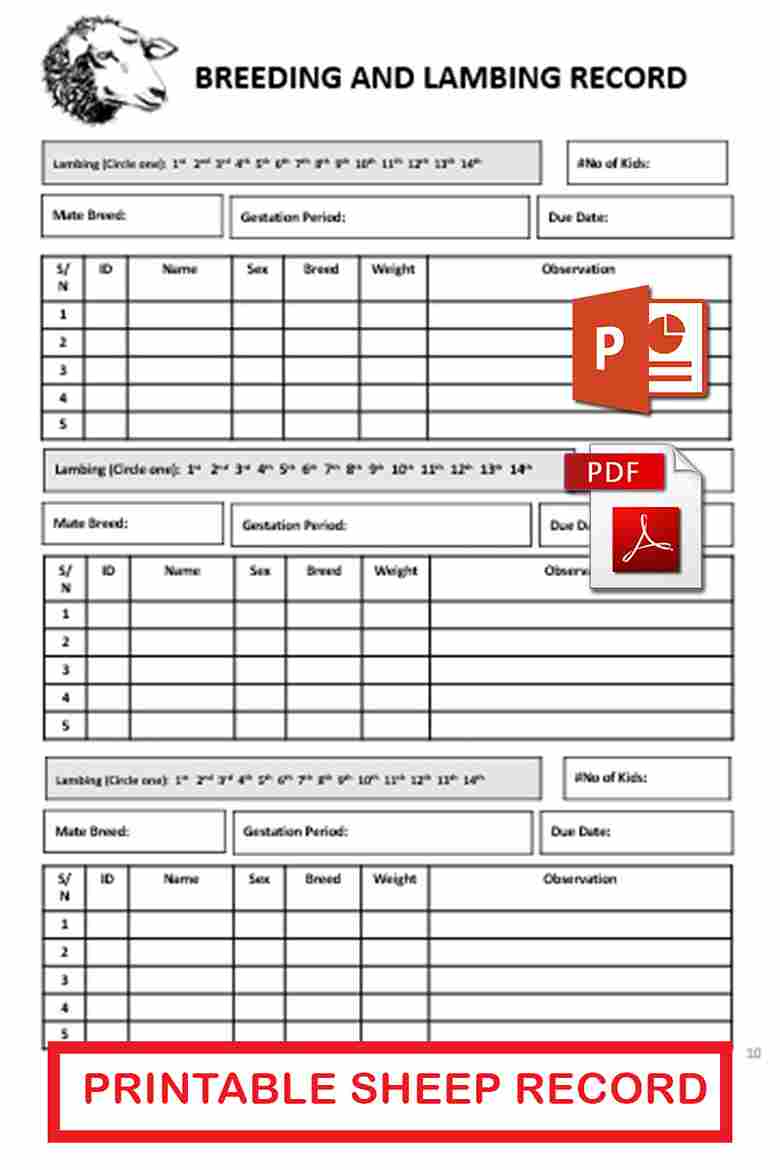
Creating a practical and comprehensive sheep medicine record template doesn’t have to be complicated. The goal is to design a system that captures all necessary information in an easily accessible format. Whether you choose a paper-based binder, a spreadsheet on your computer, or a dedicated farm management app, the core elements remain the same. The key is consistency and ensuring every member of your farm team knows how to use it.
When considering what to include, think about the information you or your vet would need to quickly understand a sheep’s medical history and current treatment status. This often goes beyond just the name of the drug. Details like the route of administration (e.g., oral, injection), the person who administered it, and any adverse reactions are just as important as the medicine itself. A good template acts as a detailed logbook for every single medical interaction within your flock, simplifying audits and ensuring peace of mind.
Including fields that allow for future analysis and decision-making will enhance the template’s value. For instance, noting down the outcome of a treatment or any follow-up actions required can be incredibly beneficial. This forward-thinking approach transforms a simple record into a powerful tool for continuous improvement in your flock health program.
Here are some essential fields to include in your sheep medicine record template:
- Date of Treatment: When the medicine was given.
- Animal ID: Unique identification of the sheep treated (e.g., ear tag number, flock group).
- Medicine Name: The full name of the veterinary product used.
- Active Ingredient: The primary drug component, especially useful for generic options.
- Batch Number: Essential for traceability and recall information.
- Dose Administered: The exact quantity given to the animal.
- Route of Administration: How the medicine was given (e.g., subcutaneous, oral drench).
- Reason for Treatment: Why the animal was treated (e.g., lameness, worming, mastitis).
- Administered By: The person who gave the medicine.
- Withdrawal Period: The specific number of days meat or milk cannot be consumed after treatment.
- Withdrawal End Date: The calculated date when the animal can re-enter the food chain.
- Veterinarian (if applicable): Who prescribed or advised the treatment.
- Notes/Observations: Any additional relevant information, such as adverse reactions, improvement, or follow-up actions.
By diligently filling out your medicine records, you’re not just complying with regulations; you’re building a valuable resource that supports the long-term health and profitability of your sheep enterprise. It empowers you to make data-driven decisions, improve animal welfare, and ensure the safety and quality of any products derived from your flock. Embrace the discipline of thorough record-keeping, and you’ll undoubtedly see the benefits reflected in a healthier, more robust flock and a more efficiently run farm.