Navigating the responsibilities of maintaining a safe environment within your property can sometimes feel like a daunting task, especially when it comes to invisible threats like Legionella bacteria. Many duty holders, whether in commercial buildings, residential properties, or public spaces, are aware of the need for a legionella risk assessment but might be put off by the perceived complexity or cost. The good news is that understanding and managing this risk doesn’t have to be an overwhelming ordeal.
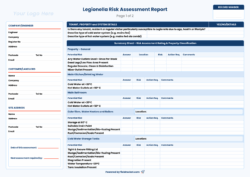
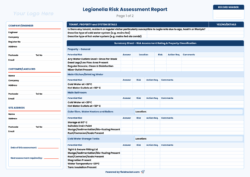
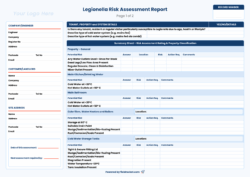
Instead of hiring expensive consultants for every minor check, a pragmatic approach often involves equipping yourself with the right tools. A well-designed simple legionella risk assessment template can demystify the process, breaking it down into manageable steps that anyone with a basic understanding of their property can follow. This allows you to identify potential hazards, implement control measures, and fulfill your legal obligations without unnecessary stress, ensuring the health and safety of occupants and visitors.
Demystifying Legionella: What You Need to Know Before You Assess
Before diving into any assessment, it’s crucial to grasp what Legionella is and why it poses a risk. Legionella bacteria are naturally occurring in freshwater environments. However, they become a health concern when they proliferate in man-made water systems, particularly at temperatures between 20°C and 45°C. When these bacteria are then dispersed in tiny water droplets, or aerosols, and inhaled, they can cause Legionnaires’ disease, a severe form of pneumonia, as well as Pontiac fever and Lochgoilhead fever, collectively known as Legionellosis.
The primary reason for conducting a legionella risk assessment is therefore to identify and manage the conditions that allow this bacteria to multiply and spread. This isn’t just a recommendation; it’s a legal requirement for anyone who manages premises where water is stored or used and where there is a reasonable foreseeable risk of exposure to Legionella. Ignoring this duty can lead to serious health consequences for individuals and significant legal repercussions for the duty holder.
A proactive approach to risk management, guided by a straightforward template, ensures that potential breeding grounds are identified early. Common sources include cooling towers, hot and cold water systems, showers, spa pools, and even decorative fountains. Any system that generates water aerosols could potentially harbor the risk. Understanding these typical locations helps in systematically evaluating your own property’s vulnerabilities.
By using a simple legionella risk assessment template, you’re not just ticking a box; you’re actively engaging in preventative health and safety. It empowers you to take control, ensuring that your water systems are regularly checked and maintained to prevent the proliferation of harmful bacteria. This foundation of knowledge is essential for making informed decisions about your water management strategy.
Putting Your Simple Legionella Risk Assessment Template into Action
Once you understand the ‘why,’ the ‘how’ becomes much clearer. A simple legionella risk assessment template provides a structured framework to carry out the assessment process efficiently. It typically begins with a thorough survey of your water systems. This involves identifying all water sources, storage tanks, pipework, outlets (showers, taps), and any equipment that uses or stores water. Detailed schematics or diagrams of your water system can be incredibly helpful here, along with photographs if possible.
The next critical step is to identify potential hazards. This means looking for conditions that favor Legionella growth. Factors such as water temperature stagnation in unused pipes, presence of scale, rust, sludge, or biofilm, and the potential for water droplets to be generated and inhaled are all key areas of investigation. For instance, hot water not reaching adequately high temperatures or cold water not remaining sufficiently cold in certain areas of the system are common culprits. The template guides you through a systematic check of these elements, ensuring no significant area is overlooked.
Following hazard identification, you’ll move on to evaluating the risks. This involves assessing the likelihood of Legionella growth and the potential for exposure. For each identified hazard, you’ll determine the level of risk – perhaps categorizing it as low, medium, or high. This evaluation helps prioritize which risks need immediate attention and what control measures are most appropriate. For example, a shower head in an infrequently used guest bathroom might present a higher stagnation risk than a regularly used kitchen tap.
Finally, the template will help you document the necessary control measures and a management plan. This could include specific actions like maintaining hot water above 50°C and cold water below 20°C, regular flushing of little-used outlets, cleaning and descaling showerheads, and routine disinfection of water tanks. It also involves establishing a monitoring program to ensure these measures are effective and reviewing the assessment periodically, especially after any significant changes to the water system or property use. This ongoing cycle of assess, control, monitor, and review is crucial for long-term safety.
Implementing a robust legionella management strategy doesn’t need to be overly complicated. By leveraging a straightforward assessment tool, property managers and owners can confidently identify potential risks within their water systems and put effective control measures in place. This proactive approach not only helps in meeting legal responsibilities but, more importantly, plays a vital role in safeguarding public health against Legionnaires’ disease.
Maintaining a safe and healthy environment is an ongoing commitment. Regular reviews of your assessment and consistent application of control measures are key to ensuring that your water systems remain free from dangerous levels of Legionella bacteria. A well-utilized template becomes an invaluable asset in this continuous effort, providing peace of mind for everyone involved.