Running a dental practice involves a lot more than just looking after teeth; it also means creating a safe and healthy environment for both your patients and your staff. One often-overlooked but incredibly important aspect of this is managing the risks associated with water systems, particularly the threat of Legionella bacteria. These bacteria can cause Legionnaires’ disease, a severe form of pneumonia, and it’s a risk that every healthcare setting, including dental practices, must take seriously.

Understanding and mitigating this risk isn’t just good practice; it’s a legal requirement. The good news is that tackling this challenge doesn’t have to be overwhelming. With the right approach and a clear understanding of what’s needed, you can implement effective control measures. This article will help you navigate the essentials of Legionella risk management within your dental practice, ensuring compliance and, most importantly, peace of mind.
Understanding the Need for Legionella Risk Assessments in Dentistry
Dental practices, by their very nature, utilize complex water systems, making them uniquely susceptible to Legionella risks. From the water supplied to dental unit water lines (DUWLs) for drills and rinses, which can create aerosols, to the hot and cold water systems in staff rooms and patient bathrooms, there are multiple points where Legionella bacteria could potentially multiply if not properly managed. Patients, particularly those with compromised immune systems, and staff are all at potential risk, highlighting the critical need for vigilance.
The Health and Safety Executive (HSE) in the UK, through its Approved Code of Practice (ACoP L8) and HSG274 guidance, mandates that all employers and those in control of premises, including dental practice owners, must identify and assess the risks of exposure to Legionella bacteria from water systems and take suitable precautions. This isn’t a suggestion; it’s a legal duty to protect individuals from the risks of Legionella. Failing to comply can lead to serious legal consequences and, more importantly, put lives at risk.
A comprehensive Legionella risk assessment isn’t just about ticking a box; it’s the foundation of your entire control strategy. It involves a thorough examination of your water systems, identifying potential hazards, and determining the level of risk they pose. This assessment helps you understand where the vulnerabilities lie and what measures need to be put in place to mitigate them effectively. It’s a proactive step to ensure your water systems are safe.
Key Areas to Consider in a Dental Practice Legionella Risk Assessment
- Dental unit water lines (DUWLs) and associated equipment, including handpieces and ultrasonic scalers.
- Hot and cold water systems, including storage tanks, calorifiers, and all outlets like taps and showers.
- Infrequently used water outlets that could lead to stagnation.
- Water filters and any other water treatment devices.
- Any decorative water features or humidifiers within the practice.
- The incoming mains water supply and its quality.
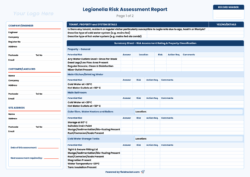
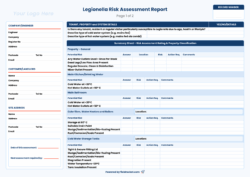
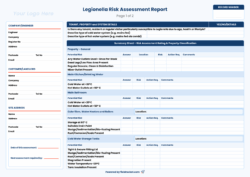
Having a structured approach, perhaps guided by a robust dental practice legionella risk assessment template, can simplify this complex process. Such a template ensures that no critical area is overlooked, guiding you through the systematic identification of risks and the documentation of your findings and proposed control measures.
Practical Steps to Implement Your Legionella Control Strategy
Once your Legionella risk assessment is complete, the next crucial step is to develop and implement a robust control scheme. This scheme outlines the specific actions and measures you will take to manage and reduce the identified risks. It’s a living document that should evolve with your practice and any changes to your water systems. This isn’t a one-off task; it requires ongoing commitment and regular review to remain effective.
Effective management involves more than just initial setup; it’s about continuous monitoring and maintenance. This includes regular temperature checks of hot and cold water systems to ensure they are operating within safe parameters (e.g., hot water stored above 60°C and distributed above 50°C, cold water kept below 20°C). It also means implementing flushing regimes for seldom-used outlets and ensuring that any water storage tanks are kept clean and free from sediment.
Training your staff is another cornerstone of a successful control strategy. Everyone who interacts with the water system, or who is responsible for monitoring, needs to understand the risks of Legionella and their role in preventing its spread. This includes understanding flushing procedures, how to record monitoring data, and what to do if an issue arises. Good record-keeping is also essential, providing a clear audit trail of all your assessments, monitoring activities, and any remedial actions taken.
Here are some essential elements to include in your ongoing control scheme:
- Regular temperature monitoring of hot and cold water outlets and storage points.
- Implementing a flushing regime for all dental unit water lines and any infrequently used taps.
- Conducting periodic cleaning and disinfection of dental unit water lines according to manufacturer guidelines.
- Maintaining and descaling calorifiers, water heaters, and water storage tanks as required.
- Ensuring that the Legionella risk assessment is reviewed regularly (at least every two years, or sooner if there are significant changes to the water system or premises).
- Providing clear and documented training for all relevant staff on Legionella awareness and control procedures.
By diligently following these practical steps and leveraging the insights gained from your initial assessment, perhaps structured by a comprehensive dental practice legionella risk assessment template, you can maintain a safe water environment. This proactive management significantly reduces the risk of Legionella outbreaks and ensures your practice remains compliant with health and safety regulations.
Ultimately, ensuring the safety of your water systems for Legionella is a continuous journey, not a destination. Regular reviews of your risk assessment and control measures are vital to adapt to any changes in your practice’s operations or water infrastructure. This proactive and vigilant approach safeguards the health of your patients and staff, and reinforces your practice’s commitment to high standards of care and operational excellence. By integrating these essential practices into your daily routines, you create a safer environment for everyone who walks through your doors, building trust and providing peace of mind.