Navigating the electrical panel in your home can sometimes feel like trying to read a secret code. Wires going in every direction, breakers lined up, and often, no clear indication of what each one controls. This common scenario can lead to frustration when a light goes out or you need to switch off power to a specific area for maintenance. Understanding and organizing your electrical system is not just about convenience; it is a crucial aspect of home safety and efficient management.

That’s where a properly filled out single phase panel schedule template becomes an invaluable tool. Imagine having a clear, concise map of your entire electrical setup, detailing exactly which breaker controls which outlet, light fixture, or appliance. This simple document transforms a potentially confusing electrical panel into an organized, user-friendly system, benefiting everyone from the homeowner to the professional electrician.
What Exactly Is a Panel Schedule?
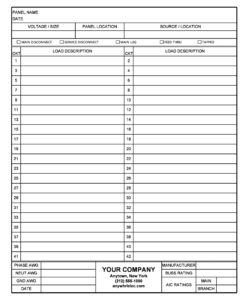
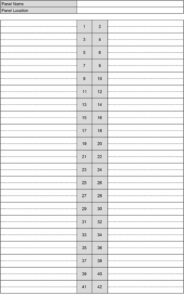
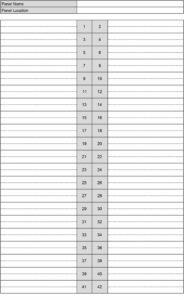
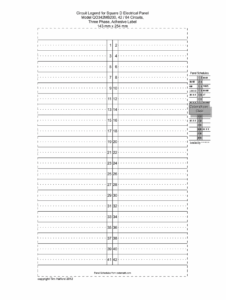
At its core, a panel schedule is a detailed inventory of the circuits originating from an electrical panel. Think of it as a meticulously organized ledger that lists every single breaker, its associated circuit number, the load it serves (like “kitchen outlets” or “bedroom lights”), and often, the amperage rating of the breaker itself. For residential applications, particularly those powered by the utility grid, a single phase panel schedule is the most common and relevant type, designed specifically for the two hot wires and one neutral wire configuration typically found in homes.
The purpose of this schedule goes far beyond mere documentation. It is a critical safety feature, allowing you or an electrician to quickly identify and isolate power to specific areas, preventing accidental shocks or damage during repairs. Without a clear schedule, attempting to troubleshoot an electrical issue or perform maintenance could involve a lot of trial and error, potentially risking your safety or the integrity of your home’s electrical system. It helps to avoid the dangerous guessing game of flipping breakers until you find the right one.
Furthermore, a well-maintained panel schedule aids in energy management and future planning. By knowing what each circuit serves, you can better understand your power consumption and make informed decisions about adding new appliances or undertaking renovations. It provides a foundational understanding of your home’s electrical capacity and distribution, making any future electrical work simpler, safer, and more cost-effective.
Why a Comprehensive Template Matters
A generic sticky note or a handwritten list taped inside the panel door might suffice for some, but a comprehensive single phase panel schedule template ensures all vital information is captured in a standardized, easy-to-read format. This standardization is key for clarity, especially if multiple people might need to reference it. It ensures that no critical detail is overlooked, from circuit numbers to the specific room or appliance serviced, and even details like the wire gauge or voltage if necessary for complex circuits.
Creating Your Own Single Phase Panel Schedule Template
The process of creating or updating a panel schedule might seem daunting at first, but it is a straightforward task that yields significant benefits. You can start with a simple spreadsheet, a printable template found online, or even specialized software. The key is to be methodical and thorough. Before you begin, ensure you have a reliable flashlight, a pen, paper (or your chosen template), and if you’re comfortable and knowledgeable, a non-contact voltage tester for an added layer of safety. Always prioritize safety, and if you’re unsure, consult a qualified electrician.
Begin by identifying your main electrical panel. Inside the door, there might already be a faded or partially completed schedule. Even if there is, it’s often outdated. The most effective way to accurately map your circuits is to have someone stationed at the panel while another person walks through the house, systematically testing outlets, lights, and appliances. As each item loses power, the person at the panel notes the corresponding breaker number and its function. It’s a process of elimination that ensures every circuit is accounted for.
As you go through each room, meticulously describe what each circuit controls. Instead of just “lights,” specify “kitchen ceiling lights” or “master bedroom wall outlets.” This level of detail is invaluable. For larger appliances like ovens, air conditioning units, or water heaters, these often have dedicated, higher-amperage breakers. Make sure to note these as well, including their specific amperage if possible, as these are critical loads.
Once you’ve completed your survey, transfer all the gathered information into your chosen single phase panel schedule template. Keep a copy prominently displayed near the electrical panel itself and consider having a digital backup. Remember, this document is dynamic; any changes to your home’s electrical system, whether adding new circuits or reconfiguring existing ones, necessitate an update to your panel schedule. Maintaining its accuracy ensures its continued usefulness and reliability for years to come.
Having a clear and up-to-date schedule for your electrical panel is a fundamental step toward a safer and more manageable home environment. It empowers you with critical knowledge about your electrical system, reducing guesswork and enhancing your ability to respond effectively to electrical needs. This essential document not only provides immediate benefits for troubleshooting and maintenance but also serves as a long-term asset, contributing to the overall safety and value of your property.