Navigating the complexities of workplace safety and project management often feels like a constant balancing act. Every new project, task, or even a change in location brings its own unique set of potential hazards. While general safety guidelines are a good starting point, they rarely cover the specific nuances and environmental factors that can truly impact safety at a particular site. This is where the crucial process of site specific risk assessment comes into play, ensuring that all unique dangers are identified and managed effectively.
Trying to build a comprehensive risk assessment from scratch for every single new scenario can be incredibly time-consuming and prone to overlooking critical details. This challenge highlights the immense value of a structured approach. A well-designed site specific risk assessment template provides that much-needed framework, guiding you through the systematic identification, evaluation, and control of risks pertinent to your exact operational environment. It’s about being proactive, not just reactive, in safeguarding your team and your operations.
Understanding the Core Elements of a Site Specific Risk Assessment
A site specific risk assessment is fundamentally about tailoring your safety approach to the unique characteristics of a particular location or project. Unlike a generic risk assessment that covers common hazards, a site-specific one delves deep into the immediate environment, the specific tasks being performed, the equipment involved, and the people present. This thoroughness ensures that nothing is left to chance, considering everything from the ground conditions and access points to the specific tools and materials that will be used. It’s an essential step in preventing incidents and ensuring compliance with health and safety regulations.
The initial phase of any robust assessment involves clearly defining the scope. What exactly are you assessing? Is it a new construction site, a maintenance job in an existing facility, or a specific task within a larger operation? Once the scope is clear, gather all relevant information about the site. This could include site plans, previous incident reports, environmental data, and any specific client or regulatory requirements. Understanding the context before diving into hazards makes the entire process more effective and ensures your site specific risk assessment template is populated with accurate, relevant data.
Next comes the systematic identification of hazards. This isn’t just about obvious dangers like falling objects or exposed wiring; it also includes less apparent risks such as ergonomic issues, chemical exposures, environmental factors like extreme weather, or even psychological stresses related to the work. Once hazards are identified, they need to be analyzed to determine the likelihood of harm occurring and the severity of that harm. This risk ranking helps prioritize which risks need immediate attention and which can be managed with standard controls.
Key Sections to Include in Your Template
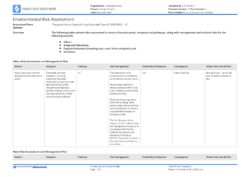
- Project and Site Details: Comprehensive information like project name, location, date of assessment, and the name of the assessor.
- Site Description: A detailed overview of the site, including its layout, access routes, utilities, ground conditions, and any specific environmental factors.
- Hazard Identification: A thorough list of all potential sources of harm, categorized for clarity (e.g., physical, chemical, biological, ergonomic, psychosocial).
- Risk Analysis and Evaluation: For each identified hazard, assess the likelihood of it causing harm and the potential severity of that harm. This often involves a matrix or scoring system.
- Existing Control Measures: Document any controls already in place to mitigate the identified risks.
- Recommended Control Measures: Detail any additional actions or controls needed to further reduce the risk to an acceptable level. This could include engineering controls, administrative controls, or personal protective equipment (PPE).
- Residual Risk: Re-evaluate the risk level after the proposed control measures have been implemented. This should ideally be lower than the initial risk.
- Action Plan: Clearly outline who is responsible for implementing each control measure, what specific actions need to be taken, and by when.
- Review and Sign-off: Dates for periodic reviews of the assessment and signatures from relevant parties, indicating their understanding and agreement.
Finally, the most crucial part of any assessment is the implementation of control measures. Once you’ve identified risks and evaluated their potential impact, you must establish effective ways to eliminate or reduce them. This follows a hierarchy of controls, starting with elimination, then substitution, engineering controls, administrative controls, and finally, personal protective equipment. Documenting these measures and assigning responsibility for their implementation and monitoring ensures accountability and significantly reduces the potential for incidents.
Implementing and Maximizing Your Site Specific Risk Assessment Template
Having a robust site specific risk assessment template is an excellent foundation, but its true value comes from its effective implementation. It’s not merely a document to be filled out once and then filed away; it’s a dynamic tool that should inform daily operations and safety decisions. The process of filling out the template should be a thoughtful exercise, prompting critical thinking about potential scenarios and developing proactive solutions. This requires more than just ticking boxes; it demands a deep understanding of the work being performed and the environment in which it takes place.
A key aspect of successful implementation involves collaboration. The individuals closest to the work often have the best insights into potential hazards and practical control measures. Therefore, engaging workers, supervisors, and other relevant stakeholders in the risk assessment process is vital. Their input can uncover risks that might otherwise be overlooked by someone less familiar with the day-to-day tasks. This collaborative approach not only leads to a more comprehensive assessment but also fosters a stronger safety culture, as everyone feels invested in the outcomes.
Furthermore, a risk assessment is never truly “finished.” Sites and project conditions can change, new equipment might be introduced, or different personnel could come on board. Therefore, regular review and updates of your site specific risk assessment template are paramount. Schedule periodic reviews, especially before new phases of a project, after any incidents or near misses, or if there are significant changes to the work environment or procedures. This ensures the assessment remains relevant and effective, reflecting the current realities on the ground.
Effectively utilizing your template also involves proper communication and training. Once an assessment is complete and control measures are identified, it’s essential that everyone involved understands the risks and their individual responsibilities in mitigating them. This might involve safety briefings, toolbox talks, or specific training sessions related to the identified hazards and controls. Ensuring clarity in communication empowers your team to work safely and follow established protocols, reinforcing the entire risk management process and enhancing the overall safety performance of your operations.
Embracing a systematic approach to risk management, supported by a well-designed framework, empowers organizations to proactively address safety challenges. It fosters an environment where potential problems are identified and mitigated before they can escalate, leading to fewer incidents, reduced operational disruptions, and ultimately, a safer working environment for everyone involved. Investing time in thorough planning and continuous review of your safety protocols is a commitment to the well-being of your team and the success of your projects.