When it comes to nurturing young athletes, we often focus intensely on training drills, practice times, and game strategies. But there’s a silent MVP that often gets overlooked, yet plays an absolutely critical role in performance and recovery: nutrition. It’s easy to grab whatever is convenient, but for growing bodies pushing their limits, those spontaneous choices might not be providing the sustained energy or muscle repair they truly need. Without proper fuel, even the most talented player can find their energy levels flagging and their focus wavering.

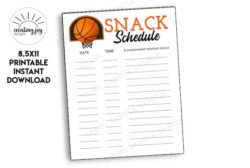
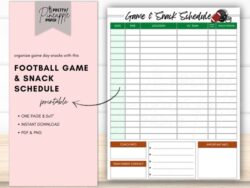
That’s where a little planning can make a world of difference. Imagine knowing exactly what healthy, energy-boosting snack to pack, and when your athlete should be eating it, without any last-minute scramble or guesswork. This isn’t just about avoiding hunger pangs; it’s about optimizing performance, speeding up recovery, and instilling good habits. A well-thought-out snack schedule template for sports can transform haphazard eating into a strategic fueling plan, setting your athlete up for success both on and off the field.
Why a Strategic Snack Schedule is a Game-Changer for Young Athletes
Creating a deliberate snack schedule isn’t just about ticking a box; it’s about providing consistent, high-quality fuel that directly impacts an athlete’s ability to perform, recover, and grow. Young athletes are constantly expending energy, not just during their sport but also in their daily lives and growth spurts. Without a steady supply of nutrients, they risk hitting a wall, feeling fatigued, or even increasing their susceptibility to injuries. A well-planned schedule prevents these energy dips by ensuring they receive the right fuel at optimal times, sustaining their focus and physical output throughout practices and games.
Moreover, spontaneous or unplanned snacking often defaults to convenient but less nutritious options, which might provide a quick sugar rush but quickly lead to a crash. These choices rarely offer the complex carbohydrates, lean proteins, and healthy fats essential for long-term energy, muscle repair, and overall well-being. By following a strategic approach, you’re not just providing food; you’re providing the building blocks for strength, endurance, and resilience, which are all vital components for any athlete striving for improvement.
Understanding Pre- and Post-Workout Fueling
The timing of snacks is almost as important as the snacks themselves. Pre-workout snacks are designed to top off energy stores, providing readily available fuel without causing stomach discomfort. They should be easy to digest, primarily carbohydrate-based, and relatively low in fat and fiber right before activity. Post-workout snacks, on the other hand, are crucial for recovery, aiming to replenish glycogen stores and provide protein for muscle repair and growth. This window of opportunity after exercise is when the body is most receptive to nutrient uptake.
Consider these examples for optimal timing:
Implementing a snack schedule also fosters discipline and a greater understanding of how food impacts performance. Athletes who learn to fuel their bodies strategically are better equipped to listen to their hunger cues and make informed choices, developing lifelong healthy habits. This consistent fueling ensures they are always ready to give their best, maximizing their potential on the field or court.
Crafting Your Personalized Snack Schedule: Tips and Tools
Building an effective snack schedule for your athlete really comes down to understanding their unique needs. Every athlete is different; their age, the intensity and duration of their sport, and even their individual metabolism play a role in how much and what kind of fuel they need. A soccer player practicing for two hours might have different requirements than a swimmer with multiple daily sessions. Take the time to observe their energy levels and performance, and don’t be afraid to adjust the schedule as their training demands change or they grow. What works perfectly one season might need tweaking for the next.
The key to a successful snack is balance. Aim for a mix of complex carbohydrates for sustained energy, a lean protein source for muscle repair, and a small amount of healthy fats for overall health. Avoiding overly processed foods and excessive sugar is generally a good rule of thumb. Think about whole foods that offer a variety of nutrients rather than just empty calories. This balanced approach helps keep blood sugar stable, prevents energy crashes, and supports all the body’s functions, not just athletic performance.
Making the snack schedule easy to stick to is paramount. This means choosing snacks that are portable, require minimal preparation, and are appealing to your athlete. Involving your athlete in the decision-making process can significantly increase their buy-in and compliance. Let them choose from a selection of healthy options, or help them prepare their own snacks.
Here are some ideas to make snack prep and consumption simpler:
Ultimately, a well-designed snack schedule template for sports acts as a valuable guide, simplifying the complex world of sports nutrition. It removes the guesswork and ensures that your athlete is consistently receiving the nourishment they need to excel. Remember, this template is a starting point; feel free to customize it to perfectly fit your athlete’s individual taste, activity level, and schedule, making it a sustainable and enjoyable part of their athletic journey.
Implementing a thoughtful snack schedule is more than just providing food; it’s an investment in your athlete’s performance, health, and overall well-being. By consistently fueling their bodies with nutritious choices at the right times, you’re empowering them to maintain optimal energy, recover effectively, and reach their full potential in their chosen sport. It’s a foundational element that supports their hard work and dedication.
Embracing this proactive approach to nutrition helps young athletes develop a positive relationship with food, understanding its power to fuel their passions. It creates a seamless integration of healthy habits into their demanding routine, ensuring they feel strong, focused, and ready to tackle any challenge that comes their way, both on and off the playing field.