Navigating the complexities of social services means constantly striving to provide the most effective and personalized support possible. Before any intervention or support plan can be truly impactful, understanding the unique circumstances, challenges, and strengths of an individual, family, or community is absolutely crucial. This is where a thorough needs assessment comes into play, acting as the foundational step in building a bridge between current situations and desired outcomes.
Imagine trying to build a house without blueprints; it would be chaotic, inefficient, and likely wouldn’t meet anyone’s actual requirements. Similarly, delivering social services without a clear understanding of needs can lead to misdirected efforts and missed opportunities. That’s why having a well-designed, comprehensive social services needs assessment template is not just helpful, it’s essential for ensuring resources are allocated effectively and services truly hit the mark. It streamlines the data collection process, ensures consistency, and ultimately empowers practitioners to make informed decisions.
What Makes a Great Social Services Needs Assessment Template?
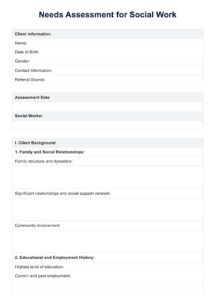
A truly effective needs assessment template goes beyond just gathering basic information. It’s a carefully constructed tool designed to paint a holistic picture of an individual’s or community’s situation, encompassing not only their deficits but also their inherent strengths and existing support networks. The best templates are comprehensive yet flexible, allowing for both standardization and the nuanced exploration of unique circumstances. They serve as a guide for productive conversations, ensuring that no critical area is overlooked during the intake or assessment process.
At its core, a robust template begins with collecting essential demographic and contact information, ensuring that communication channels are clear from the outset. However, it quickly moves into more substantive areas, exploring the presenting issues or reasons for seeking services in detail. This involves understanding the client’s own perception of their situation, which is often the most valuable insight. It delves into their current living situation, employment status, financial stability, health, and any existing legal or safety concerns.
Key Components to Include
When you are putting together or selecting your social services needs assessment template, think about the key areas that directly impact a person’s well-being and their ability to thrive. These aren’t just checkboxes; they are conversation starters that help uncover the full story.
- Demographic Information: Basic details like name, age, gender, ethnicity, contact information, and preferred language.
- Presenting Issue: A clear statement of why the individual is seeking services and what they hope to achieve.
- Current Situation Overview: Details about housing stability, employment status, income sources, educational background, and family composition.
- Health and Well-being: Physical and mental health status, disabilities, substance use history, and access to healthcare.
- Safety and Risk Factors: Any immediate safety concerns, history of abuse or neglect, legal issues, or exposure to violence.
- Strengths and Resources: Identifying existing support networks, personal skills, hobbies, community involvement, and other protective factors.
- Goals and Preferences: What the individual wants to achieve, their priorities, and their preferences regarding support services.
Beyond these structured components, a great template also allows space for open-ended questions and narrative responses. This is where the human element truly shines, enabling practitioners to capture the depth and nuance that checkboxes simply cannot convey. It encourages active listening and helps to build rapport, which is fundamental to successful intervention. Finally, it should include sections for action planning and follow-up, ensuring that the assessment directly translates into tangible next steps for support.
Implementing and Adapting Your Needs Assessment
Once you have a fantastic social services needs assessment template in hand, the real work begins with its thoughtful implementation. It is not just a form to be filled out; it is a dynamic tool that should guide your interactions and evolve with your practice. Training staff on how to use the template effectively, not just as a data collection tool but as a framework for empathetic and comprehensive dialogue, is absolutely paramount. They need to understand the ‘why’ behind each question and how the gathered information will inform service delivery and client advocacy.
A common pitfall is treating the needs assessment as a one-time event. In reality, needs can change rapidly due to various life circumstances. Therefore, the implementation strategy should include provisions for periodic reassessment or updates, particularly when there are significant life events, changes in client goals, or a long-term service engagement. This ensures that support plans remain relevant and responsive to the client’s current situation, rather than being based on outdated information.
Furthermore, consider how technology can enhance your needs assessment process. Digital templates can offer greater efficiency, improve data security, and facilitate easier analysis of trends across your client base, without compromising the personal touch. Integrating the template into a case management system can create a seamless flow of information, reducing duplication of effort and ensuring that all team members have access to the most up-to-date client profile. This approach empowers your organization to be both highly effective and highly organized.
Ultimately, the goal is to make your social services needs assessment template a living document, a tool that adapts and improves with experience. Regularly reviewing the template itself, based on feedback from both clients and staff, can reveal areas for refinement. Perhaps a question consistently causes confusion, or a new challenge emerges in the community that needs to be addressed. By continually refining your template, you ensure it remains a powerful instrument for understanding and addressing the evolving needs of those you serve, directly contributing to more impactful and client-centered care.
Utilizing a well-crafted and thoughtfully implemented needs assessment is truly a cornerstone of effective social service provision. It moves beyond guesswork, empowering practitioners with the insights needed to create targeted, relevant, and ultimately more successful support plans for individuals and communities alike. This structured approach not only benefits clients by providing them with the right resources at the right time but also strengthens organizations by improving efficiency and accountability.
By consistently applying such a framework, social service providers can ensure that every interaction is meaningful, every intervention is informed, and every effort contributes positively to the well-being and empowerment of those they serve. It builds a foundation of understanding that fosters trust and paves the way for truly transformative support.