In the complex world of software development, where deadlines loom and expectations are high, understanding and mitigating potential pitfalls before they become full-blown crises is absolutely essential. We’ve all been there, launching a new feature or application only to discover unforeseen issues that could have been identified earlier. This is precisely where the power of a well-executed risk assessment comes into play, especially within the testing phase, which acts as the final gatekeeper for quality.
Proactive risk management isn’t just a buzzword; it’s a critical strategy that enables teams to prioritize their efforts, allocate resources wisely, and ultimately deliver more robust and reliable software. By systematically identifying, analyzing, and responding to risks, you transform potential weaknesses into areas of strength. This article delves into how a structured approach, utilizing a specialized software testing risk assessment template, can dramatically improve your project outcomes and the overall quality of your delivered products.
Understanding the Core Components of Risk Assessment in Testing
At its heart, risk in software testing is about understanding what might go wrong, how likely it is to happen, and what the consequences would be if it does. It’s not about being pessimistic; it’s about being prepared. A risk might be anything from a critical bug slipping through to a test environment failure delaying the entire release. Identifying these potential issues early allows teams to focus their testing efforts where they are most needed, ensuring that the most impactful risks are addressed first.
To effectively assess risks, we typically consider two main dimensions: likelihood and impact. Likelihood refers to the probability of a risk event occurring. Is it a rare, once-in-a-blue-moon possibility, or something that happens frequently? Impact, on the other hand, measures the severity of the consequences if the risk materializes. Would it cause a minor inconvenience, a significant financial loss, or a complete system failure? By evaluating these two factors, we can begin to prioritize which risks demand our immediate attention and which can be managed with less urgency.
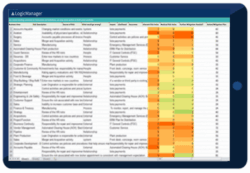
Visualizing these risks often involves a risk matrix, a simple yet powerful tool that plots likelihood against impact. This matrix helps teams quickly see which risks fall into the “high priority” quadrant, demanding immediate mitigation strategies, and which are in the “low priority” area, perhaps needing only to be monitored. This visual aid makes complex risk data digestible and facilitates informed decision-making across the project team. It’s about making sure everyone is on the same page regarding potential threats to the project’s success.
Furthermore, risk assessment is not a one-time event but an ongoing process throughout the software development lifecycle. Risks can emerge, evolve, or even disappear as a project progresses. Regular reviews of your risk register and adapting your strategies are vital to maintaining an accurate and effective risk management plan. This iterative approach ensures that your team remains agile and responsive to changing circumstances, continuously safeguarding the project against unforeseen challenges.
Key Elements to Include in Your Template
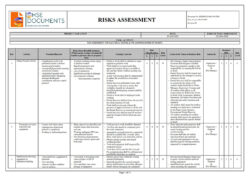
- Risk ID and Description: A unique identifier and a clear, concise explanation of the potential risk.
- Risk Category: Classify the risk (e.g., functional, performance, security, usability, environmental, resource).
- Likelihood (Probability): A rating (e.g., Low, Medium, High or a numerical scale 1-5) indicating how probable the risk is to occur.
- Impact (Severity): A rating (e.g., Low, Medium, High, Critical or a numerical scale 1-5) indicating the severity of consequences if the risk occurs.
- Risk Score/Priority: A calculated value (often Likelihood x Impact) to objectively prioritize risks.
- Mitigation Strategy: Specific actions planned to reduce the likelihood or impact of the risk.
- Contingency Plan: Actions to be taken if the risk materializes despite mitigation efforts.
- Risk Owner: The individual or team responsible for monitoring and managing the specific risk.
- Status: The current state of the risk (e.g., Open, In Progress, Closed, Monitored).
- Date Identified and Last Reviewed: Timestamps to track the risk’s lifecycle.
Practical Steps to Implement Your Software Testing Risk Assessment Template
Having a robust software testing risk assessment template is an excellent starting point, but its true value lies in its effective implementation. It’s not enough to simply fill out a form; it’s about fostering a culture of proactive risk management throughout your development and testing cycles. The process should be collaborative, involving various stakeholders from developers and testers to project managers and business analysts, ensuring a comprehensive view of potential challenges.
The journey begins with identifying potential risks. This initial phase involves brainstorming sessions, reviewing requirements and design documents, analyzing historical data from previous projects, and leveraging the expertise of team members. Think about all the things that could go wrong with the software itself, the testing process, the environment, or even external dependencies. A structured template guides this discussion, prompting teams to consider various angles and ensure no stone is left unturned.
Once a list of potential risks has been compiled, the next step is to analyze and prioritize them. Using the scales defined in your software testing risk assessment template, each identified risk is assessed for its likelihood and impact. This quantitative or qualitative assessment helps to generate a risk score, which then dictates its priority. Focusing on the highest-priority risks first ensures that your team’s valuable time and resources are directed towards the areas that pose the greatest threat to your project’s success and the software’s quality.
Finally, with risks identified and prioritized, the team must develop mitigation strategies and, where necessary, contingency plans. Mitigation involves taking proactive steps to either reduce the probability of a risk occurring or lessen its impact if it does. This could mean adding more specific test cases, investing in performance testing tools, or clarifying ambiguous requirements. Contingency plans are your backup strategies, outlining what actions to take if a risk materializes despite your best efforts. Regular monitoring and review of your risk register are crucial to ensure that strategies remain relevant and effective throughout the project’s duration.
By embracing a systematic approach to risk management in testing, you are not merely reacting to problems but actively shaping the future of your software project. It empowers teams to make informed decisions, allocate resources strategically, and build confidence in the quality of their deliverables. This disciplined method ultimately leads to more predictable project outcomes, reduced costs associated with late-stage defect discovery, and a higher standard of software that truly meets user expectations. It’s about building a foundation of quality and reliability from the ground up, ensuring a smoother journey from concept to deployment.