We’ve all been there: the end of a high-energy game or practice, kids are tired, hungry, and thirsty. Parents are scrambling, trying to remember whose turn it is for snacks, or maybe two families brought treats, while others forgot entirely. It can feel like a small but significant source of chaos on an otherwise fun and unifying sports day. Ensuring every child gets the right fuel at the right time is important not just for their energy levels, but also for their mood and overall team experience.

This common game-day dilemma doesn’t have to be a recurring problem. With a little organization and foresight, you can turn snack time from a stressful oversight into a smooth, anticipated part of the team routine. That’s where a clear and effective sports team snack schedule template comes in handy. It takes the guesswork out of the equation, ensuring everyone knows their role and the team is always well-nourished and ready for action.
Why a Snack Schedule is a Game Changer for Your Team
Implementing a dedicated snack schedule might seem like a small detail, but its impact on team morale, parent stress levels, and even player performance is huge. Think about it: no more last-minute grocery store dashes, no more awkward conversations about who forgot, and definitely no more relying on just one or two overly organized parents to shoulder the burden. It distributes responsibility fairly and makes the whole team operation feel much more professional and cared for.
Beyond the organizational benefits, a well-planned schedule ensures consistency in what the kids are eating and drinking. We’ve all seen the post-game sugar rush from too many treats, followed by an inevitable crash. A schedule allows you to gently guide parents towards healthier, more appropriate options that truly refuel young athletes, rather than just providing empty calories. It’s about sustaining energy and promoting healthy habits from the sidelines.
Moreover, having a clear plan reduces anxiety for everyone involved. Parents know exactly when their turn is coming, what kind of snacks are generally preferred or prohibited (especially important for allergies), and they can plan their grocery shopping accordingly. This level of predictability fosters a sense of community and shared responsibility, making every parent feel like a valued contributor to the team’s success. It transforms what could be a minor logistical headache into a simple, shared task that enhances the overall team experience.
Ultimately, a good snack schedule is about supporting our young athletes both on and off the field. It’s about more than just food; it’s about demonstrating care, fostering teamwork among parents, and ensuring the kids have everything they need to perform their best and enjoy their sport to the fullest. A little planning here goes a very long way in creating a positive environment for everyone.
Key Elements to Include in Your Template
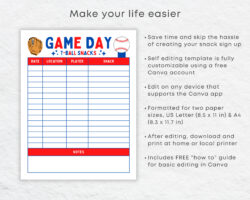
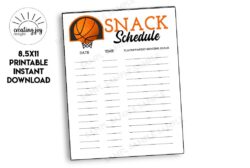
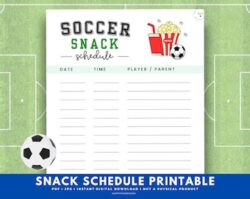
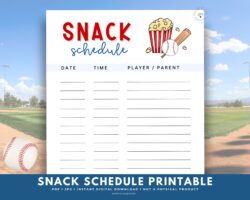
- Game or Practice Dates and Times
- Volunteer Name or Family Responsible
- Suggested Snack Type or Guidelines
- Important Allergy Notes or Restrictions
- Reminder Section for Contact Information
Having these core components clearly laid out in your sports team snack schedule template makes it incredibly easy for anyone to understand and follow. It removes ambiguity and sets clear expectations, which is the foundation of any successful team effort.
Crafting Your Perfect Sports Team Snack Schedule Template
Getting started with your own snack schedule doesn’t have to be complicated. The first step is usually gathering all the necessary information, which includes a complete roster of team members and their parents’ contact details. Once you have that, you can begin to assign dates. Consider creating a rotating schedule that cycles through the parents, ensuring everyone gets a fair turn and no one family feels continuously burdened. It is also helpful to establish a communication channel, like a team chat or email list, where the schedule can be easily shared and accessed by everyone.
When it comes to the actual snacks, focusing on hydration and replenishment is key. Water is always the best choice for drinks, and you might suggest options like individual juice boxes diluted with water if kids prefer something flavored. For food, think about things that are easy to eat, not too messy, and provide good energy. Fruit like orange slices, bananas, and grapes are always winners. Whole-grain crackers with cheese sticks, or individual bags of pretzels, can also be great choices that offer sustained energy.
It is absolutely crucial to be mindful of allergies. Before finalizing any schedule or snack suggestions, collect information on all team members’ allergies and dietary restrictions. This might mean having a designated “allergy-free” snack provider or simply ensuring all snacks brought are free of common allergens like nuts. Clearly marking these restrictions on your sports team snack schedule template will serve as a constant reminder for every parent who is bringing snacks. Communication and awareness here are not just helpful, they are vital for the children’s safety.
Consider making your schedule dynamic, allowing for adjustments if a game is canceled or a parent needs to swap dates. Flexibility is a great asset in managing any team activity. You might even include a small section for “snack tips” within the template itself, reminding parents about healthy choices, portion sizes, and the importance of things like individual packaging for hygiene and ease of distribution. This proactive guidance can make a world of difference in the quality of snacks provided throughout the season.
No more stressing over who brings what or whether the kids will have the energy they need after a tough game. By taking a proactive approach and implementing a clear, easy-to-follow snack schedule, you’re not just organizing food; you’re building a more cohesive, supported, and energized team. This simple tool will empower parents, fuel your players, and ultimately contribute to a more enjoyable and successful season for everyone involved. Here’s to well-fed athletes and happy, less-stressed parents all season long.