Life as a stay-at-home mom is a beautiful whirlwind, isn’t it? One minute you’re enjoying a quiet coffee, the next you’re navigating a snack request, a diaper change, and a sudden desire to finger paint – all before 9 AM. While the love and laughter are abundant, the days can often feel like a chaotic dance without a clear rhythm. It’s easy to get swept up in the demands, feeling like you’re constantly reacting instead of proactively guiding your family’s day.
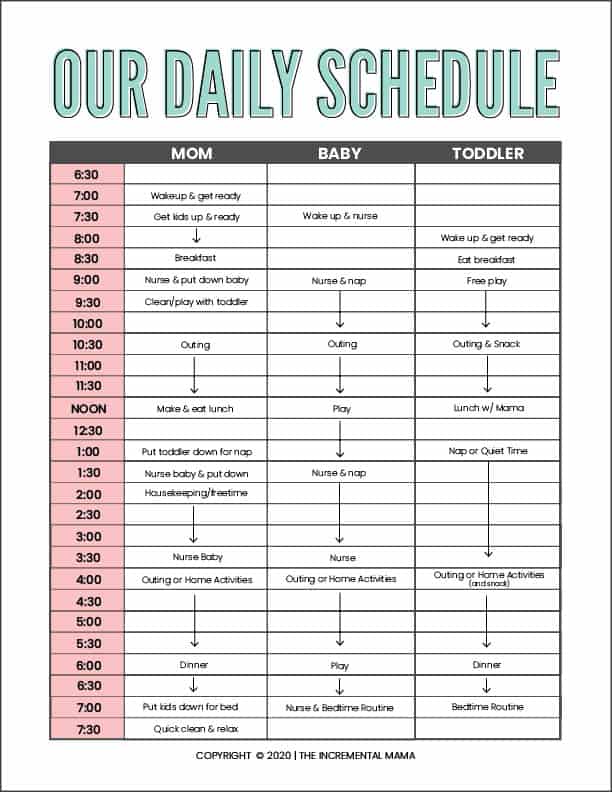
Many moms find themselves wishing for a little more structure, a way to weave in everything from educational play to household chores, and perhaps even a moment for themselves, without feeling overwhelmed. That’s where the magic of a well-thought-out schedule comes in. It’s not about rigid adherence, but about creating a framework that brings a sense of calm, purpose, and predictability to your home. Let’s explore how you can design a daily flow that truly works for you and your unique family.
Crafting Your Ideal Daily Flow
When it comes to creating a schedule for your stay-at-home mom life, remember that there’s no single perfect blueprint. What works wonders for one family might be completely impractical for another. Your ideal daily flow needs to be a reflection of your children’s ages, their individual needs, your personal energy levels, and your family’s unique rhythm. It’s a deeply personal project, so grab a pen and paper – or open a digital document – and start thinking about what your days truly look like, and what you wish they could be.
A great starting point is to identify your non-negotiables. These are the fixed points in your day that aren’t flexible. This might include school drop-off and pick-up times, dedicated nap or quiet times for younger children, set meal times, or even a specific morning routine that helps everyone start the day on the right foot. Once these anchors are in place, you can begin to weave in the more flexible activities around them, creating pockets of time for different types of engagement and tasks.
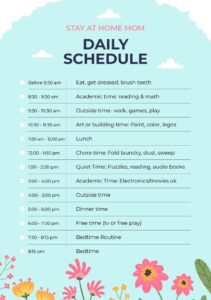
Thinking about your day in blocks can be incredibly helpful. Instead of a minute-by-minute breakdown, consider broader themes for different parts of the day. This allows for flexibility within those blocks, so if a spontaneous play opportunity arises, you can embrace it without feeling like you’ve derailed your entire day. Here’s a general framework you might consider adapting:
Morning Magic
- Wake up and personal quiet time (if possible)
- Breakfast and getting ready
- Morning chores/tidy-up together
- Structured play or learning activity
Midday Momentum
- Outdoor play or park visit
- Lunch preparation and eating
- Nap time for little ones/Quiet time for older kids (and mom!)
- Independent play
Afternoon Adventures & Evening Calm
- Snack time
- Errands or creative play
- Dinner preparation and family meal
- Evening tidy-up and wind-down routine
- Bedtime stories and lights out
The beauty of this block system is its adaptability. If your child is sick, or if you simply need a slower day, you can adjust the activities within each block without abandoning the entire structure. The goal is to provide a sense of order and progression through the day, making sure that important tasks and cherished activities are consistently given their space, rather than being squeezed in haphazardly.
Making Your Schedule Stick and Thrive
Creating a wonderful stay at home mom schedule template is only half the battle; the real victory comes in implementing it and making it a sustainable part of your daily life. It’s easy to get excited about a new plan, only to find yourself struggling to stick to it after a few days. The trick is to be realistic and compassionate with yourself. Don’t aim for perfection from day one. Instead, focus on consistency and gentle adjustments, celebrating small wins along the way.
One effective strategy is to make your schedule visible. Whether you prefer a physical whiteboard in the kitchen, a brightly colored printout on the fridge, or a digital calendar shared with your family, having a visual reminder of the day’s flow can be incredibly helpful. For younger children, using pictures or simple icons next to activities can help them understand what’s coming next, fostering a sense of predictability and reducing meltdowns associated with transitions. This visual cue acts as a gentle guide for everyone, keeping you all on track without constant verbal reminders.
Involving your family in the process, even in small ways, can significantly increase adherence. For older children, discuss the schedule and explain the benefits of having a routine. They might even have ideas for activities they’d like to include or chores they’d like to take responsibility for. For toddlers, simple statements like “After we eat lunch, it’s time for quiet play” help them anticipate the next step, making transitions smoother. When everyone feels a sense of ownership, the schedule transforms from a mom-imposed rule to a shared family rhythm.
Perhaps the most crucial element for any stay-at-home mom schedule template to thrive is the inclusion of self-care. It’s tempting to fill every moment with child-related activities or household tasks, but neglecting your own needs is a recipe for burnout. Whether it’s 15 minutes of quiet reading during naptime, a quick walk around the block, or an hour dedicated to a hobby in the evening, carving out this personal time is non-negotiable. Remember, you can’t pour from an empty cup, and a refreshed mom makes for a happier, more harmonious home. Prioritize these moments just as you would any other important activity.
Finally, treat your schedule as a living document, not a stone tablet. What works beautifully one month might need tweaking the next, especially as children grow and develop new needs and interests. Be open to reviewing and adjusting your daily flow regularly. Perhaps a new baby arrives, a child starts preschool, or you discover a new hobby that requires some dedicated time. Flexibility is key to long-term success. The goal isn’t to be a slave to your schedule, but for your schedule to serve you, bringing more peace, productivity, and joy into your bustling stay-at-home mom life.
Embracing a structured approach to your days can truly transform the atmosphere of your home. It’s a powerful tool that allows you to move from feeling reactive to feeling in control, knowing that you’ve intentionally carved out time for what truly matters to your family. This sense of purpose and predictability can reduce stress, create more opportunities for quality time, and ensure that both chores and cherished moments find their rightful place.
So, take that first step. Experiment, observe, and don’t be afraid to adjust until you find a rhythm that resonates deeply with you and your loved ones. The journey of creating a harmonious home life is an ongoing one, and a thoughtful schedule is simply a wonderful companion guiding you through the adventure of motherhood.