Embarking on the journey to conquer the USMLE Step 1 exam is a monumental task, and one of the biggest challenges isn’t just the sheer volume of information, but how to effectively organize your time. Many students find themselves overwhelmed, staring at a mountain of resources and unsure where to begin. The good news is, you don’t have to navigate this complex path alone; with a well-thought-out plan, you can transform that mountain into a series of manageable hills.
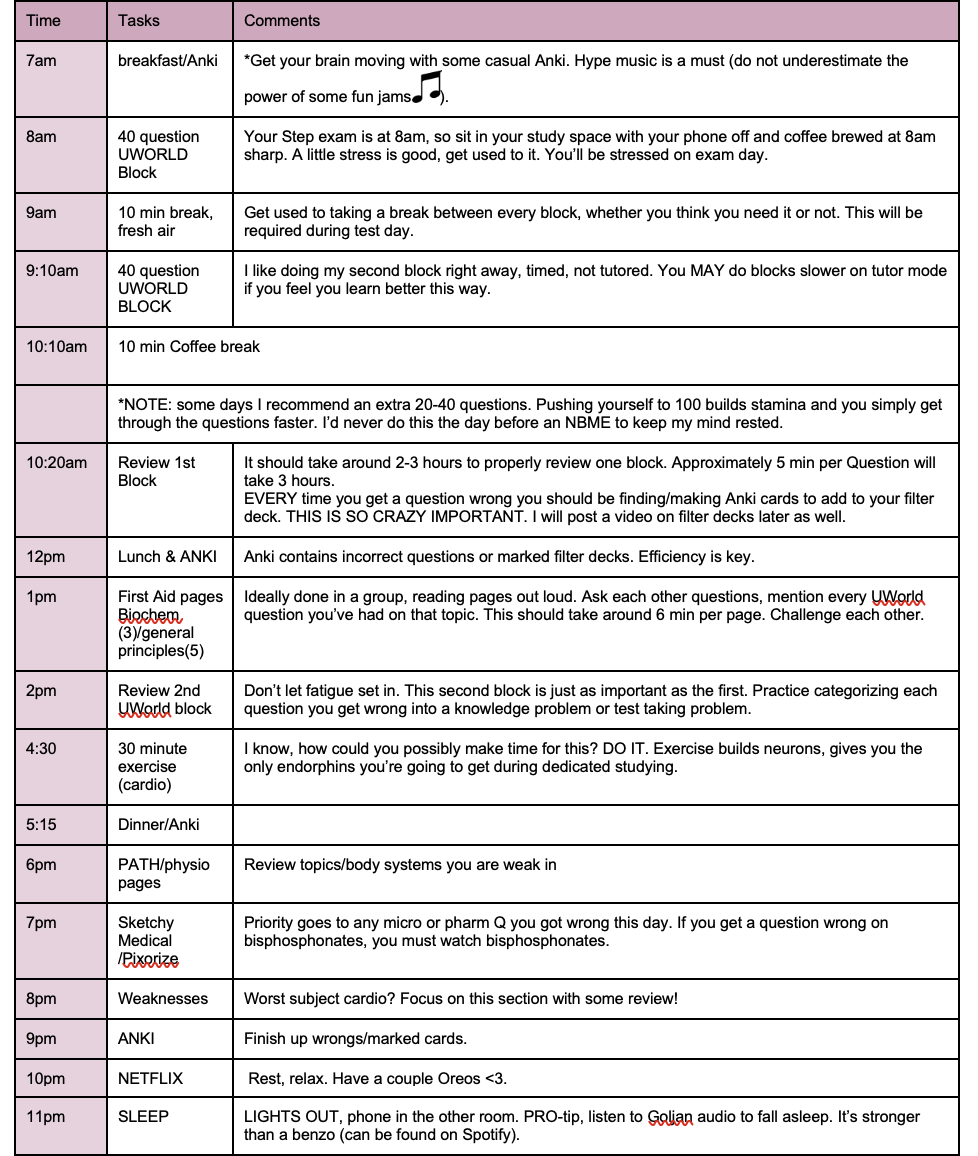
Creating a structured study plan is absolutely essential for success. It provides clarity, reduces anxiety, and ensures you cover all the high-yield topics effectively. While there’s no one-size-fits-all solution, developing a personalized step 1 study schedule template will be your most valuable tool. This article will guide you through the process of building, implementing, and adapting your study strategy to maximize your performance and minimize stress during this crucial period.
Building Your Foundation: Components of an Effective Study Plan
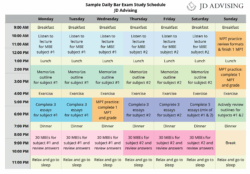
Designing a robust study schedule isn’t just about allocating hours; it’s about strategically integrating different learning modalities and ensuring consistent progress. Think of your study plan as a blueprint for success, where each component plays a vital role in reinforcing your knowledge and improving recall. Before you even start filling in specific topics, it’s crucial to understand the types of activities that should occupy your daily and weekly blocks.
Your learning style, current knowledge base, and the amount of dedicated time you have will all influence the specifics, but the core elements remain universal. You’ll need dedicated time for content review, practice questions, spaced repetition, and perhaps most importantly, breaks. Neglecting any of these can lead to burnout or ineffective learning. It’s a delicate balance that requires thoughtful consideration and self-awareness.
One of the biggest mistakes students make is passively reviewing material without active engagement. Simply reading textbooks or watching videos isn’t enough to solidify complex concepts for long-term retention. Your schedule must prioritize active learning strategies that force your brain to retrieve and apply information, such as doing practice questions or using flashcards.
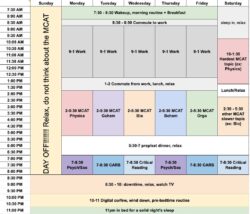
Consider the typical flow of a day or week. You might dedicate mornings to new content acquisition, afternoons to active recall and practice questions, and evenings for review or catching up. This segmented approach helps prevent cognitive overload and allows your brain to process information more efficiently. Remember, consistency is far more powerful than sporadic cramming sessions.
Key Elements to Include in Your Study Schedule
- Content Review: Allocating specific blocks for reviewing high-yield resources like Pathoma, Sketchy Medical, and First Aid.
- Question Banks: Incorporating daily UWorld blocks, both timed and untimed, with thorough review of explanations.
- Spaced Repetition: Dedicating time to Anki or similar flashcard systems for long-term memory retention.
- Self-Assessment Exams: Scheduling NBME or UWorld self-assessments periodically to track progress and identify weaknesses.
- Breaks and Wellness: Including regular short breaks, meal times, exercise, and sufficient sleep to prevent burnout.
- Catch-up/Flex Time: Setting aside buffer time each week to review challenging topics or accommodate unexpected delays.
Implementing and Adapting Your Personalized Study Strategy
Once you’ve crafted your step 1 study schedule template, the real work begins: putting it into action. This phase requires discipline, self-monitoring, and a willingness to adapt. It’s highly unlikely that your initial plan will be perfect from day one, and that’s perfectly normal. The beauty of having a template is that it provides a framework that you can adjust and refine as you gain more insight into your learning pace and areas of strength and weakness.
Start by committing to your schedule for at least a week or two. Pay close attention to how much material you’re realistically able to cover in your allocated time slots. Are you finishing your UWorld blocks as planned? Is your content review taking longer than expected? Are you finding yourself too exhausted to focus by late afternoon? These observations are crucial for making informed adjustments.
Flexibility is paramount. Life happens, and there will be days when you can’t stick to your schedule exactly. Don’t view these deviations as failures, but rather as opportunities to practice resilience and problem-solving. Having a buffer day or segment built into your weekly plan can be incredibly helpful for catching up or simply taking a much-needed mental health break without derailing your entire strategy.
Moreover, as you progress through your dedicated study period, your needs will change. Early on, you might focus more on content acquisition, while closer to the exam, the emphasis will shift heavily towards practice questions and high-yield review. Regularly reassess your progress with self-assessment exams to pinpoint areas that require more attention, and then adjust your schedule to reflect those priorities. This iterative process of plan, execute, assess, and adapt is what ultimately leads to success.
Embarking on your USMLE Step 1 preparation with a clear, well-structured study plan is not just about organizing tasks; it’s about taking control of your learning journey. This proactive approach significantly reduces anxiety and empowers you to approach the exam with confidence. Remember, the journey is long, but with consistent effort and a smart strategy, you are well on your way to achieving your goals.
By diligently following your personalized schedule, staying flexible, and prioritizing both your academic and personal well-being, you’ll build the strong foundation necessary for success. This preparation phase is a marathon, not a sprint, and a well-thought-out plan ensures you conserve energy, maintain focus, and cross the finish line successfully.