Ah, summer! The very word conjures images of sunshine, popsicles, and endless days. For kids, it’s a break from school routines, a time for freedom and adventure. For parents, however, the open-ended nature of summer can sometimes feel less like a break and more like a never-ending quest to keep everyone entertained, productive, and, most importantly, happy. Without a clear plan, those long, golden days can quickly devolve into too much screen time, constant “I’m bored” complaints, and a general sense of chaos.
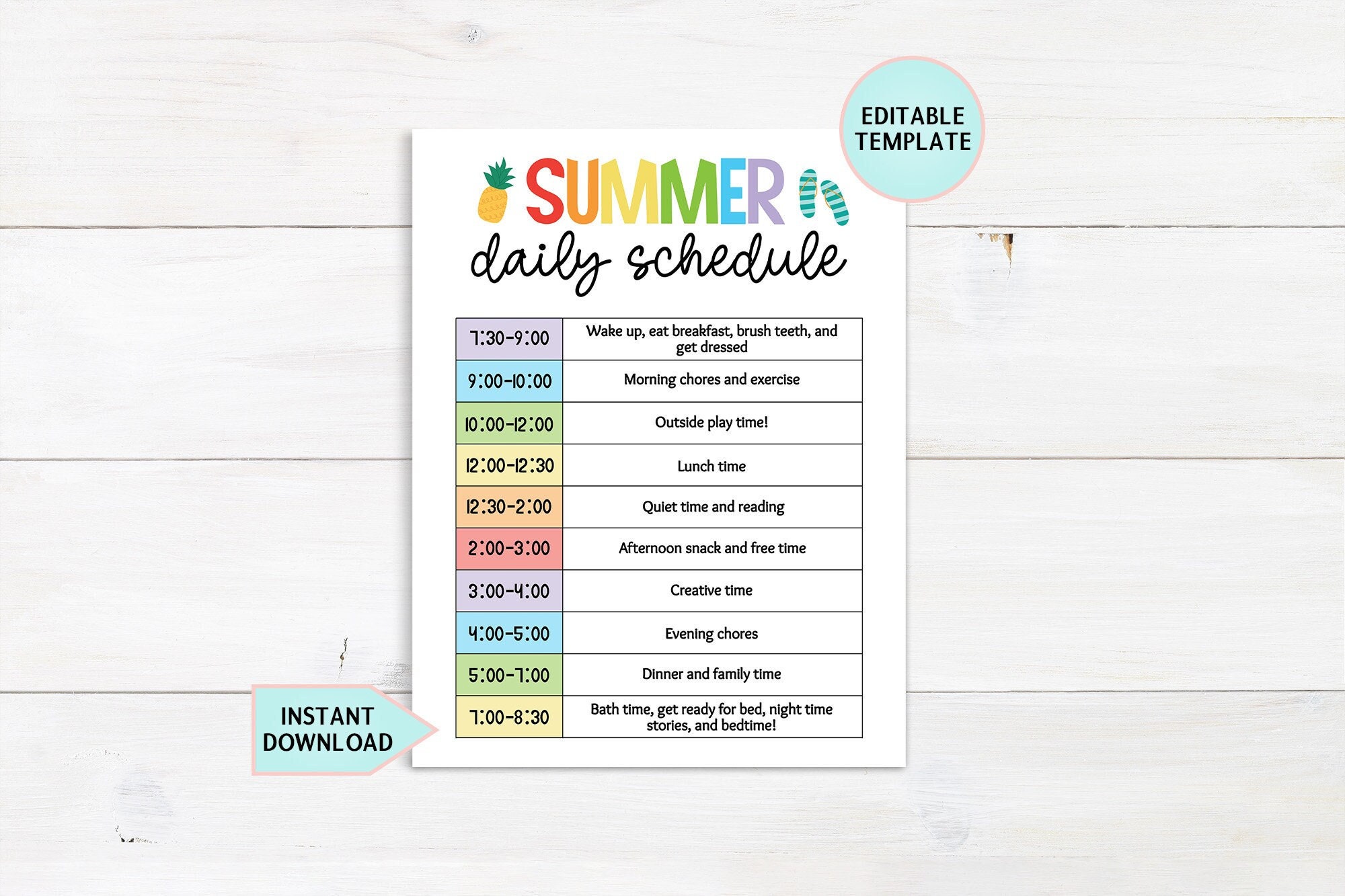
That’s where a little bit of structure comes in, not to stifle the joy of summer, but to amplify it. Creating a framework for the day can transform potential meltdowns into memorable moments, ensuring a healthy balance of fun, learning, and relaxation. It’s about designing a summer where both kids and parents thrive, and the secret weapon to achieving this harmonious balance often lies in a well-thought-out summer schedule template for kids.
Why a Summer Schedule is Your Sanity Saver
Summer days, while wonderful, can also be deceptively challenging. Without the school bell dictating wake-up times and activity changes, children can quickly lose their internal rhythm. This often leads to erratic sleep patterns, increased squabbles, and a reliance on passive entertainment like video games or TV, which leaves everyone feeling a bit sluggish and unfulfilled. A structured schedule helps prevent these common pitfalls by providing a predictable flow to the day, offering comfort and security to children who thrive on routine, and a much-needed mental break for parents.
Beyond simply avoiding the negatives, a good summer schedule actively promotes positive development. When kids know what to expect next, they’re often more cooperative and less anxious. This predictability fosters independence as they can anticipate transitions and take initiative in their daily tasks. It also carves out intentional time for learning through play, creative expression, and exploring new interests, ensuring their minds stay engaged even when school is out.
For parents, the benefits are equally profound. A schedule acts as a silent mediator, reducing the need for constant nagging about chores or reminding about activity changes. It frees up mental space, allowing you to be more present and less stressed. Knowing that specific blocks of time are designated for quiet play or independent activities means you can plan your own work, errands, or even just enjoy a cup of coffee in peace. It’s about setting boundaries that ultimately create more freedom for everyone.
It’s important to remember that a summer schedule isn’t about creating a rigid, military-style itinerary. Instead, think of it as a flexible framework, a gentle guide that helps you navigate the season with intention. It allows for spontaneity while still ensuring essential activities and quiet times are woven into the fabric of the day. This balance is key to a truly enjoyable summer for the whole family.
Key Benefits of a Structured Summer
- Reduces “I’m bored” complaints by providing engaging options.
- Balances screen time with active play and outdoor adventures.
- Encourages new learning and hobbies, keeping minds sharp.
- Provides predictable routines for sensitive children who thrive on consistency.
- Gives parents much-needed breaks and time for personal tasks.
- Fosters independence as children learn to manage their own time within the framework.
Crafting Your Perfect Summer Schedule Template for Kids
Now that we understand the ‘why,’ let’s dive into the ‘how.’ Creating your own summer schedule template for kids doesn’t have to be complicated. The goal is to build a rhythm that suits your family’s unique needs and personality, not to replicate a school day. Start by thinking about the key categories of activities you want to include: learning, active play, creative time, quiet time, chores, and, of course, plenty of free time.
A good starting point is to divide the day into broad blocks: morning, midday, and afternoon/evening. Within these blocks, you can allocate specific types of activities. For example, mornings might be best for more focused activities like reading or a planned outing before the heat of the day sets in. Afternoons could be for creative play, outdoor adventures, or designated screen time. Evenings are often best for winding down with family time, dinner, and bedtime routines.
Involving your children in the scheduling process can significantly increase their buy-in and cooperation. Let them contribute ideas for activities they’d like to do, within reason. Giving them a sense of ownership over the schedule empowers them and makes them more likely to stick to it. Remember, flexibility is paramount. Life happens, and some days will inevitably deviate from the plan. That’s perfectly fine; the schedule is a tool, not a dictator.
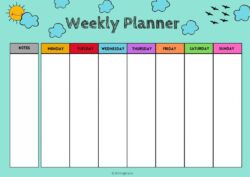
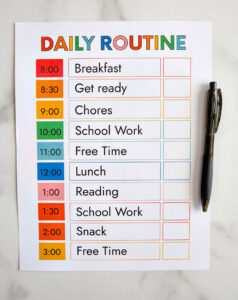
Consider using visual aids, especially for younger children. A colorful chart with pictures representing different activities can make the schedule easier to understand and follow. You can even make it a fun family project to design and decorate your personalized summer schedule template for kids. Hang it in a prominent place, like the kitchen or a playroom, where everyone can easily see it and refer to it throughout the day.
When filling in your schedule, don’t forget to include those essential daily tasks. Chores, personal hygiene, and meal times are crucial for maintaining order and teaching responsibility. But also, ensure there are generous blocks of unstructured free play. Children learn so much through self-directed play, problem-solving, and imaginative exploration. A balanced schedule allows for both purposeful activities and the vital freedom to just be kids.
- Morning Routine: Wake up, breakfast, getting ready.
- Learning Adventures: Reading, educational games, journaling, skill practice.
- Active Fun: Outdoor play, biking, swimming, park visits, sports.
- Creative Zone: Arts and crafts, building with blocks, music, imaginative play.
- Quiet Time: Puzzles, independent reading, rest, sensory play.
- Helpful Hands: Age-appropriate chores and responsibilities.
- Screen Time: Designated periods with clear limits.
- Family Connections: Board games, movie nights, shared meals.
- Wind-Down: Bedtime routine, stories, preparing for the next day.
The beauty of a customizable summer schedule template for kids is its adaptability. Start with a basic framework, try it out for a week or two, and then adjust as needed. Some days you might need more quiet time, other days more outdoor activity. The key is to find what works best for your family to create a summer that feels both joyful and manageable.
Embracing a flexible summer schedule can truly transform your family’s experience of these precious months. It’s a powerful tool to foster independence, minimize conflicts, and maximize the fun and learning opportunities that summer brings. Instead of dreading the endless days, you can look forward to a season filled with purpose, laughter, and cherished memories, knowing you have a gentle guide to keep things flowing smoothly.
So, take a deep breath, gather your family, and envision the ideal summer you want to create. With a thoughtful approach to planning and a willingness to adapt, you’re well on your way to crafting a summer that is not only enjoyable but also incredibly enriching for everyone involved, making the most of every sun-drenched moment.