Navigating daily life can often feel like a series of unpredictable events, and for individuals with autism, this can be especially challenging. Routines, transitions, and understanding what comes next are crucial elements that can significantly impact their comfort and ability to engage with their environment. Without clear expectations, anxiety can easily escalate, making simple tasks overwhelming and leading to difficulties for everyone involved.
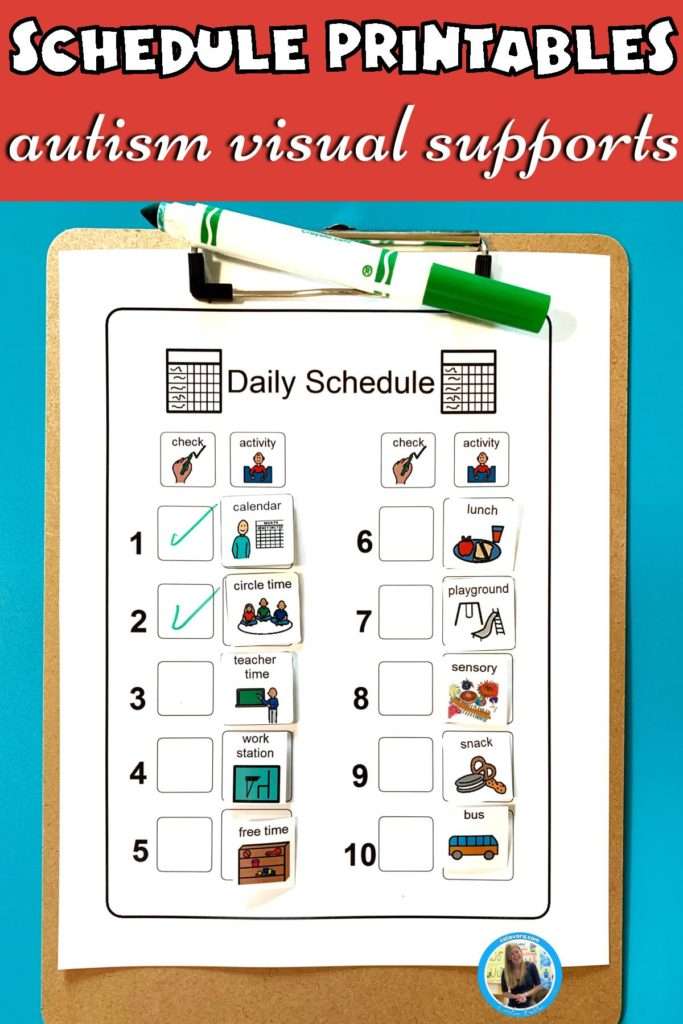
This is where the incredible value of a structured approach comes into play. A well-designed visual schedule can serve as a reliable guide, offering a sense of predictability and control. While creating such a tool from scratch might seem daunting, utilizing a visual schedule template for autism simplifies the process, making it accessible for parents, educators, and caregivers to implement this powerful support system effectively.
Understanding the Power of Visual Schedules for Autistic Individuals
Visual schedules are more than just a list of tasks; they are a fundamental communication tool that caters directly to the learning strengths of many autistic individuals. Because many people with autism process information visually more effectively than auditorily, seeing what is expected next can reduce confusion and provide a tangible representation of the day’s events. This visual roadmap helps to bridge the gap between abstract verbal instructions and concrete actions, fostering understanding and cooperation.
These schedules can take many forms, from simple picture cards arranged vertically or horizontally, to more elaborate binders or digital applications. The key is flexibility and personalization. Whether it involves photographs of the actual items or activities, line drawings, or written words for those who read, the schedule adapts to the individual’s cognitive level and preferences. This adaptability ensures that the tool is always relevant and maximally effective for the person using it, growing with them over time.
Establishing a consistent routine is paramount for individuals with autism, as it provides a stable framework that minimizes unexpected changes. Visual schedules are instrumental in building and maintaining this vital structure. They clearly delineate the sequence of activities, from waking up and getting ready for school to completing homework and winding down for bedtime. This consistent visual reminder helps to solidify daily habits and promotes a sense of security and familiarity.
The implementation of a visual schedule template for autism allows parents and caregivers to streamline the creation process, saving valuable time and effort. Instead of starting from scratch, a template provides a foundational structure, often including pre-made icons or suggestions for common activities. This not only makes the initial setup easier but also ensures that the schedule is comprehensive and thoughtfully designed to meet specific needs.
Key Benefits of Using a Visual Schedule
Beyond providing predictability, visual schedules offer a multitude of advantages that profoundly impact the daily lives of autistic individuals and their families.
- Enhances independence: By knowing what is expected, individuals can transition between tasks with less prompting.
- Reduces anxiety and meltdowns: Predictability lowers stress, preventing frustration and challenging behaviors.
- Improves communication: Visual cues can clarify expectations that might be difficult to convey verbally.
- Teaches new skills: Breaking down complex tasks into smaller, visual steps supports learning.
- Provides structure and predictability: A clear sequence of events brings order and comfort to the day.
Creating and Customizing Your Visual Schedule Template
Getting started with a visual schedule involves a few practical steps to ensure its effectiveness. The first step is to identify the specific activities that make up the individual’s day, from hygiene routines to schoolwork, free time, and chores. Breaking the day into manageable segments helps in creating a comprehensive yet easy-to-follow schedule. Think about the most frequent transitions and the times when structure is most needed.
There are many types of visual schedule templates available today, ranging from free printable resources online to dedicated apps on tablets and smartphones. When choosing a template, consider the individual’s age, cognitive level, and any sensory preferences. Some might benefit from large, tactile cards, while others might prefer a digital display that allows for easy updates and perhaps even auditory cues. The goal is to find a format that is engaging and accessible for the user.
Personalization is absolutely key to the success of any visual schedule. This means using images that are familiar and meaningful to the individual, perhaps even actual photographs of them performing the activity or using specific objects. Incorporating their favorite characters or colors can also increase engagement. Remember that a visual schedule is a living document; it should be reviewed and adapted regularly to reflect changes in routine, new skills learned, or evolving interests.
Introducing the visual schedule should be a positive and calm experience. Walk through the schedule together, pointing to each step as it happens. Celebrate accomplishments when tasks are completed, perhaps with a checkmark or moving a card to a “finished” section. Consistency is vital; the schedule should be used regularly and reliably for it to become a trusted tool. Over time, the individual will associate the visual cues with their routine, empowering them to take charge of their day.
- Start simple: Introduce a few key activities first, gradually adding more as the individual becomes comfortable.
- Use clear, distinct images: Ensure the pictures or words are easy to understand and unambiguous.
- Involve the individual in creation: If possible, allow them to choose images or help arrange the schedule.
- Review and update regularly: As routines change or skills develop, modify the schedule to keep it relevant.
- Make it accessible: Place the schedule where it can be easily seen and interacted with throughout the day.
Embracing the use of a visual schedule template can truly be a transformative step for individuals with autism and their families. It fosters an environment of clarity and predictability, significantly reducing daily stressors and promoting a greater sense of calm and competence. This powerful tool empowers individuals to understand their day, manage transitions, and develop essential life skills, leading to increased independence and overall well-being.
By investing time in creating and consistently using a personalized visual schedule, you are providing a gift of structure and understanding. It is a journey of support that benefits everyone involved, creating more harmonious days and building a foundation for continued growth and learning.