Navigating the bustling environment of school can sometimes feel like a whirlwind, not just for the students themselves but for parents and educators too. From juggling different subjects and activities to understanding daily expectations, it is easy for anyone to feel a little overwhelmed. This is where a fantastic tool like a visual schedule comes into play, offering a clear, predictable roadmap for the school day that can dramatically reduce stress and increase independence for learners of all ages.

Imagine a simple, easy-to-understand visual guide that breaks down the day into manageable chunks, showing exactly what comes next. This approach transforms abstract time concepts and task sequences into concrete images or short phrases, making it far easier for students to grasp their routine. It’s a game-changer for organization, helping kids understand their day, what’s expected of them, and how to transition smoothly between various activities and lessons.
Unlocking Student Success with Visual Schedules
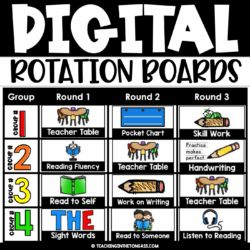
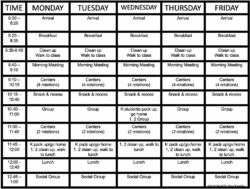
At its heart, a visual schedule is a powerful organizational tool that uses pictures, symbols, or short text to represent a sequence of activities or events. For the school setting, this means depicting everything from morning arrival and specific classes like math or art, to recess, lunch, and even pack-up time. It provides a visual representation of the day’s flow, which can be incredibly grounding and reassuring for students who thrive on predictability and clear expectations.
This method is particularly beneficial for a diverse range of learners. Students who are visual learners, those with executive function challenges, or even children experiencing anxiety often find immense comfort and clarity in seeing their day laid out before them. It helps to reduce the cognitive load of constantly remembering what’s next, freeing up mental energy for learning and social interactions. Instead of asking “What are we doing next?”, they can simply refer to their schedule.
Moreover, visual schedules are fantastic for fostering independence. When a student can consult their schedule to see what’s coming up, they gain a sense of control and agency over their day. They learn to self-monitor and manage their time, developing crucial life skills that extend far beyond the classroom. This ability to anticipate and prepare can significantly boost confidence and self-esteem.
Beyond individual benefits, a well-implemented visual schedule can also ease transitions between activities, which are often points of friction for many students. Knowing that after reading comes art, or after lunch is quiet time, helps prepare them mentally and emotionally, minimizing meltdowns or resistance. It promotes a smoother, more efficient classroom or home-school environment, allowing more time for actual learning and less for managing behavioral challenges.
Key Advantages You’ll See
- Improved focus and attention during tasks.
- Reduced anxiety and uncertainty about the day’s events.
- Enhanced self-regulation and a greater sense of independence.
- Smoother transitions between different subjects and activities.
- Better understanding of daily routines and expectations.
- Increased ability to manage time and prioritize tasks.
Implementing Your Visual Schedule Template For School Effectively
Choosing the right visual schedule template for school is the first step towards a more organized and stress-free academic journey. There’s a wide array of templates available, from simple printable ones with spaces for pictures or written words, to digital apps that can be accessed on tablets or interactive whiteboards. Consider the student’s age, their specific needs, and how detailed their schedule needs to be. Younger children might benefit from larger pictures and fewer steps, while older students might prefer a more text-based or checklist format.
Personalization is incredibly important. A template is just a starting point; the real magic happens when you tailor it to the student’s unique world. Use pictures of their actual teachers, specific classroom locations, or icons representing their favorite activities. Incorporating colors they like or even letting them help decorate the schedule can significantly increase their engagement and ownership. The more relevant and appealing the visual schedule is, the more likely the student is to use it regularly.
Once you have your customized visual schedule template for school ready, think about its placement and how it will be used. For a classroom setting, a large, accessible schedule for the whole class might be beneficial, complemented by individual schedules for students who need more support. At home, place it somewhere easily visible, like on the refrigerator or a bedroom wall. Consistency is key; review the schedule at the start of each day, refer to it during transitions, and provide positive reinforcement when the student successfully follows it.
Remember that a visual schedule is a dynamic tool, not a rigid set of rules etched in stone. Life, and school, are full of unexpected changes. Be prepared to adapt the schedule as routines evolve or as the student’s needs change. It’s okay to adjust or simplify it if it becomes too overwhelming, or to add more detail as the student becomes more proficient. The goal is to provide support, not to create another source of stress.
Tips for Getting Started
- Involve the student in the creation and customization process to build ownership.
- Start simple with just a few key activities and gradually add more detail as confidence grows.
- Place the schedule in a prominent, easily accessible location for quick reference.
- Consistently review the schedule together at the beginning of each day or before major transitions.
- Use a “finished” box or a checkmark system to provide a clear sense of accomplishment for completed tasks.
- Be flexible and understand that adjustments will be needed as routines change or new activities arise.
Harnessing the power of a visual schedule can truly transform a student’s school experience, offering a sense of order, predictability, and empowerment. It’s a foundational tool that supports self-management, reduces anxiety, and ultimately frees up mental space for genuine learning and growth. By providing clear visual cues for daily routines, students gain confidence and develop essential organizational skills that will serve them well beyond their school years.
With a thoughtfully designed and implemented visual schedule, students can navigate their academic world with greater ease and independence. It’s a proactive step towards building a supportive learning environment where every child feels capable and understands what their day holds, leading to a more positive and productive school journey for everyone involved.