Maintaining optimal water temperature is crucial in a wide array of settings, from sensitive scientific experiments to the comfort of your home aquarium. Precision in monitoring safeguards processes, protects aquatic life, and ensures regulatory compliance. A reliable water temperature record sheet template acts as an invaluable tool, transforming sporadic checks into a systematic approach for data collection and analysis. It provides a clear, organized way to track fluctuations, identify trends, and implement timely corrective actions. This article will explore the importance of diligent temperature monitoring, delve into the key components of an effective record sheet, and provide a comprehensive sample to guide your own tracking efforts.
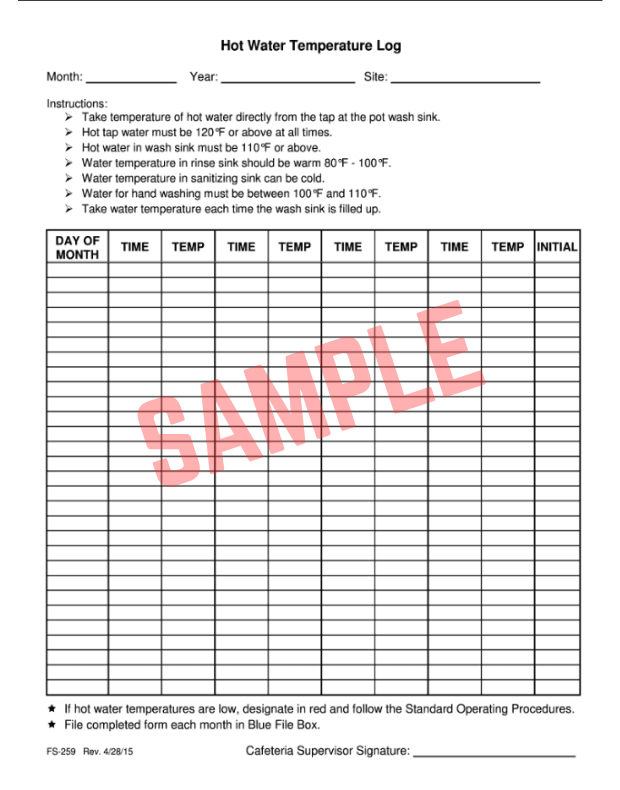
The ability to consistently log water temperature helps prevent significant issues before they escalate. Whether you’re managing an aquaculture facility, a brewing operation, or a hydroponic garden, even slight deviations can have profound consequences. Utilizing a structured temperature log sheet ensures that vital data is captured accurately and consistently, creating a historical record that can be reviewed and analyzed over time. This systematic record-keeping is not just about compliance; it’s about gaining insights into environmental stability and operational efficiency.
Why Accurate Water Temperature Monitoring Is Essential
Precise water temperature monitoring is more than just a good practice; it’s a critical component for success and safety across many industries and hobbies. Neglecting this vital parameter can lead to significant losses, operational inefficiencies, and even health risks. A robust system for tracking water temperatures, often facilitated by a custom water temperature record sheet template, empowers users to maintain control and make informed decisions.
Safeguarding Aquatic Life and Ecosystems
For anyone involved with aquatic environments, from home aquarists to large-scale fish farms, maintaining stable water temperatures is paramount. Fish, corals, and plants are highly sensitive to thermal changes, which can cause stress, compromise immune systems, and even lead to fatalities. Regular logging helps identify temperature swings that could indicate equipment malfunction or environmental issues.
Consider tropical fish tanks, where temperatures ideally remain within a narrow range, typically between 75-80°F (24-27°C). A sudden drop or rise, if unrecorded and unnoticed, can quickly devastate an entire ecosystem. Similarly, in scientific research, consistent water temperatures are vital for valid experimental results concerning marine biology or limnology studies.
Ensuring Industrial Process Efficiency and Product Quality
Industries rely heavily on precise temperature control for optimal operation and product integrity. In brewing, for example, specific mash and fermentation temperatures are essential for yeast activity and flavor development. Deviation from these critical points can ruin an entire batch. A dedicated temperature log sheet provides an audit trail for quality assurance.
Hydroponics also demands strict temperature management for nutrient solutions. Root health and nutrient uptake are directly affected by water temperature, with ideal ranges often between 65-75°F (18-24°C). Consistent recording prevents issues like root rot or nutrient lockouts, ensuring healthy plant growth and maximum yields. Laboratories performing water quality analysis must also maintain specific temperatures for reagent stability and accurate results, making detailed logs indispensable.
Meeting Regulatory Standards and Compliance
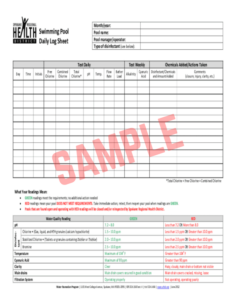
Many sectors are subject to stringent regulations regarding water temperature. Public swimming pools, for instance, must maintain specific temperature ranges for swimmer comfort and to prevent bacterial growth, with health departments often requiring daily logs. Industrial discharge water may have temperature limits to protect local ecosystems, necessitating meticulous record-keeping for environmental compliance.
In food processing, water used for washing, cooking, or chilling must adhere to strict temperature protocols to prevent pathogen proliferation. A well-designed water temperature record sheet template serves as documented proof of compliance during inspections. This level of detail helps businesses avoid hefty fines and uphold public health standards, showcasing a commitment to safety and quality control.
Designing Your Ideal Water Temperature Record Sheet Template
Creating a truly effective water temperature record sheet template involves more than just jotting down numbers. It requires thoughtful consideration of what data is essential, how it will be organized, and what insights you hope to gain from the collected information. A comprehensive template ensures that all relevant details are consistently captured, making the data useful for analysis and decision-making.
Essential Data Fields for Comprehensive Tracking
At its core, any temperature record sheet must capture the basics accurately. The most fundamental elements include the date and time of the reading, ensuring a chronological history. The specific location where the temperature was taken is also critical, especially if monitoring multiple points within a system, like different tanks or sections of a pond.
The actual temperature reading itself, clearly indicating the unit of measurement (e.g., Celsius or Fahrenheit), is indispensable. Finally, the name or initials of the person who took the reading adds accountability and clarity. These fields form the backbone of any reliable temperature log sheet, providing a snapshot of conditions at a given moment.
Advanced Features for Enhanced Monitoring
Beyond the basics, you might want to incorporate additional fields to elevate the utility of your template. Recording the specific equipment used for measurement, such as a particular thermometer or sensor, can be helpful for troubleshooting or calibration checks. Notes on instrument calibration dates can ensure accuracy over time, documenting when the device was last verified.
Including a section for observations allows users to note any unusual conditions, such as equipment malfunctions, changes in environmental factors, or anything that might affect the water temperature. A space for “Corrective Actions Taken” is also highly beneficial. This allows for immediate documentation of steps taken to address deviations, creating a complete incident report within the log itself. These advanced features turn a simple record into a powerful diagnostic and compliance tool.
Sample Water Temperature Record Sheet Template
Below is an example of a straightforward yet comprehensive water temperature record sheet template. This structure is designed to be highly adaptable and can be modified to suit specific needs, whether for an aquarium, a commercial process, or environmental monitoring. The key is to maintain consistency in your data entry.
A typical template would be organized into columns, with each row representing a unique temperature reading event. This format allows for easy scanning and comparison of data over time. You might print this template or use a digital spreadsheet equivalent for continuous tracking.
Here is a basic structure for a water temperature record sheet template:
| Date | Time | Location/Sensor ID | Temp (°C) | Temp (°F) | Equipment Used | Observed Deviation | Corrective Action | Initials |
|---|---|---|---|---|---|---|---|---|
| YYYY-MM-DD | HH:MM | Tank A / Probe 1 | 25.3 | 77.5 | Digital Thermometer Model X | None | N/A | (Initial) |
| YYYY-MM-DD | HH:MM | Pond Zone 2 | 18.9 | 66.0 | Analog Meter | Slight drop from avg. | Checked heater connection | (Initial) |
| YYYY-MM-DD | HH:MM | Brewing Kettle | 68.0 | 154.4 | Calibrated RTD | Within target range | N/A | (Initial) |
In this format, each row chronicles a single instance of temperature measurement. The ‘Location/Sensor ID’ column helps distinguish readings if multiple points are monitored. ‘Observed Deviation’ allows for notes on whether the temperature is outside the desired range or if anything unusual was noticed. If a deviation occurs, the ‘Corrective Action’ column details what steps were taken to rectify the situation. Finally, the ‘Initials’ column provides accountability for who recorded the data.
Utilizing such a detailed template enables quick identification of patterns, potential equipment failures, or environmental factors influencing water temperature. Regularly reviewing these records can lead to proactive maintenance and improved system stability. This structured approach to data logging ensures that no critical information is overlooked, providing a robust historical record for analysis and compliance.
Implementing a well-structured water temperature record sheet template is a cornerstone of effective environmental and operational management. It transforms raw data into actionable insights, providing a clear historical account of conditions and responses. This systematic approach is crucial for maintaining stability, ensuring compliance, and ultimately, achieving desired outcomes across various applications.
Whether for delicate aquatic ecosystems, precise industrial processes, or critical public health measures, consistent temperature logging prevents issues and promotes efficiency. Start using a comprehensive temperature log sheet today to enhance your monitoring capabilities and ensure optimal conditions in your specific environment.