Working at height is one of the most common causes of serious injury and fatalities in workplaces across various industries. From simple ladder use to complex scaffolding operations or working on roofs, the risks involved are significant and demand unwavering attention. It’s not just about the fall itself; it’s also about falling objects, equipment failure, and even adverse weather conditions that can turn a routine task into a dangerous incident. Protecting your team and ensuring a safe work environment must always be the absolute top priority.

That’s where a robust approach to safety management comes into play, and central to this is the proactive identification and mitigation of hazards. You can’t simply hope for the best; you need a structured method to evaluate potential dangers and put effective controls in place. This foundational step is not just good practice; it’s a legal and ethical imperative, laying the groundwork for a secure and compliant operation.
Why A Structured Approach To Height Safety Is Essential
Ignoring the risks associated with working at height isn’t just irresponsible; it can lead to devastating consequences, both human and financial. Businesses face hefty fines, legal action, reputational damage, and, most importantly, the immeasurable cost of a worker’s injury or loss of life. A thorough risk assessment isn’t just a tick-box exercise; it’s a critical process that forces you to think systematically about every aspect of a job that involves elevation. It helps you understand exactly what could go wrong and, more importantly, how to prevent it.
A proper risk assessment involves several key stages, starting with identifying all potential hazards. This isn’t limited to the obvious fall hazards but also includes less apparent risks like material handling at height, environmental factors such as wind or rain, and even the suitability of the equipment being used. Once hazards are identified, the next step is to determine who might be harmed and how. This includes not only the people directly performing the work but also those working below or nearby who could be affected by falling objects or unstable structures.
Following this, you need to evaluate the risks – considering both the likelihood of harm and the severity of the potential consequences. This evaluation then informs the decisions about what control measures are necessary to eliminate or significantly reduce those risks. The hierarchy of controls, which prioritizes elimination, substitution, engineering controls, administrative controls, and finally personal protective equipment (PPE), provides a powerful framework for this decision-making process. The goal is always to implement the highest level of control possible.
This entire process can feel daunting, especially if you’re starting from scratch or managing multiple projects with varying height-related tasks. That’s why a comprehensive and user-friendly working at height risk assessment template becomes an invaluable asset. It standardizes your approach, ensuring consistency and preventing crucial steps from being overlooked, providing a clear roadmap to safety.
Key Elements To Look For In Your Template
A good template shouldn’t just be a blank form; it should guide you through the assessment process effectively. Look for features that prompt detailed consideration of all safety aspects.
- Clear identification of the task and location: What exactly is being done and where?
- Space for hazard identification: Prompts to list all potential dangers, not just falls.
- Identification of personnel at risk: Who is involved and who might be affected?
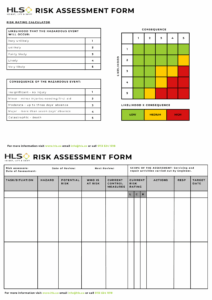
- Risk evaluation matrix: A structured way to assess likelihood and severity.
- Control measures section: Detailed areas to list existing and required precautions.
- Hierarchy of controls guidance: Reminders to prioritize the most effective controls.
- Review and update schedule: Essential for ensuring the assessment remains current.
- Sign-off and record-keeping: For accountability and compliance.
Having these elements neatly organized within a single document ensures a robust and traceable safety plan, making the complex task of risk assessment much more manageable and less prone to human error.
Maximizing The Effectiveness Of Your Working At Height Risk Assessment Template
Simply having a working at height risk assessment template isn’t enough; its true value comes from how effectively it’s used and integrated into your daily operations. Think of it as a living document, not a one-time form to be filled out and forgotten. The process begins long before work commences, with careful planning and site reconnaissance. Before you even touch a ladder or scaffold, walk through the job site with the template in hand, mentally (and physically) identifying every potential hazard unique to that specific environment and task.
Engage your team in the assessment process. Those directly involved in the work often have invaluable insights into the practical challenges and risks that might not be immediately apparent to supervisors or management. Their input can help identify hazards that might otherwise be missed and foster a sense of ownership over safety procedures. Discuss the template, go through the sections together, and ensure everyone understands not just what the risks are, but why specific control measures are being put in place. This collaborative approach significantly strengthens the assessment’s accuracy and effectiveness.
When filling out the template, be as specific and detailed as possible. Instead of just writing "fall hazard," specify "fall from unprotected edge of roof at 5 meters." Instead of "use PPE," state "hard hats, safety harnesses with twin lanyards, and appropriate anchor points." This level of detail helps ensure that the control measures are precisely tailored to the identified risks and leave no room for ambiguity. It also makes it easier for everyone involved to understand their responsibilities and the expected safety protocols.
Once the template is completed and the necessary control measures are identified, the critical next step is implementation and communication. Ensure all equipment is correctly maintained and readily available, that staff are properly trained, and that everyone understands the plan. Don’t forget that circumstances can change rapidly on a job site. Weather conditions can deteriorate, equipment can malfunction, or the scope of work might evolve. Therefore, the template should be reviewed and updated regularly, especially if there are any changes to the work environment, personnel, or equipment.
Here are the practical steps to ensure your template becomes a powerful safety tool:
- Identify the Task and Location: Clearly define what work will be done at height and the specific area.
- Spot the Hazards: Systematically look for all potential dangers, using your template as a guide.
- Decide Who Might Be Harmed and How: Consider all personnel and possible injury types.
- Evaluate the Risks and Decide on Precautions: Assess the likelihood and severity, then choose appropriate controls.
- Record Your Findings and Implement: Document everything and put the control measures into action.
- Review and Update: Regularly check the assessment’s validity and amend as necessary.
By following these steps rigorously, you transform a document into a dynamic safety management system that actively protects your workforce.
A proactive approach to managing risks associated with working at height is not just a regulatory requirement; it’s a fundamental aspect of responsible business practice. Providing your team with a clear, well-structured framework for identifying, assessing, and controlling these hazards empowers them to work safely and confidently. It fosters a culture where safety is not an afterthought but an integral part of every task, leading to fewer incidents and a more productive environment.
Embracing tools like a well-designed template helps streamline complex safety procedures, ensuring consistency and thoroughness across all projects. This commitment to diligent risk management not only protects lives but also enhances operational efficiency and demonstrates an unwavering dedication to the well-being of every individual on the job site.