Navigating co-parenting can feel like a complex puzzle, especially when it comes to creating a consistent and fair schedule for your children. Many parents seek out structures that ensure both parents have significant time with their kids while also providing stability. One such popular and often effective option is the 2 2 3 custody schedule template, designed to offer a balanced approach to shared parenting time over a two-week period.
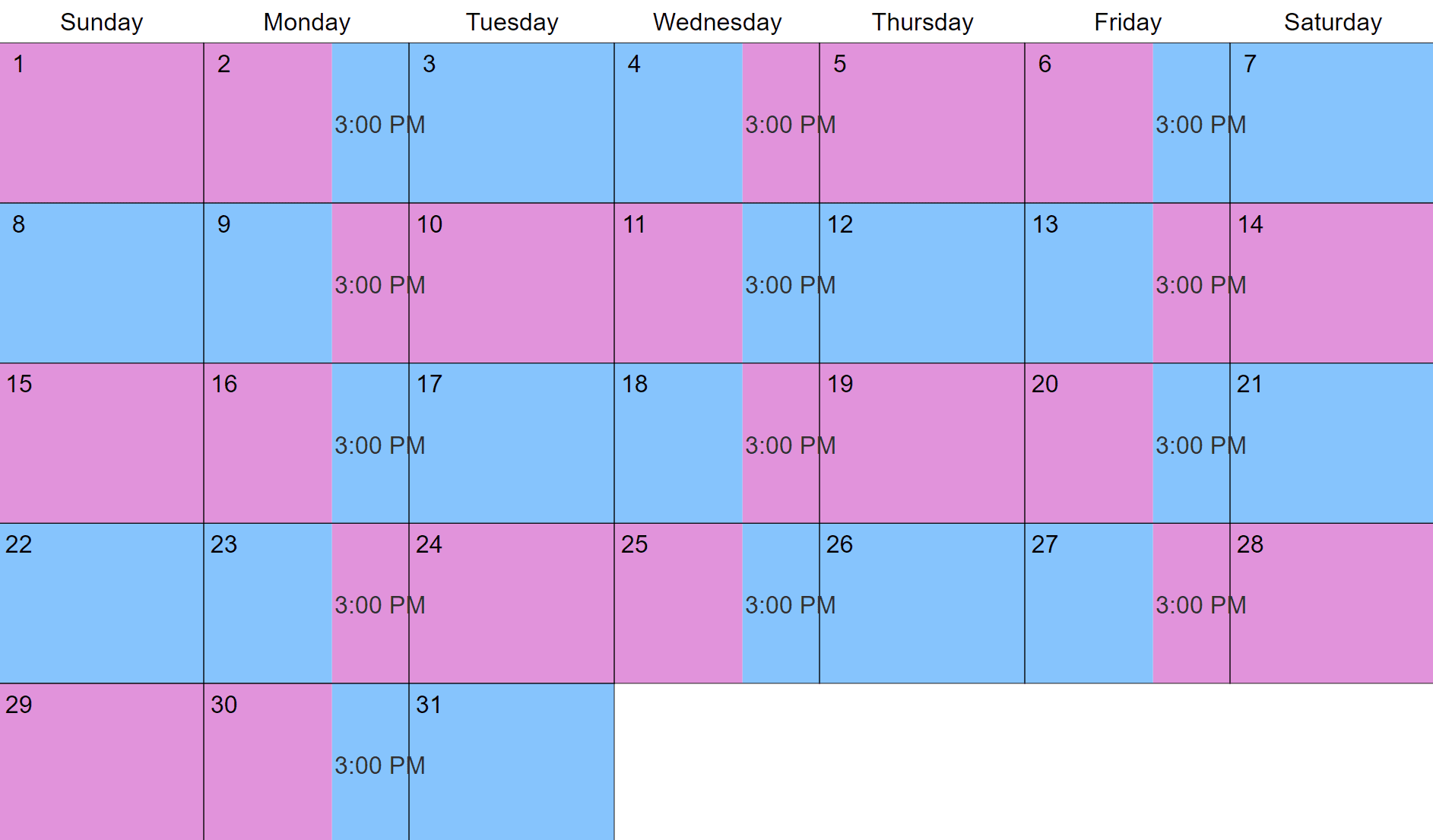
This particular schedule is favored by families looking to ensure children have frequent contact with both parents without long stretches away from either home. It’s built on a recurring pattern that many find predictable and equitable, making it a common choice for those drafting their parenting plans. Let’s explore how this schedule works and whether it might be the right fit for your family’s unique needs.
What Exactly is a 2 2 3 Custody Schedule?
The 2 2 3 custody schedule template is a popular parenting arrangement that cycles over two weeks, ensuring both parents get regular, meaningful time with their children. It’s named for the way it divides overnight stays: one parent has the children for two consecutive nights, then the other parent has them for two consecutive nights, and finally, the first parent has them for the remaining three nights of the week. This pattern then flips for the second week, giving the second parent the three-night block.
This consistent rotation ensures that neither parent goes too long without seeing the children, fostering a strong bond with both households. For example, Parent A might have Monday and Tuesday nights, Parent B takes Wednesday and Thursday nights, and Parent A then has Friday, Saturday, and Sunday nights. The following week, the schedule would reverse, with Parent B taking the first two nights, Parent A the next two, and Parent B the three weekend nights. This cycle means that over two weeks, each parent has seven overnights.
Why Families Choose the 2 2 3
Many families gravitate towards the 2 2 3 custody schedule due to its inherent benefits, particularly in promoting consistent involvement from both parents. It’s often seen as a fair division of time, which can reduce disputes and create a more harmonious co-parenting environment. This fairness is crucial for children, as it reassures them that both parents are equally important and present in their lives.
Here are some key advantages often highlighted by families using this structure:
- Frequent Contact: Children get to see both parents multiple times within a two-week period, preventing long gaps.
- Equal Overnights: Over the full two-week cycle, each parent typically has seven overnights, ensuring an equitable split.
- Predictability: The repeating nature of the schedule creates a clear routine that children can easily understand and adapt to, which is vital for their sense of security.
- Balanced Weekend Time: Both parents get significant weekend time with the children, allowing for leisure activities and family outings.
While the frequent transitions might require some adjustment, especially for very young children, many families find the benefits of regular contact with both parents far outweigh this initial hurdle. It demands good communication and coordination between parents to manage handovers smoothly, but the structure itself provides a solid foundation.
Customizing and Implementing Your 2 2 3 Custody Schedule Template
While the basic framework of a 2 2 3 custody schedule template provides an excellent starting point, every family is unique, and what works perfectly for one might need slight adjustments for another. Tailoring this template to fit your specific circumstances is not only possible but often necessary for its long-term success. Factors like your children’s ages, your geographical proximity to one another, and both parents’ work schedules can all influence how you fine-tune the standard rotation.
For instance, if you have very young children, frequent transitions might be overwhelming, and you might consider slightly longer blocks of time with each parent, or introduce more gradual handover processes. Conversely, teenagers might appreciate the consistent back-and-forth as it allows them to maintain social connections in both neighborhoods. It’s important to have an open dialogue with your co-parent to discuss these elements and decide on modifications that truly serve your children’s best interests.
Effective implementation goes beyond just drawing up the schedule; it involves consistent effort and a shared commitment from both parents. Clear communication is paramount, especially regarding logistical details like school events, extracurricular activities, and any changes to the regular routine. Establishing a consistent handover spot and time can also reduce stress for everyone involved, creating a predictable rhythm for the children.
To ensure a smooth experience, consider these practical tips for integrating your custody schedule:
- Maintain a Shared Calendar: Use a digital calendar (like Google Calendar) accessible to both parents to log appointments, activities, and school holidays.
- Communicate Regularly: Set up a routine for quick check-ins about the children’s week, homework, or any emerging needs.
- Pack Smart: Teach children to pack a "go bag" with essentials for transitions, making the process more efficient.
- Be Punctual: Stick to agreed-upon handover times and locations to avoid unnecessary waiting or confusion.
- Child-Focused Approach: Always prioritize what is best for the children, even if it means compromising on minor preferences.
Remember, a custody schedule is a living document, not set in stone forever. As children grow and family dynamics evolve, it’s beneficial to revisit and review the arrangement periodically. What worked when they were toddlers might not be ideal during their teenage years. Flexibility and a willingness to adapt will ensure that your chosen 2 2 3 custody schedule continues to support your children’s well-being and your co-parenting relationship for years to come.