Keeping your commercial trucks running smoothly is more than just a good business practice; it is absolutely crucial for safety, efficiency, and your bottom line. Every day your vehicles are on the road, they are subjected to wear and tear that can quickly escalate into costly repairs or, worse, dangerous breakdowns. Proactive care is the only way to ensure your fleet remains reliable and profitable.
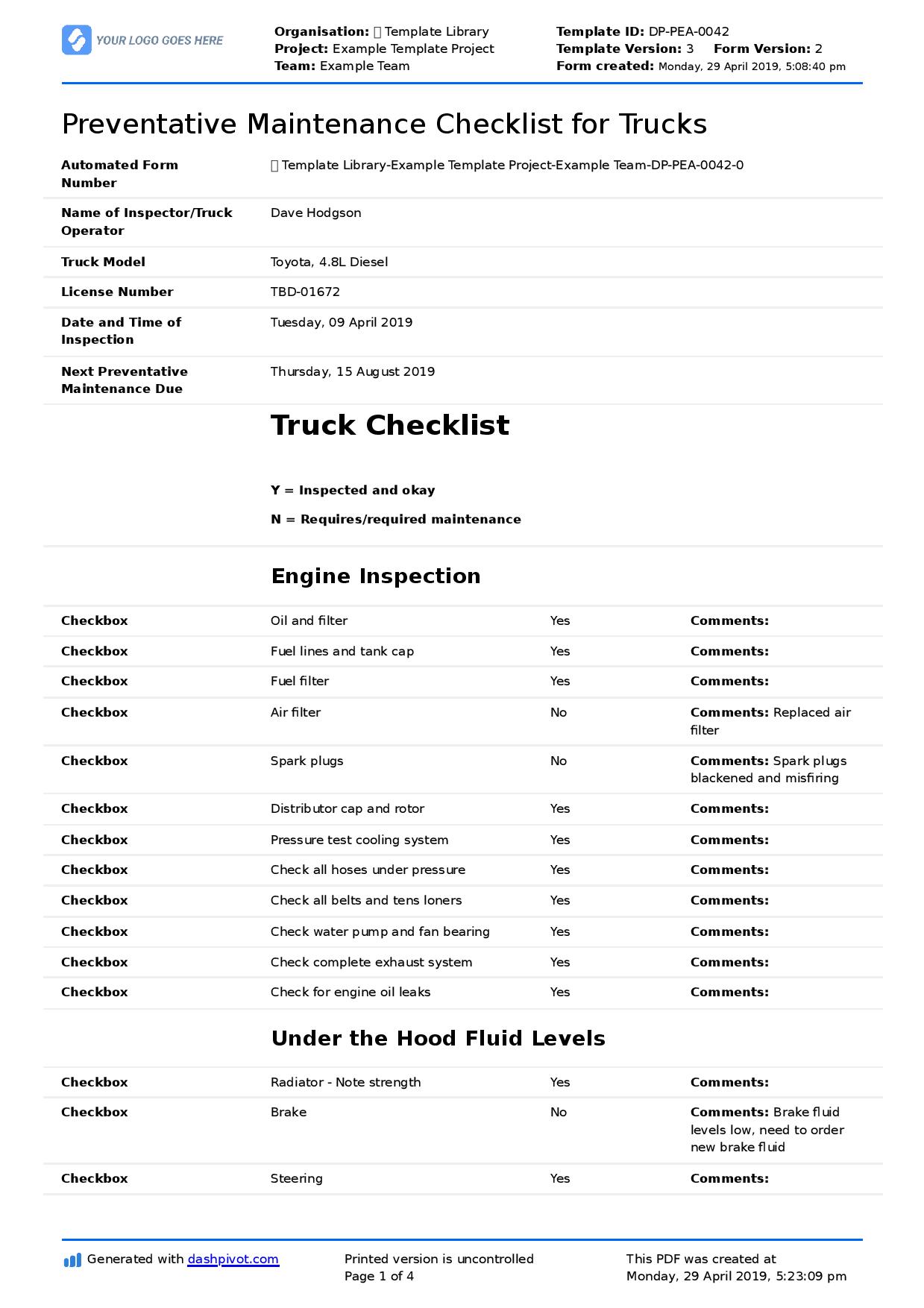
That is where a well-structured commercial truck maintenance schedule template becomes an indispensable tool. It takes the guesswork out of fleet management, providing a systematic approach to inspections, services, and repairs. Implementing a robust schedule not only extends the life of your vehicles but also significantly reduces unexpected downtime, improves fuel economy, and helps you stay compliant with various regulations.
Why a Robust Commercial Truck Maintenance Schedule Template is Non-Negotiable
Ignoring a systematic maintenance approach for your commercial fleet is akin to driving blindfolded. The consequences can range from minor inconveniences to severe operational and financial setbacks. Firstly, safety is paramount. Regular inspections and servicing catch potential issues before they become critical failures, protecting your drivers, other road users, and your valuable cargo. Beyond the human element, there are strict legal and regulatory compliance standards that demand your vehicles are roadworthy at all times.
Secondly, operational efficiency hinges on reliability. A truck that is constantly breaking down or needing emergency repairs is a truck that is not generating revenue. Downtime is a silent killer for any trucking business. A well-executed maintenance schedule keeps your vehicles on the road, fulfilling their intended purpose, and meeting delivery deadlines, thereby maintaining customer satisfaction and your company’s reputation.
Furthermore, consider the financial implications. While maintenance might seem like an upfront cost, it is an investment that pays dividends. Regular oil changes, tire rotations, and brake checks prevent more expensive, catastrophic failures down the line. It also helps in optimizing fuel consumption, as a well-maintained engine runs more efficiently. Over time, these savings accumulate, and the overall lifespan of your trucks is extended, improving their resale value.
Key Elements to Include in Your Template
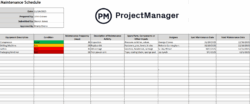
When designing your commercial truck maintenance schedule template, consider these essential components to ensure comprehensive coverage:
- Vehicle Identification: Clearly list details such as make, model, VIN, license plate, and assigned driver.
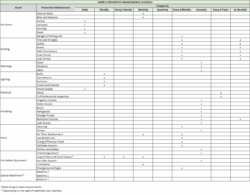
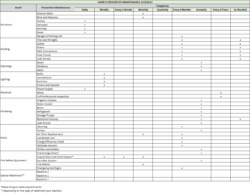
- Inspection Checklist: Divide into daily pre-trip, weekly, monthly, and quarterly inspections covering everything from fluid levels and lights to tires and brakes.
- Service Intervals: Specify mileage or hour-based schedules for oil changes, filter replacements, transmission services, and differential fluid changes.
- Component-Specific Checks: Include specialized checks for brakes, suspension, steering, exhaust system, and electrical components at recommended intervals.
- Parts Replacement Log: Keep a record of when major components like batteries, tires, and brake pads were last replaced and when they are due again.
- Technician Notes and Sign-offs: Provide space for mechanics to document findings, repairs performed, and their signature, ensuring accountability.
- Compliance Records: A section to track Department of Transportation (DOT) inspections and other regulatory requirements.
Building Your Custom Commercial Truck Maintenance Schedule Template
Every commercial fleet is unique, and so should be its maintenance strategy. While general guidelines are helpful, truly effective maintenance stems from a customized commercial truck maintenance schedule template tailored to your specific fleet’s needs, operational environment, and vehicle types. Starting with a blank slate can be daunting, but by breaking it down, you can create a highly effective system.
Begin by consulting the manufacturer’s recommendations for each truck in your fleet. These guidelines provide a solid foundation for service intervals, fluid specifications, and component life expectancies. However, consider these as minimum requirements. Factors like the age of your vehicles, the type of cargo they carry, the terrains they traverse, and the climate they operate in will heavily influence how frequently certain maintenance tasks should be performed. For instance, a truck hauling heavy loads in dusty conditions will require more frequent air filter changes than one making light deliveries in urban areas.
To effectively build out your schedule, consider these steps:
- Categorize Maintenance Tasks: Group tasks by frequency (daily, weekly, monthly, quarterly, annual, or mileage-based).
- Identify Critical Components: Prioritize items that are essential for safety and operation, such as brakes, tires, steering, and engine health.
- Assign Responsibilities: Clearly define who is responsible for conducting inspections and overseeing scheduled maintenance.
- Choose a Tracking Method: Decide whether you will use a physical binder, a spreadsheet, or specialized fleet maintenance software to manage your schedule. Each has its pros and cons, but digital solutions often offer better tracking and reporting capabilities.
- Set Realistic Timelines: Ensure that your maintenance intervals are practical and do not lead to excessive downtime, but also do not compromise safety.
Finally, remember that your maintenance schedule is not set in stone. It is a living document that needs regular review and adjustment. As your fleet ages, as new trucks are acquired, or as operational demands change, your schedule should evolve accordingly. Analyzing past maintenance records, repair histories, and vehicle performance data will provide invaluable insights to continually refine and optimize your template, ensuring maximum efficiency and cost-effectiveness for your operations.
Proactive and organized fleet maintenance is not merely an option; it is a fundamental pillar of a successful commercial trucking operation. By diligently implementing and adhering to a well-designed maintenance schedule, you empower your business to navigate the roads safely, efficiently, and profitably. It is the cornerstone of reliability and the key to long-term success in a demanding industry.