Navigating the complexities of providing continuous care can feel overwhelming, especially when it comes to organizing shifts and ensuring every need is met around the clock. Whether you are a family member stepping into the role of a primary caregiver, managing a team of professional caregivers, or simply planning for future care needs, creating a structured routine is absolutely essential. A well-designed schedule not only brings order to a potentially chaotic situation but also provides peace of mind for everyone involved.

Imagine a system where every task, every break, and every transition is clearly defined, reducing stress and improving the quality of care. That is precisely what a robust 24 hour caregiver schedule template aims to achieve. It is more than just a timetable; it is a communication tool, a responsibility tracker, and a foundational element for consistent, compassionate support, ensuring the care recipient receives continuous, high-quality attention while caregivers manage their responsibilities effectively.
Understanding the Core Components of a 24 Hour Caregiver Schedule
Creating an effective schedule for round-the-clock care requires careful thought and a deep understanding of all the moving parts. It is not just about assigning hours; it is about harmonizing the needs of the care recipient with the availability and well-being of the caregivers. This involves anticipating daily routines, potential emergencies, and the individual preferences that make each care situation unique. A good template acts as a blueprint, guiding all parties through the day and night with clarity and purpose.
The foundation of any successful 24 hour caregiver schedule template rests on a few key considerations. First and foremost are the specific needs of the individual receiving care, which might include medication times, meal preparations, personal hygiene assistance, mobility support, and companionship. Equally important are the needs of the caregivers themselves, ensuring they have adequate rest, meal breaks, and downtime to prevent burnout and maintain their own health and effectiveness. Balancing these two sets of needs is paramount for sustainable long-term care.
Essential Elements to Include
- Care Recipient’s Name and Contact Information
- Caregiver’s Name and Contact Information for Each Shift
- Dates and Specific Shift Times (e.g., 7 AM – 3 PM, 3 PM – 11 PM, 11 PM – 7 AM)
- Detailed List of Tasks for Each Shift (e.g., medication administration, meal prep, bathing assistance, light housekeeping)
- Scheduled Breaks for Caregivers
- Space for Notes, Observations, and Important Updates
- Emergency Contacts and Protocols
Beyond the basic timings, the level of detail within each task description is crucial. Instead of just listing "medication," specify "Medication A 7 AM, Medication B 1 PM with food." This removes ambiguity and minimizes the chance of errors. A well-defined 24 hour caregiver schedule template helps to ensure that no critical steps are missed, and that new caregivers can quickly get up to speed on routines.
Moreover, a vital, yet often overlooked, component is the space for handover notes. As one caregiver ends their shift and another begins, clear communication about any changes, incidents, or observations during the preceding hours is essential. This continuity of information ensures that care remains seamless and responsive, building a trusting environment where everyone feels informed and prepared. Flexibility is also important, as daily life can be unpredictable, so a good schedule allows for minor adjustments while maintaining overall structure.
Crafting an Effective 24 Hour Caregiver Schedule Template
Once you understand the essential components, the next step is to actually put them into practice and build a practical 24 hour caregiver schedule template. This involves choosing the right format, deciding on shift durations, and customizing it to fit the unique rhythm of your care situation. There is no one-size-fits-all solution, but rather a framework that you can adapt and refine over time, making it a living document that evolves with the care recipient’s needs.
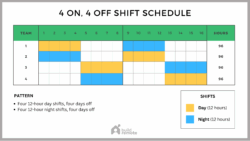
Consider the various ways to structure shifts for 24-hour coverage. Common models include three 8-hour shifts, two 12-hour shifts, or a combination of these, sometimes with a live-in caregiver for a set number of days. Each model has its own advantages and challenges. Three 8-hour shifts mean more caregivers involved but potentially less fatigue per shift. Two 12-hour shifts reduce the number of handovers, which can improve continuity, but require caregivers to manage longer periods of responsibility. Live-in care offers constant presence but needs clear boundaries for caregiver downtime.
- 8-Hour Shifts: Often involves three different caregivers throughout the day and night. This can distribute the workload more evenly and reduce individual caregiver fatigue, but it also means more handovers and a greater number of people needing to be coordinated.
- 12-Hour Shifts: Typically involves two caregivers covering the entire 24-hour period. This model can foster greater consistency in care as fewer transitions occur, but it demands more stamina and commitment from individual caregivers.
- Live-in Care: A caregiver resides in the home, providing support throughout the day and being available overnight. This offers a high level of continuous presence, though it requires defining specific active duty hours and ensuring the caregiver receives adequate rest and breaks in a private space.
The best template will always be client-centric. Start by mapping out the care recipient’s non-negotiable activities, like medication times or therapy appointments. Then, layer in their personal preferences, such as preferred meal times, wake-up routines, or quiet hours. This personal touch ensures the schedule supports their dignity and comfort, rather than imposing a rigid structure that feels impersonal.
Finally, remember that the template is a tool for communication and organization, so it should be easy to understand and readily accessible to all caregivers. Whether you use a simple printed spreadsheet, a whiteboard in the home, or a digital scheduling app, ensure everyone knows where to find it and how to use it. Regularly review the schedule with the care recipient and caregivers to make adjustments as needed, fostering a collaborative approach to continuous, high-quality care.
Implementing a clear, structured schedule for round-the-clock care brings immense benefits beyond just organization. It fosters consistency, reduces anxiety for the care recipient, and empowers caregivers by clearly defining their roles and responsibilities. This methodical approach ensures that every aspect of care is considered and managed, leading to a more harmonious and effective care environment for everyone involved.
By investing the time to create and maintain a thoughtful care schedule, you are not just ticking boxes; you are building a foundation of support, respect, and reliable care. This proactive planning minimizes stress, maximizes efficiency, and ultimately contributes to the overall well-being and peace of mind for both the individual receiving care and those dedicated to providing it.