Managing home health care can feel like juggling many balls at once. From medication schedules and meal preparation to personal hygiene and therapy appointments, there’s a lot to keep track of. The goal is always to provide the best possible care while maintaining a sense of order and calm, both for the person receiving care and for the dedicated caregivers involved. Without a clear system, days can become chaotic, leading to missed tasks, increased stress, and a diminished quality of life for everyone.

This is where a structured approach becomes invaluable. Having a clear, easy-to-follow plan is not just about efficiency; it’s about peace of mind. It ensures consistency, promotes patient well-being, and empowers caregivers to perform their duties effectively. A well-crafted home health care schedule template can transform daily routines, bringing much-needed organization to the complexities of in-home care.
Why a Home Health Care Schedule Template is Essential
Establishing a routine is paramount in any caregiving situation, and it becomes even more critical in home health. Patients often thrive on predictability, finding comfort and security in knowing what to expect throughout their day. For caregivers, a detailed schedule eliminates guesswork, helping them prioritize tasks and manage their time efficiently, reducing the likelihood of burnout and ensuring that no vital aspect of care is overlooked. It acts as a central communication tool, keeping everyone involved – family members, medical professionals, and different caregivers – on the same page regarding the patient’s needs and daily activities.
Beyond just task management, a comprehensive template fosters a higher standard of care. It helps ensure that medications are administered on time, nutritional needs are met consistently, and personal care routines are maintained with dignity and respect. It also allows for the integration of therapeutic activities, social engagement, and personal preferences, contributing to a holistic approach to well-being rather than just addressing medical requirements.
One of the often-underestimated benefits is the way a template empowers the care recipient. Even if they cannot fully participate in creating the schedule, seeing a clear plan can reduce anxiety and give them a sense of control over their day. It provides a visual representation of their care journey, offering reassurance and clarity. For caregivers, it simplifies handover procedures between shifts, ensuring seamless transitions and continuity of care, which is crucial for patient safety and comfort.
Key Elements to Include in Your Template
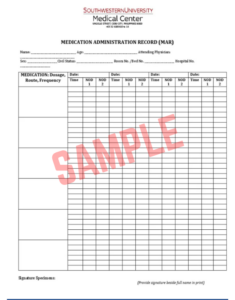
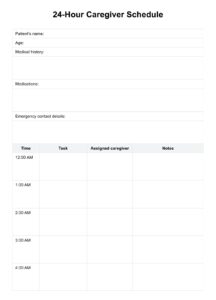
- Patient Information: Name, contact details, medical conditions, and any special considerations.
- Caregiver Details: Name, contact information, and specific responsibilities if multiple caregivers are involved.
- Date and Time Slots: Clearly marked intervals for daily tasks.
- Task Description: Specific details for each activity, such as “Medication Administration (AM)”, “Meal Preparation (Breakfast)”, “Assist with Bathing”, “Physical Therapy Exercises”, or “Social Engagement (Reading/Talking)”.
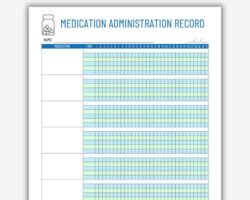
- Completion Check-off: A simple box or initial space for caregivers to mark when a task is done.
- Notes Section: For observations, changes in condition, unexpected events, or messages for the next caregiver.
- Emergency Contacts: Easily accessible phone numbers for family, doctors, and emergency services.
This level of detail ensures accountability and provides a valuable record of care provided, which can be important for medical reviews or insurance purposes. It transforms a potentially overwhelming list of duties into an organized, actionable plan, offering clarity and structure to the daily rhythm of home health care.
Tips for Creating and Implementing Your Schedule
When you’re ready to put together your own home health care schedule template, start by taking a thorough assessment of the patient’s current needs and preferences. This isn’t just about their medical requirements; it also involves understanding their daily habits, their energy levels throughout the day, and any specific routines they find comforting or important. Involve the patient in this process as much as possible, as their input can make the schedule more effective and more readily accepted. Think about what brings them joy or comfort, and try to incorporate those elements into the daily flow.
Next, consider the availability and capabilities of the caregivers. If multiple caregivers are involved, clarify who is responsible for which tasks and during what hours. Be realistic about the time required for each activity. Rushing through care tasks can be stressful for everyone involved and may compromise the quality of care. Building in buffer times between tasks can be incredibly helpful, allowing for unexpected delays or moments when a little extra time is needed. Remember, caregiving is demanding, so ensure the schedule also includes planned breaks and rest times for the caregivers themselves.
Start simple and gradually refine the template as you go. You don’t need to create a perfect, immutable schedule on day one. Begin with the most critical tasks and adjust as you learn more about what works best. What looks good on paper might need tweaking in real life. Be open to feedback from both the patient and the caregivers, and view the schedule as a living document that can evolve over time to better meet changing needs and circumstances.
- Be realistic with time allocations: Over-scheduling leads to stress.
- Involve the patient: Their input can increase cooperation and comfort.
- Factor in travel time: For appointments or errands.
- Schedule caregiver breaks: Essential for preventing burnout.
- Review and adjust regularly: Needs change, and so should the schedule.
Effective communication is the cornerstone of successful schedule implementation. Ensure everyone involved—the patient, family members, and all caregivers—has access to the schedule and understands their role. Regularly discuss how the schedule is working, addressing any challenges or suggesting improvements openly. This collaborative approach fosters a supportive environment and ensures that the schedule truly serves its purpose: to provide exceptional, organized, and compassionate home health care.
Adopting a well-designed schedule template for home health care is more than just an organizational tool; it’s an investment in the well-being and peace of mind for everyone involved. It brings structure to daily life, ensures comprehensive care, and helps foster a more harmonious environment. By clearly outlining tasks and responsibilities, it reduces stress, improves communication, and empowers caregivers to provide the highest quality of support consistently.
Ultimately, a thoughtful and adaptable home health care schedule template allows you to transform the often-complex world of in-home care into a manageable, predictable, and even comforting routine. It helps create a rhythm to the day that benefits both the care recipient and those dedicated to their support, paving the way for better health outcomes and a more peaceful daily existence. Find or create the ideal home health care schedule template that fits your unique situation and experience the positive difference it can make.