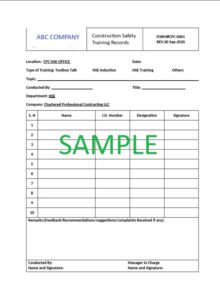
Even in the seemingly calm environment of an office, health and safety risks are a real concern that smart businesses don’t overlook. While we often associate workplace hazards with factories or construction sites, offices have their own unique set of potential dangers, from ergonomic strains and slip hazards to electrical issues and fire risks. Proactively identifying and addressing these concerns isn’t just about compliance; it’s about safeguarding your most valuable asset: your people.
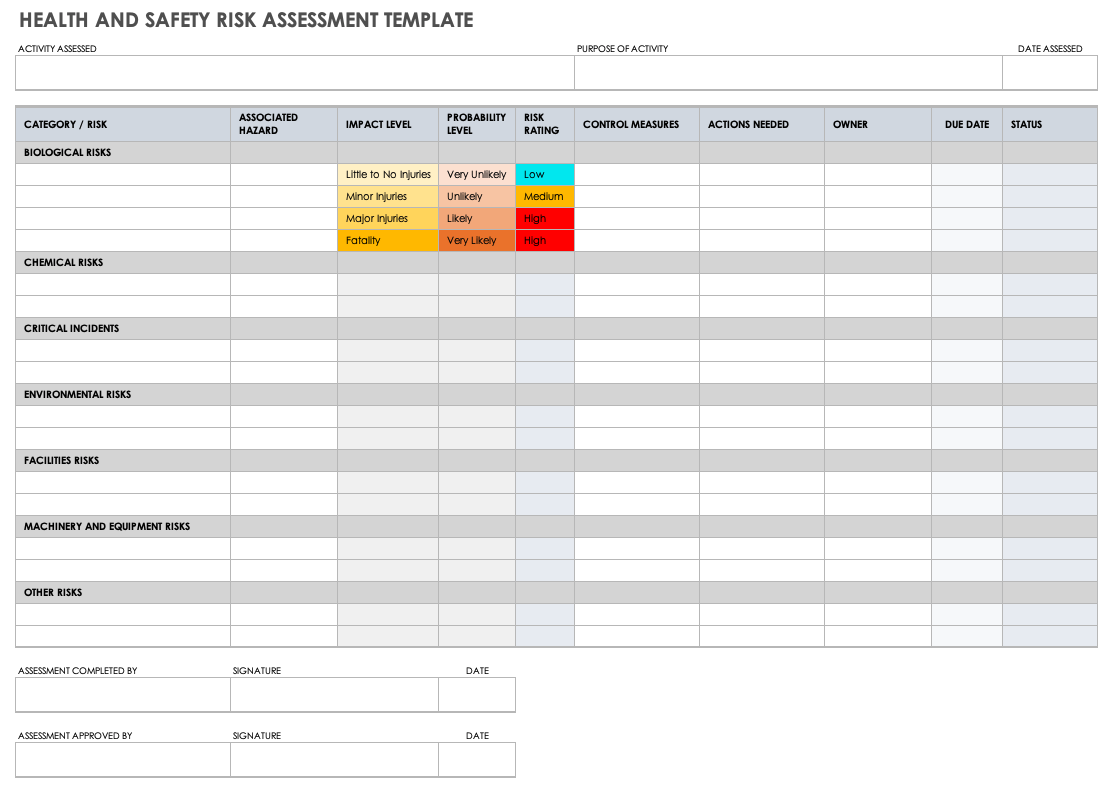
That’s where a well-structured approach comes in handy. Understanding these risks and putting measures in place to mitigate them is crucial for creating a safe, healthy, and productive workspace. Fortunately, you don’t have to start from scratch. A comprehensive office health and safety risk assessment template can guide you through the process, ensuring no stone is left unturned and your team can focus on their work with peace of mind.
Understanding the Need for Office Risk Assessment
It’s easy to assume an office is inherently safe, especially when compared to more physically demanding workplaces. However, this assumption can be a significant oversight. Offices present a range of unique hazards that, if not managed, can lead to injuries, health problems, and even significant disruptions to your business operations. Think about the daily routine: people moving between desks, using electrical equipment, handling files, and spending long hours in one posture. Each of these activities carries a potential risk.
Identifying these risks early on is not just a good practice; it’s often a legal requirement. Employers have a duty of care to provide a safe working environment. Failing to conduct proper risk assessments can result in legal penalties, increased insurance premiums, and, most importantly, harm to your employees. Beyond the legalities, a safe office fosters a positive work culture, reduces absenteeism due to work-related injuries or stress, and ultimately boosts productivity and morale. When employees feel safe and valued, they are more engaged and committed.
Moreover, a proactive approach to office health and safety helps you manage unforeseen circumstances. What happens if there’s a fire? Is your emergency exit clear? Do all employees know the evacuation procedure? What about first aid provisions? These are questions that a thorough risk assessment aims to answer before an incident occurs, turning potential chaos into a well-managed response. It helps you prepare for the unexpected and minimize its impact.
This is precisely where an office health and safety risk assessment template becomes an indispensable tool. It provides a systematic framework, guiding you step-by-step through the process of identifying hazards, assessing risks, and implementing control measures. It ensures consistency, helps in documenting your findings, and makes the whole task less daunting, transforming a complex requirement into a manageable project.
Key Steps to Using Your Office Health and Safety Risk Assessment Template
Making Your Template Work for Your Unique Office
While a general office health and safety risk assessment template provides an excellent starting point, every office has its own unique characteristics, layouts, and ways of working. Therefore, simply filling out a generic template isn’t enough; you need to tailor it to your specific environment and operations. This customization ensures that all relevant risks are identified and addressed, rather than just the most common ones. Consider the specific departments within your office – the reception area might have different foot traffic patterns and security needs compared to a quiet design studio or a busy IT server room.
Think about the specific equipment your team uses daily. Does your marketing team rely heavily on large format printers? Are there specific tools used in a creative department? Do certain roles require prolonged periods of screen time or repetitive tasks? Each of these scenarios introduces unique risks that a generalized template might not fully cover. By digging deeper into the day-to-day activities of your employees, you can uncover hazards that are specific to your company’s operations and ensure your risk assessment is truly comprehensive and effective.
Beyond physical hazards, it’s also important to consider the human element and the culture of your workplace. Are there processes that contribute to stress or burnout? Are employees encouraged to report concerns without fear of reprisal? A truly effective health and safety strategy goes beyond physical checks and embraces a culture of well-being. This might involve assessing stress levels, looking into mental health support provisions, or reviewing communication channels for reporting incidents or near misses.
Making your template truly your own means involving the people who know the office best – your employees. They are on the front lines and can often spot hazards or suggest improvements that management might overlook. Encourage open feedback, conduct surveys, and involve staff representatives in the review process. This collaborative approach not only leads to a more accurate assessment but also empowers employees, making them more invested in maintaining a safe workplace.
Regular reviews are also key to making your template a living document, not just a one-time exercise. As your business grows and evolves, so do the potential risks. Whether you’re moving to a new office, bringing in new technology, or simply adapting to new work patterns, your risk assessment should be updated to reflect these changes. This ongoing commitment ensures that your office remains a safe and healthy place for everyone, consistently minimizing potential harm and fostering a thriving work environment.
Taking a proactive approach to workplace safety, even in an office setting, is a testament to an organization’s commitment to its employees’ well-being. By utilizing a structured risk assessment and adapting it to your specific needs, you’re not just ticking a box; you’re actively building a safer and more resilient workspace.
Implementing these thoughtful measures helps to create an environment where staff can thrive, confident that their health and safety are a top priority. This commitment ultimately leads to a more productive, positive, and secure future for everyone involved.