Ensuring the safety and well-being of everyone within an occupied building is not just a regulatory requirement, it’s a fundamental responsibility. Whether it’s an office, a school, a retail space, or a healthcare facility, understanding and mitigating potential risks is paramount to preventing accidents, protecting assets, and maintaining a secure environment for occupants and visitors alike. A proactive approach to safety builds trust and fosters a culture of care.
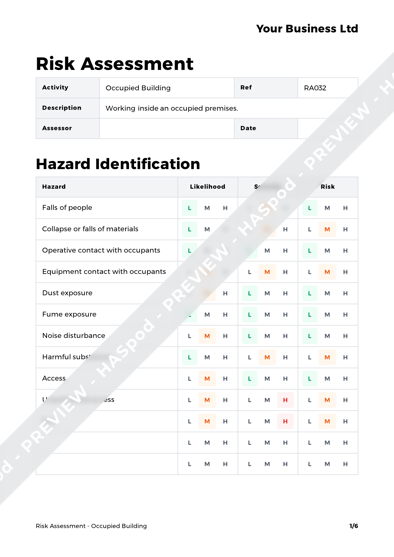
Navigating the complexities of health and safety regulations can feel daunting, but a structured approach can simplify the process significantly. That’s where a clear and comprehensive risk assessment comes into play. It acts as your guide to systematically identify hazards, evaluate risks, and implement effective control measures, ultimately ensuring a safe operation for all who enter your premises.
Understanding the Core of an Occupied Building Risk Assessment
An occupied building risk assessment is a methodical examination of your workplace to identify anything that could cause harm to people. It’s about understanding the likelihood of harm occurring and the severity of the potential outcome. This critical process goes beyond merely checking boxes; it involves a deep dive into the physical environment, operational procedures, and human factors that contribute to the overall safety profile of a building. It’s a fundamental step in fulfilling your legal obligations and, more importantly, in safeguarding lives.
The initial stages of conducting an effective assessment involve careful planning and information gathering. This includes understanding the building’s layout, its primary functions, the number and types of occupants (including any special needs), and the daily activities that take place. Identifying a competent person or team to lead this assessment is crucial, as they will need a thorough understanding of health and safety principles relevant to the building’s specific use. Their expertise will guide the identification of potential pitfalls and the formulation of appropriate protective actions.
Key Elements to Consider in Your Assessment
When you begin to identify potential hazards, think broadly. Hazards aren’t just obvious physical dangers; they can also be less visible, such as inadequate lighting leading to trips, poor ventilation causing air quality issues, or even high-stress environments contributing to psychosocial risks. Each building presents its unique set of challenges, from the age of its infrastructure to the type of equipment housed within. A comprehensive assessment considers all these variables.
Once hazards are identified, the next step involves determining who might be harmed and how. This requires empathy and foresight, considering not just employees but also visitors, contractors, and individuals who might be more vulnerable, such as children, the elderly, or those with disabilities. Understanding the potential pathways of harm helps in prioritizing which risks need immediate attention and how best to implement protective measures.
Consider these aspects for a thorough review:
- Fire safety systems, including alarms, extinguishers, and clearly marked escape routes
- Structural integrity and general maintenance of the building fabric
- Safety of utilities, such as electrical systems, plumbing, and HVAC (heating, ventilation, and air conditioning)
- Effectiveness of emergency procedures, including evacuation plans and first aid provisions
- Security measures to protect against unauthorized access or external threats
- Occupant demographics, including any specific needs or vulnerabilities
- Hazardous substances storage and handling protocols
- Adequacy of lighting and access for all areas
- Ergonomic considerations for workstations and common areas
Implementing and Maintaining Your Risk Assessment
Once you have meticulously identified hazards and understood who might be at risk, the next vital phase is to evaluate those risks and decide on appropriate control measures. This involves assessing the likelihood of an event occurring and the severity of the potential harm. Not all risks are equal; some require immediate and robust intervention, while others might be managed with simpler adjustments. Prioritizing these risks ensures that resources are allocated effectively to address the most critical concerns first.
Developing control measures means putting in place practical steps to eliminate the hazard entirely, or where that’s not possible, to minimize the risk to an acceptable level. This often follows a hierarchy of controls, starting with elimination, then substitution, engineering controls, administrative controls, and finally, personal protective equipment (PPE). For instance, if a hazardous chemical is identified, eliminating its use would be ideal; if not, substituting it with a safer alternative, or using engineering controls like local exhaust ventilation, would be the next best steps before relying on PPE.
Recording your findings is not just good practice; it’s often a legal requirement. A well-documented occupied building risk assessment template provides a clear record of hazards identified, the risks associated, the control measures implemented, and who is responsible for carrying out those actions. This documentation serves as a vital reference point, demonstrating due diligence and providing a structured framework for continuous improvement. It also becomes a foundational element for staff training and induction, ensuring everyone understands their role in maintaining a safe environment.
Risk assessment is not a one-time event but a dynamic and continuous process. Buildings evolve, occupants change, new equipment is introduced, and regulations are updated. Therefore, your assessment must be reviewed regularly and updated whenever there are significant changes, after an incident or near-miss, or if there’s reason to believe the current assessment is no longer valid. This ongoing commitment ensures that your building remains a safe and compliant space for everyone within its walls.
Taking a proactive stance on safety not only fulfills legal obligations but also cultivates an environment where everyone feels secure and valued. A diligently completed occupied building risk assessment template serves as an indispensable tool, streamlining the process of identifying, evaluating, and controlling potential dangers. It empowers organizations to systematically address safety concerns, ensuring peace of mind for building managers and occupants alike.