Navigating the world of assistive technology can feel like a complex journey, especially when trying to match the right tools with an individual’s unique needs. Assistive technology, or AT, encompasses a vast array of devices and services designed to enhance the functional capabilities of people with disabilities. From communication aids to mobility devices and computer accessibility tools, the options are extensive, making a structured approach to assessment not just helpful, but essential for successful outcomes.
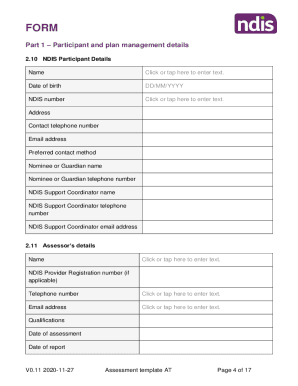
That’s where a well-designed assessment template comes into play. It provides a methodical framework to gather crucial information, identify specific challenges, explore potential solutions, and ultimately ensure that the chosen technology truly empowers the user. Without a systematic process, assessments can become haphazard, leading to mismatched technology or missed opportunities for significant improvement in quality of life. A comprehensive template helps professionals, caregivers, and individuals themselves to work collaboratively towards the most effective AT solutions.
The Core Elements of an Effective Assistive Technology Assessment Template
A truly effective assistive technology assessment template acts as a compass, guiding the evaluator through all the critical touchpoints necessary for a thorough understanding of an individual’s situation. It’s not just about listing devices; it’s about understanding the person, their environment, their tasks, and their preferences. The goal is to paint a complete picture that allows for informed decisions regarding AT interventions. This holistic perspective prevents costly mistakes and ensures that the technology genuinely integrates into the user’s daily life, fostering independence and participation.
Beginning with basic demographic information and medical history, the template then delves into the individual’s current functional abilities and limitations across various domains, such as communication, mobility, learning, vision, and hearing. Understanding what the person *can* do, alongside what they struggle with, provides a foundation for identifying areas where AT can offer support. Equally important is exploring their previous experiences with assistive technology, both positive and negative, to learn from past successes and avoid repeating challenges.
Key Components to Include for Comprehensive Evaluation
A robust template will also incorporate detailed sections on the environments where the technology will be used. Is it for home, school, work, or the community? Each setting presents unique demands and potential barriers, from lighting conditions to internet access and support availability. A general assistive technology assessment template also benefits from a thorough task analysis, breaking down the specific activities the individual wishes to perform with greater ease. This might include writing an email, navigating a crowded room, or participating in a classroom discussion.
Finally, the template should guide the assessor through the process of recommending specific AT devices and services, outlining the rationale for each choice, potential funding sources, and a clear plan for implementation. This includes training requirements for the user and their support network, as well as a schedule for follow-up and evaluation to ensure the technology remains effective and relevant over time. By incorporating these elements, the template transforms a complex process into an organized, actionable plan.
Implementing and Customizing Your Assessment Template
Once you have a comprehensive assistive technology assessment template, the next step is effectively putting it into practice. This isn’t a one-size-fits-all approach; while the template provides structure, its true power lies in its adaptability to each unique individual. The process should always be person-centered, meaning the individual using the technology is at the heart of every decision. Their voice, preferences, and goals are paramount throughout the assessment.
Effective implementation involves a collaborative team approach. This often includes the individual themselves, family members or caregivers, therapists (occupational, physical, speech-language), educators, and AT specialists. Each team member brings a unique perspective and expertise, contributing to a more nuanced and thorough assessment. Regularly scheduled meetings and clear communication channels are vital to ensure everyone is on the same page and that all relevant information is collected and considered.
Even the most detailed general assistive technology assessment template needs customization. Not every section will be equally relevant for every individual, and sometimes additional, specific questions will arise that aren’t explicitly covered. Feel empowered to add notes, expand on particular areas, or even omit sections that clearly don’t apply. The template serves as a guide, not a rigid script, allowing for flexibility while maintaining consistency in core data collection.
Documenting observations and recommendations clearly and concisely within the template is crucial for future reference and continuity of care. This documentation provides a historical record of the assessment process, justifying AT choices, informing training strategies, and setting benchmarks for ongoing evaluation. A well-documented assessment not only supports the individual but also aids in advocating for necessary resources and funding.
Adopting a structured approach to assistive technology assessments significantly streamlines the process, ensuring that no critical detail is overlooked. It empowers professionals to make more informed decisions and helps individuals receive the most appropriate and effective tools to enhance their daily lives. This systematic methodology not only saves time and resources but also dramatically increases the likelihood of successful AT integration, leading to greater independence and participation.
Ultimately, by embracing a thoughtful and organized assessment strategy, we can unlock the full potential of assistive technology. It fosters an environment where individuals are truly supported in achieving their personal goals, overcoming barriers, and engaging more fully with their world, ultimately leading to a more inclusive and accessible society for everyone.