Maintaining beautiful gardens, whether for a commercial property or a private residence, is a rewarding endeavor. However, behind every neatly trimmed hedge and vibrant flower bed lies a set of potential hazards that, if not properly managed, can lead to accidents or injuries. Ensuring the safety of your team, clients, and even bystanders isn’t just a good practice; it’s a fundamental responsibility.

This is where a robust approach to safety comes into play. By proactively identifying potential dangers and planning how to mitigate them, you create a safer working environment for everyone involved. Think of it as planting the seeds for safety – with a little foresight and the right tools, you can cultivate a culture where well-being blossoms alongside your landscapes.
Understanding the Importance of Risk Assessment in Garden Maintenance
When it comes to tending to gardens, the work often involves a diverse range of tasks, from operating machinery to working at heights, handling chemicals, and engaging in manual labor. Each of these activities carries inherent risks that need careful consideration. Ignoring these potential hazards isn’t just risky; it can lead to serious consequences, including injuries, legal liabilities, reputational damage, and even project delays. That’s precisely why having a clear and comprehensive garden maintenance risk assessment template isn’t just helpful, it’s absolutely essential for any professional or dedicated amateur.
A well-structured risk assessment serves as your roadmap to identifying potential problems before they escalate. It forces you to think systematically about every aspect of a job, from the moment you arrive on site to the completion of the work. This proactive stance ensures that you’re not just reacting to incidents, but actively preventing them, thereby protecting your team and maintaining smooth operations.
Common Hazards to Consider
Garden maintenance presents a unique array of risks that demand attention. These aren’t always immediately obvious, but a thorough assessment helps bring them to light.
- **Working at Heights:** Ladder work for pruning tall trees or hedges, working on sloped terrain.
- **Machinery Operation:** Chainsaws, strimmers, lawnmowers, shredders, and hedge trimmers all pose risks of cuts, entanglement, and thrown objects.
- **Manual Handling:** Lifting heavy bags of soil, moving large planters, or prolonged repetitive tasks leading to musculoskeletal injuries.
- **Hazardous Substances:** Pesticides, herbicides, fertilizers, and fuels can cause chemical burns, respiratory issues, or environmental contamination.
- **Environmental Factors:** Exposure to sun (UV radiation), extreme weather, venomous insects or plants, uneven ground leading to slips, trips, and falls.
- **Noise and Vibration:** Prolonged use of power tools can lead to hearing loss or Hand-Arm Vibration Syndrome (HAVS).
By systematically addressing these and other potential dangers using a garden maintenance risk assessment template, you can put effective control measures in place. This might involve using personal protective equipment (PPE), providing specific training, implementing safe working procedures, or choosing safer equipment. The goal is always to reduce the likelihood and severity of any potential harm. Ultimately, a thorough risk assessment safeguards not only physical well-being but also the reputation and sustainability of your gardening endeavors.
Practical Steps to Develop Your Garden Maintenance Risk Assessment
Developing an effective risk assessment doesn’t have to be an overwhelming task. It’s a systematic process that, once understood, becomes a natural part of your planning. The goal is to break down complex jobs into manageable steps, identify what could go wrong, and then decide how to prevent it. This proactive approach ensures that safety is ingrained in every task your team undertakes, from the simplest weeding job to the most intricate landscape design project.
Start by clearly identifying all the different tasks involved in a garden maintenance job. Is it just mowing and edging, or does it include tree pruning, chemical application, or pond maintenance? Each task presents a unique set of circumstances and potential hazards. Once you have a clear list of tasks, you can then begin to pinpoint the specific hazards associated with each one. For example, pruning a rose bush might involve thorns, whereas using a petrol lawnmower introduces noise, fumes, and cutting blades.
Next, you need to consider who might be harmed and how. This isn’t always just your direct employees; it could be clients, passersby, or even local wildlife. Think about how the identified hazards could realistically cause injury or illness. Is there a risk of a trip on uneven ground? Could someone inhale fumes from a spray? By visualizing these scenarios, you get a clearer picture of the potential impact and the urgency of implementing control measures.
After identifying the hazards and potential victims, the crucial step is to evaluate the risks. This involves considering the likelihood of harm occurring and the severity of that harm. A common method is to use a simple matrix (e.g., low, medium, high) to score both likelihood and severity, which then helps you prioritize which risks need immediate attention. High-likelihood, high-severity risks should always be addressed first. This structured thinking helps ensure that your resources are focused on the most critical areas, providing maximum safety benefit.
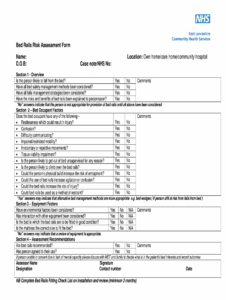
Once you have a clear understanding of your risks, it’s time to decide on control measures. These are the steps you’ll take to eliminate the hazard entirely or, if that’s not possible, reduce the risk to an acceptable level. Control measures can range from providing appropriate personal protective equipment (PPE) like gloves and safety glasses, to implementing safe work procedures, ensuring proper training, maintaining equipment, or even redesigning the task to remove the hazard altogether. Recording your findings in a comprehensive document, and regularly reviewing and updating it, makes sure your garden maintenance risk assessment remains a living, effective tool.
Cultivating a safe environment for garden maintenance is an ongoing commitment, not a one-time event. By consistently employing a systematic approach to identifying and mitigating risks, you lay the groundwork for a more secure and efficient operation. This dedication not only protects the well-being of everyone involved but also reinforces your reputation as a responsible and professional service provider.