Navigating the complex landscape of pharmaceutical manufacturing and quality control can often feel like a puzzle with many intricate pieces. One area that has gained significant attention due to its direct impact on patient safety and regulatory compliance is the management of elemental impurities. These tiny metallic particles, if not properly controlled, can pose serious health risks and lead to costly product recalls.
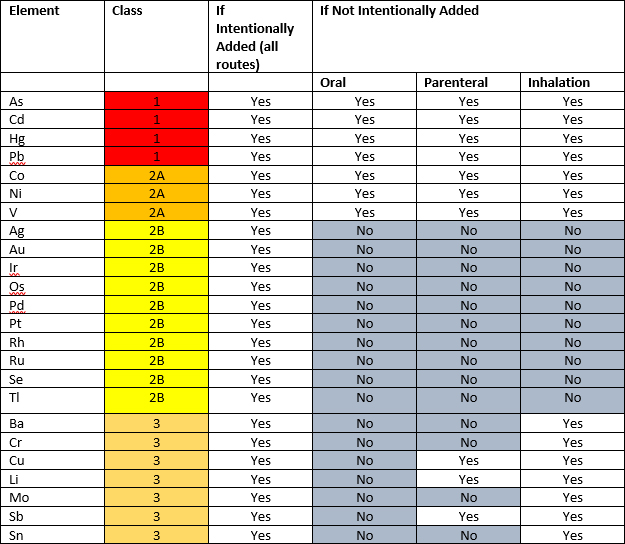
Ensuring your products meet stringent global standards, such as those set by ICH Q3D guidelines, requires a methodical and robust approach. This isn’t just about testing the final product; it’s about understanding the entire process, from raw materials to the finished dosage form. That’s where a well-structured elemental impurities risk assessment template becomes an invaluable tool, providing a clear roadmap to identify, evaluate, and mitigate potential hazards proactively.
The Crucial Role of an Elemental Impurities Risk Assessment
When we talk about elemental impurities, we’re primarily referring to the specific metals outlined in the ICH Q3D guideline, which categorizes them based on their toxicity and likelihood of presence. These can range from highly toxic elements like arsenic and cadmium to less toxic ones like iron and zinc. The underlying principle is to ensure that the patient’s exposure to any of these elements through a medicinal product remains below a safe threshold, known as the Permitted Daily Exposure (PDE).
Conducting a thorough risk assessment is not merely a regulatory obligation; it’s a fundamental aspect of product quality and patient safety. It allows manufacturers to move beyond reactive testing to a proactive control strategy. By systematically evaluating potential sources and exposure pathways, companies can implement targeted controls, reducing the need for extensive end-product testing and, more importantly, minimizing the risk of adverse health effects for consumers. This systematic approach saves resources and builds consumer trust.
Identifying the myriad sources of elemental impurities within a manufacturing process can be a challenging endeavor. These elements aren’t just introduced intentionally as catalysts; they can also be present as adventitious contaminants. Think about the raw materials you purchase, the excipients that make up the bulk of your formulation, the water used in processing, the manufacturing equipment that comes into contact with your product, and even the packaging materials that hold the final product. Each of these represents a potential entry point for elemental impurities.
Therefore, a robust risk assessment involves meticulously tracing every step of the supply chain and production process. It demands a deep understanding of your materials, your equipment, and your environment. Without a structured way to capture and analyze this information, it’s easy for critical details to be overlooked, potentially leaving gaps in your control strategy. This is precisely why a comprehensive elemental impurities risk assessment template is so essential for any pharmaceutical or medical device manufacturer.
Common Sources of Elemental Impurities
To effectively conduct your risk assessment, it is vital to pinpoint where these impurities might originate. Here are some of the most common culprits:
- Raw Materials and Excipients: Many elements are naturally present in these materials or introduced during their processing.
- Catalysts: Residual catalysts from chemical reactions can introduce elements like palladium, platinum, or rhodium.
- Process Equipment: Metals can leach from stainless steel reactors, pumps, filters, and other equipment, especially under harsh processing conditions (e.g., high temperature, acidic pH).
- Water: Process water can contain various elemental impurities depending on its source and purification method.
- Packaging Components: Certain packaging materials, such as glass vials or rubber stoppers, can contain or leach elemental impurities into the product over time.
Understanding these varied sources allows for a more targeted and effective approach to both risk identification and the development of control measures. It moves the process from a broad search to a focused investigation, making your efforts more efficient and impactful.
Developing a Comprehensive Elemental Impurities Risk Assessment Template
Crafting an effective elemental impurities risk assessment template is about creating a living document that guides you through every step of the process, from initial material evaluation to ongoing monitoring. It should be designed to be user-friendly, comprehensive, and adaptable to different products and manufacturing scenarios. The goal is to systematically gather all necessary information, assess the risks, and document the rationale behind your control strategies.
A good template starts with detailed material characterization. For every raw material and excipient, you’ll need to know its origin, manufacturing process, and any available impurity data from suppliers. This initial data collection forms the foundation upon which your entire risk assessment is built. Without a clear understanding of what’s going into your product, it’s impossible to accurately predict what might come out. This stage also involves considering the quantity of each material used in the final product.
Next, the template should facilitate a thorough exposure assessment. This involves combining the information about potential elemental impurity levels in your components with the maximum daily dose of your drug product. This calculation helps determine the potential patient exposure to each element. Once potential exposures are calculated, they are compared against the established Permitted Daily Exposure (PDE) limits for each element. This comparison allows for a clear identification of elements that pose a significant risk and require further attention or control.
Finally, the template guides the development of robust control strategies and a plan for ongoing verification. If an element is identified as a risk, the template should prompt you to propose and document specific measures to reduce or eliminate that risk. This could involve changing suppliers, implementing tighter specifications, optimizing purification steps, or modifying process equipment. The template also serves as a critical record of your due diligence and compliance, providing an auditable trail of your risk management efforts.
Essential Sections Within Your Template
A well-designed template should typically include:
- Product and Component Identification: Detailed listing of the drug product, its components, and their respective manufacturers.
- Elemental Impurity Data Collection: A section to record supplier data, certificates of analysis, and any internal testing results for each element.
- Usage Levels and Daily Dose: Documenting the maximum daily intake of each component and the final drug product to calculate potential exposure.
- Risk Ranking and Prioritization: A systematic method, often a matrix, to rank elements based on their potential exposure relative to the PDE, flagging high-risk elements.
- Control Strategy Development: Outlining specific actions to mitigate identified risks, such as tighter specifications, process controls, or alternative materials.
- Verification and Monitoring Plan: Details on how the effectiveness of control strategies will be confirmed and how elemental impurities will be monitored over time.
This structured approach ensures that no critical aspect of the elemental impurities risk assessment is overlooked, fostering a comprehensive and compliant framework for managing these important quality attributes.
Successfully managing elemental impurities is a cornerstone of ensuring product quality and, most importantly, patient safety. Implementing a structured approach, guided by a well-designed elemental impurities risk assessment template, empowers manufacturers to proactively identify and mitigate risks throughout the entire product lifecycle. This systematic methodology not only helps meet stringent regulatory requirements but also fosters a culture of quality and continuous improvement.
By consistently applying such a template, companies can demonstrate their commitment to producing safe and effective medicines. It streamlines the assessment process, facilitates informed decision-making, and ultimately contributes to the overall integrity and reliability of pharmaceutical products reaching consumers worldwide. This proactive stance ensures that potential issues are addressed long before they ever become a concern.