Bringing a new product to market is an exciting venture, full of innovation and the promise of meeting consumer needs. However, beneath the surface of design and marketing lies a critical responsibility: ensuring that what you offer is safe and reliable. Overlooking potential hazards can lead to serious consequences, not just for the end-user but also for your brand’s reputation and financial health. This crucial step is about foreseeing issues before they become problems, actively working to protect your customers and your business.

This is where a structured approach becomes indispensable. Instead of relying on guesswork or ad-hoc checks, a robust framework allows you to systematically identify, evaluate, and mitigate risks. Having a well-defined process, often embodied in a comprehensive consumer product risk assessment template, is not merely a bureaucratic requirement; it is a foundational element of good product stewardship, enabling businesses to navigate complex safety regulations and build lasting trust with their clientele.
Why a Risk Assessment is Non-Negotiable for Every Product
In today’s global marketplace, product safety is more than just a buzzword; it’s a legal, ethical, and commercial imperative. Governments worldwide impose strict regulations to protect consumers from harm, and failure to comply can result in hefty fines, product recalls, and even criminal charges. Beyond legal ramifications, the damage to a company’s reputation from a single safety incident can be catastrophic, leading to a loss of consumer trust that is incredibly difficult, if not impossible, to regain. A thorough risk assessment is your first line of defense, proactively identifying potential dangers before your product even reaches store shelves or online marketplaces.
The scope of potential risks is vast and varied, encompassing everything from physical hazards like sharp edges, choking hazards for children, or entanglement risks, to chemical concerns such as toxic substances or allergens, and even electrical issues like short circuits or overheating. Furthermore, risks can stem from how a product is used, or even foreseeably misused, by consumers. It’s not enough to design for the intended use; anticipating unintended but predictable scenarios is also part of a comprehensive safety strategy.
Key Steps in a Robust Risk Assessment
A systematic approach is vital. The process typically begins with hazard identification, where every component, material, and potential interaction of the product is scrutinized for inherent dangers. This might involve brainstorming sessions, reviewing accident data from similar products, and consulting industry standards. Once hazards are identified, the next step involves assessing the likelihood of an adverse event occurring and the potential severity of its consequences. This usually involves considering various factors:
* The target audience and their potential vulnerabilities (e.g., children, elderly).
* The environment in which the product will be used.
* Foreseeable misuse or unintended but predictable actions by consumers.
* The frequency and duration of exposure to the hazard.
Following this evaluation, appropriate control measures are then developed and implemented to eliminate or reduce the identified risks to an acceptable level. These measures can range from redesigning the product, substituting hazardous materials, adding safety features, or providing clear warnings and instructions for safe use. The process culminates with a residual risk assessment, ensuring that even after controls are in place, the remaining risk is still tolerable, and includes ongoing monitoring and review throughout the product’s lifecycle.
Crafting Your Consumer Product Risk Assessment Template
Building an effective consumer product risk assessment template isn’t about finding a one-size-fits-all solution; it’s about developing a framework that is comprehensive, adaptable, and relevant to your specific products and industry. A well-designed template serves as a guide, ensuring that no critical aspect of safety is overlooked and that all assessments are conducted consistently across your product portfolio. It also provides a clear, documented record of your due diligence, which is invaluable for regulatory compliance and internal accountability.
Your template should begin with basic product identification details, such as the product name, model number, description, and its intended use, along with the date of the assessment and the names of the assessors. This ensures that the assessment is clearly linked to a specific item and can be easily retrieved for future reference. Following this, a detailed section for hazard description is crucial, allowing you to thoroughly document each identified risk, explaining its nature and potential harm.
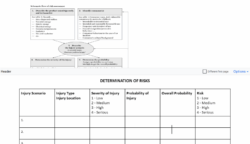
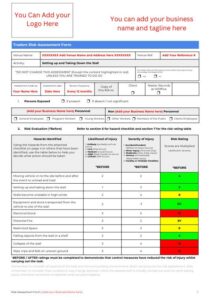
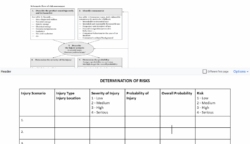
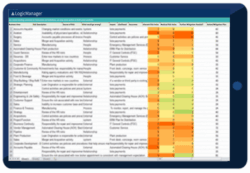
A core component of any strong template is a risk evaluation matrix. This usually involves assigning scores for both the likelihood of a hazard occurring and the severity of its potential impact. These scores can then be combined to determine an overall risk level (e.g., low, medium, high). Such a matrix helps to prioritize risks, focusing resources on those that pose the greatest threat. Clear guidelines for what constitutes “low” versus “high” likelihood and severity are essential for consistent application.
Finally, the template must include sections for outlining recommended control measures for each identified risk, specifying who is responsible for implementing these measures, and setting target completion dates. It should also have a space to record the residual risk after controls have been applied, and provisions for regular review dates. This ensures that safety is not a static consideration but an ongoing commitment. Consider including these key elements in your template:
* Product Identification and Description
* Identified Hazards (e.g., physical, chemical, electrical)
* Likelihood Score (e.g., Rare, Unlikely, Possible, Likely, Almost Certain)
* Severity Score (e.g., Minor, Moderate, Major, Catastrophic)
* Initial Risk Level (calculated from Likelihood x Severity)
* Recommended Control Measures and Mitigation Strategies
* Responsible Party for Implementation
* Target Completion Date
* Residual Risk Level (after controls)
* Review Date and Assessor Signature
Implementing a structured approach to product safety, guided by a well-designed consumer product risk assessment template, empowers businesses to not only meet their legal obligations but also to build a strong foundation of trust with their customers. It shifts the focus from reactive problem-solving to proactive prevention, safeguarding both individuals and brand integrity. This systematic discipline ensures that potential issues are identified and addressed long before they can escalate into costly and damaging incidents.
By consistently applying such a template throughout the product lifecycle, from initial concept to end-of-life, companies demonstrate an unwavering commitment to quality and safety. This continuous vigilance fosters a culture where safety is paramount, leading to more reliable products, fewer consumer complaints, and ultimately, a more sustainable and reputable business operation in the competitive marketplace.