The world of manufacturing and industry is rapidly evolving, with collaborative robots, often called cobots, becoming increasingly common on factory floors. These intelligent machines are designed to work alongside humans, augmenting capabilities and boosting productivity without traditional safety cages. Their ability to share workspace and interact directly with human operators is revolutionary, opening up new possibilities for automation in tasks that previously required extensive manual input or complex, expensive safety systems.

However, the very nature of their close proximity to human workers necessitates a thorough and diligent approach to safety. While cobots come with inherent safety features, their integration into a dynamic human environment introduces a unique set of considerations that must be meticulously evaluated. This is where a structured approach to safety becomes indispensable, ensuring that the benefits of collaborative robotics are realized without compromising the well-being of your invaluable workforce.
Understanding the Core Elements of a Cobot Risk Assessment
A comprehensive risk assessment for a collaborative robot is far more than just ticking boxes; it is a critical process that ensures a safe working environment. It involves systematically identifying potential hazards, evaluating the likelihood and severity of harm, and then implementing effective control measures to mitigate those risks. This assessment isn’t solely focused on the robot itself, but rather encompasses the entire collaborative workspace, including the human operator, the workpieces, the tooling, and the environmental factors that could influence safety.
It is crucial to understand that even with their advanced safety functionalities, cobots can still present risks if not properly integrated and managed. These risks can stem from unexpected robot movements, human error, tooling malfunctions, or even the interaction between the robot, the workpiece, and the operator. Therefore, a deep dive into every aspect of the collaborative cell is necessary to foresee and address potential issues before they become incidents.
Key Stages in the Risk Assessment Process
Embarking on a collaborative robot risk assessment requires a systematic approach. The initial stages are fundamental for laying a solid groundwork. This begins with a clear definition of the collaborative application – what tasks will the robot perform, what is its cycle time, and what is the nature of its interaction with humans? Understanding the specific operational parameters and the skill level of the human operators involved is paramount.
Following this, a thorough identification of hazards is the next critical step. This involves scrutinizing every component and process within the collaborative workspace. Consider not only direct contact hazards but also indirect ones that might arise from the robot’s operation or interaction with its environment. This detailed examination helps uncover potential sources of harm.
Here are some common categories of hazards to consider:
* Mechanical hazards such as crushing, shearing, or trapping points, especially with end effectors or moving parts
* Electrical hazards from power sources or faulty wiring
* Ergonomic hazards that could lead to strains or injuries for human operators interacting with the robot
* Process-related hazards, including sharp workpieces, hot materials, or dangerous substances manipulated by the robot
* Control system failures or unexpected robot movements due to programming errors
* Human error, such as operators bypassing safety mechanisms or improper interaction with the robot
Once hazards are identified, the next step involves evaluating the risk associated with each. This means assessing both the likelihood of an event occurring and the potential severity of the harm if it does. This evaluation helps prioritize risks and determine which control measures are most critical. Risk reduction strategies then come into play, following a hierarchy of controls from eliminating the hazard entirely to implementing personal protective equipment.
Implementing and Maintaining Your Collaborative Robot Risk Assessment
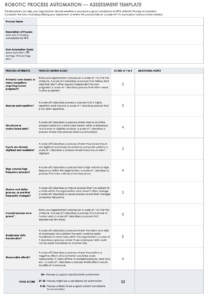
Having a robust collaborative robot risk assessment template is incredibly valuable, not just for the initial setup, but for the entire lifecycle of your cobot application. It provides a structured framework that guides you through the complexities of risk identification and mitigation, ensuring consistency and thoroughness. Using such a template helps standardize your safety procedures across different applications, making it easier to comply with relevant safety standards and regulations. It also acts as a clear record, demonstrating due diligence in protecting your workforce.
It is important to remember that a risk assessment is not a one-time event that you complete and then file away. The nature of collaborative robotics means that the work cell is often dynamic. Any changes to the robot’s programming, the tasks it performs, the tooling it uses, or even the human operator’s role can introduce new risks or alter existing ones. Therefore, regular reviews and updates of your risk assessment are absolutely essential to maintain a safe working environment. This iterative process ensures that safety remains a top priority as your collaborative application evolves.
Involving a diverse team in the risk assessment process is highly beneficial. Operators who work directly with the cobot can offer invaluable insights into potential hazards from a practical, day-to-day perspective. Engineers and automation specialists can provide technical expertise on the robot’s capabilities and limitations, while safety professionals can ensure compliance with industry standards and best practices. This collaborative approach fosters a comprehensive understanding of risks and encourages a culture of safety throughout your organization.
Here are key aspects that might trigger a review of your risk assessment:
* Any modifications to the robot’s programming or operational parameters
* The introduction of new end effectors or tooling
* Changes in the materials or workpieces being handled by the robot
* Updates to the operator’s tasks or their training status
* Any incidents, near misses, or unexpected robot behavior
* New safety regulations or industry standards that come into effect
Documenting your risk assessment findings thoroughly is non-negotiable. This documentation serves as a vital record, proving that a diligent assessment was conducted and appropriate control measures were implemented. It is also an essential tool for training new personnel and for communicating safety expectations to all team members involved in the collaborative workspace. By consistently applying and updating your collaborative robot risk assessment template, you build a foundation for sustained safe and efficient operations.
Ultimately, integrating collaborative robots into your operations brings significant advantages, but their safe deployment hinges on a proactive and detailed approach to risk management. A well-executed risk assessment, supported by a comprehensive collaborative robot risk assessment template, is the cornerstone of this process. It ensures that every potential hazard is considered, every risk evaluated, and every necessary control measure put into place, fostering an environment where humans and robots can work together harmoniously and productively.