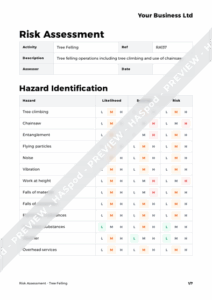
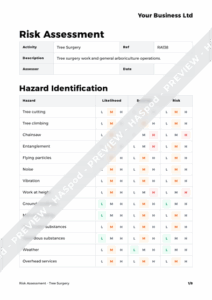
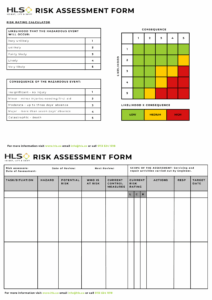
Embarking on tree work, whether you’re a seasoned arborist or managing a property with extensive landscaping, always comes with its share of potential dangers. It’s not just about cutting branches; it’s about navigating heights, heavy equipment, unpredictable natural elements, and the inherent risks of falling objects. Understanding and mitigating these hazards is not merely a good practice, but a critical component of ensuring safety for everyone involved, from the crew on site to passersby and the property itself.

This is where a robust and thoughtful approach to safety planning becomes indispensable. Proactive risk management can transform a potentially hazardous operation into a controlled and safe one. By systematically identifying what could go wrong and planning how to prevent it, you’re not just adhering to regulations; you’re cultivating a culture of safety that protects lives and livelihoods. Having a reliable tree work risk assessment template at your disposal is the first vital step in building this foundational safety framework.
Why a Detailed Risk Assessment is Your Best Friend in Tree Work
Think of a risk assessment as your personal safety roadmap, guiding you through the potential pitfalls of any tree-related task before you even touch a saw. It’s an organized way to spot dangers, figure out how likely and severe they are, and then put plans in place to keep everyone safe. Without this crucial step, you’re essentially working blind, exposing yourself and your team to unnecessary accidents that could easily be avoided. It’s about being smart, not just strong.
Ignoring the process of a thorough risk assessment can lead to serious consequences, from minor injuries to fatal accidents, not to mention costly property damage and significant legal repercussions. A well-executed assessment helps you identify the specific challenges of each unique site and tree, ensuring that your team is fully prepared for every eventuality. It moves you from a reactive stance, where you’re dealing with issues as they arise, to a proactive one, where you’ve already thought through and planned for potential problems.
This proactive approach is especially important given the dynamic nature of tree work. No two trees or work sites are exactly alike; weather conditions can change rapidly, and equipment can malfunction. A comprehensive assessment helps you account for these variables, making sure that your safety protocols are adaptable and effective. It fosters a mindset of continuous vigilance and ensures that safety remains at the forefront of every decision made on the job.
Key Steps in Identifying and Mitigating Hazards
Successfully conducting a risk assessment involves a methodical approach to uncovering potential problems and then strategizing solutions. It’s a process that demands attention to detail and an understanding of the specific environment you’re working in.
- Identify Hazards: What are the potential sources of harm? This could include sharp tools, falling branches, power lines, unstable ground, adverse weather, or even aggressive insects. Consider everything from the immediate work area to the surrounding environment.
- Determine Who Might Be Harmed and How: Are your crew members at risk of falls? Could a passerby be hit by debris? Is equipment likely to fail? Think about everyone who could be affected, including those not directly involved in the work.
- Evaluate the Risks and Decide on Precautions: How likely is it that a hazard will cause harm, and how severe would that harm be? Once you understand the risk level, decide what measures you can take to reduce or eliminate it. This might involve using personal protective equipment (PPE), erecting barriers, or implementing specific work procedures.
- Record Your Findings and Implement Them: Write down what you’ve found and the actions you plan to take. This record is vital for compliance and for communicating safety plans to your team.
- Review and Update: Risks can change, so your assessment should not be a one-time event. Regularly review your template and update it as conditions or tasks evolve.
Crafting Your Own Effective Safety Checklist
Creating a practical and usable safety checklist, often integrated within a comprehensive tree work risk assessment template, is about more than just ticking boxes. It’s about developing a living document that genuinely enhances safety awareness and operational efficiency. Your template should be designed to be intuitive, ensuring that even under pressure, team members can quickly reference and adhere to the established safety protocols. This means using clear language, logical flow, and accessible formats that promote consistent application across all projects.
An effective template should cover a broad spectrum of considerations, from the initial site inspection to the final cleanup. It needs to prompt you to think about everything from the condition of the tree itself – its species, health, and structural integrity – to the surrounding environment, including proximity to buildings, power lines, and public access. The goal is to leave no stone unturned, anticipating every possible scenario that could impact safety. This thoroughness is what elevates a basic checklist into a powerful risk management tool.
Beyond the environmental and tree-specific factors, your template should also address equipment readiness and personnel competency. It’s crucial to verify that all tools, from chainsaws to climbing gear, are in excellent working condition and that operators are properly trained and certified for their tasks. Furthermore, the template should include sections for emergency procedures, ensuring that everyone knows what to do in the event of an accident, from first aid response to contacting emergency services. This holistic approach builds resilience into your operations.
Ultimately, a well-developed tree work risk assessment template serves as a constant reminder of your commitment to safety. It’s not just paperwork; it’s a commitment to protecting your crew, your clients, and your business. Regularly using and refining this tool helps to embed safety culture deep within your operations, making it an integral part of every decision and action. This dedication to proactive safety management is what sets apart professional and responsible tree care providers.
Implementing a robust risk assessment process with a detailed tree work risk assessment template doesn’t just meet compliance standards; it dramatically elevates the safety and professionalism of your operations. It’s about fostering a culture where safety is paramount, ensuring that every project, big or small, is approached with diligence and foresight. By prioritizing proactive risk management, you safeguard your team, protect your assets, and build a reputation for reliability and responsibility in the industry.
Taking the time to plan, assess, and mitigate risks before beginning any tree work is an investment that pays dividends in safety, efficiency, and peace of mind. It’s the cornerstone of responsible tree care, allowing you to tackle challenging tasks with confidence, knowing that you’ve systematically addressed potential hazards. Embrace the power of thorough preparation, and you’ll find that your projects run smoother, safer, and with far fewer unexpected complications.