Ensuring the safety of machinery is not just a good practice; it is a legal imperative, especially within the European Union where the Machinery Directive sets stringent requirements. For anyone involved in designing, manufacturing, importing, or even just operating machinery, understanding and adhering to these regulations is paramount. This process often revolves around a thorough risk assessment, which can seem daunting without a clear roadmap.

That is where a structured approach becomes invaluable. A well-designed framework helps you systematically identify potential hazards, evaluate their risks, and implement effective protective measures. It is about moving from a complex directive to actionable steps that lead to safer operations and full compliance, streamlining what could otherwise be a labyrinthine task into a manageable and efficient process.
Understanding the Core of Machinery Safety and Compliance
At the heart of the Machinery Directive lies the principle that machinery must be safe by design and construction. This isn’t a suggestion; it’s a legal obligation for manufacturers and those placing machinery on the EU market. A comprehensive risk assessment is the cornerstone of demonstrating this compliance. It requires a deep dive into every aspect of a machine’s lifecycle, from its intended use and foreseeable misuse to maintenance and eventual decommissioning. The goal is not just to identify obvious dangers but to meticulously uncover hidden risks that could lead to injury or harm.
This systematic identification and evaluation process empowers you to make informed decisions about necessary safety measures. It’s about asking "what if" at every turn and then finding solutions before an incident occurs. Failing to conduct a thorough risk assessment can result in severe consequences, including workplace accidents, legal penalties, and significant reputational damage. Therefore, embracing this process is not merely about ticking a box; it is about fostering a culture of safety and responsibility.
Key Elements of a Comprehensive Risk Assessment Process
When embarking on a risk assessment, several critical steps ensure nothing is overlooked. Each stage builds upon the last, contributing to a robust safety profile for your machinery.
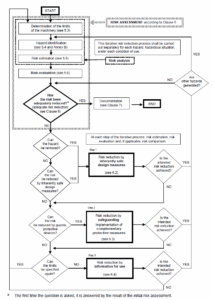
- **Hazard Identification:** This initial step involves systematically identifying all potential sources of harm associated with the machinery. Think about mechanical hazards like crushing points, electrical hazards, thermal hazards, noise, vibration, and even ergonomic risks. Consider all phases of the machine’s life, from assembly to operation and maintenance.
- **Risk Analysis and Estimation:** Once hazards are identified, you need to analyze the likelihood of harm occurring and the severity of that harm. This involves considering factors like exposure to the hazard, the frequency of that exposure, and the number of people potentially affected.
- **Risk Evaluation:** This stage compares the estimated risks against acceptable safety levels. It determines whether a risk is tolerable or if further protective measures are required. This decision-making process often involves comparing against standards or best practices.
- **Risk Reduction:** If risks are deemed unacceptable, you must implement measures to reduce them. The Machinery Directive emphasizes a hierarchy of controls, starting with eliminating the hazard through design, then applying engineering controls, followed by administrative controls, and finally, providing personal protective equipment.
- **Residual Risk Assessment and Documentation:** Even after implementing protective measures, some residual risks may remain. These must be identified, evaluated, and communicated to users. Comprehensive documentation of the entire risk assessment process is crucial for compliance and demonstrating due diligence.
This structured approach ensures that safety considerations are integrated into every stage of machinery development and use, leading to inherently safer equipment.
Why a Dedicated Template Transforms Your Compliance Journey
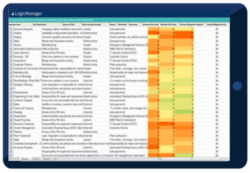
Navigating the complexities of the Machinery Directive and its risk assessment requirements can be a significant undertaking, even for experienced professionals. Without a structured framework, it is easy to overlook crucial steps, leading to inconsistencies, incomplete documentation, and ultimately, non-compliance. This is where a robust machinery directive risk assessment template truly shines, offering a clear, step-by-step guide that ensures thoroughness and consistency across all your machinery projects.
A well-designed template acts as your compliance blueprint, guiding you through each necessary phase of the risk assessment process. It prompts you to consider all relevant hazards, evaluate risks systematically, and document every decision and protective measure implemented. This level of organization not only saves a tremendous amount of time and effort but also significantly enhances the quality and defensibility of your risk assessments. It moves you from an ad-hoc approach to a professional, auditable system.
Furthermore, leveraging a template fosters a more uniform approach within your organization. When multiple teams or individuals are responsible for different machines, a standardized template ensures everyone is following the same best practices and meeting the same high safety standards. This consistency is vital for maintaining an overarching safety culture and demonstrating collective commitment to regulatory compliance. It simplifies training and makes peer review processes far more efficient and effective.
Consider the practical advantages of having a comprehensive machinery directive risk assessment template at your fingertips:
- **Structured Approach:** It provides a logical flow, ensuring no critical step is missed from hazard identification to residual risk communication.
- **Regulatory Alignment:** Templates are often designed to align directly with the requirements of the Machinery Directive, helping you meet legal obligations effortlessly.
- **Time and Resource Efficiency:** By providing predefined sections and prompts, it drastically reduces the time spent on creating assessment documents from scratch.
- **Improved Documentation Quality:** Ensures all necessary information is captured clearly and comprehensively, making it easier for audits and future reference.
- **Enhanced Communication:** A standardized format makes it easier for different stakeholders to understand and contribute to the risk assessment process.
- **Demonstration of Due Diligence:** Well-documented assessments serve as concrete evidence of your commitment to safety and compliance, crucial in the event of an incident or inspection.
Embracing such a template is not merely about simplifying compliance; it is about elevating your safety practices to a new level of professionalism and efficiency.
Ultimately, the goal of any risk assessment is to ensure the safety of those interacting with machinery while also ensuring compliance with legal requirements. By adopting a well-structured approach and utilizing tools designed to streamline this complex process, organizations can significantly improve their safety outcomes and operational efficiency. The systematic identification, evaluation, and mitigation of risks are foundational to creating a safe working environment and fostering trust among users and stakeholders.
Investing time in developing or adopting a robust framework for your machinery safety assessments pays dividends in reduced accidents, smoother operations, and greater peace of mind. It transforms a potential burden into a proactive strategy for excellence, demonstrating a genuine commitment to the wellbeing of every individual interacting with your equipment.