Working alone isn’t uncommon across a vast range of industries today. From care workers visiting clients’ homes to maintenance staff operating late at night, and from engineers in remote locations to retail employees opening or closing stores, countless individuals find themselves in situations where they are the sole employee present. While this arrangement offers flexibility and efficiency for businesses, it inherently introduces a distinct set of challenges and potential dangers that demand careful and proactive consideration.

Navigating these unique risks effectively is not just about good practice; it’s a fundamental aspect of employer responsibility and often a legal mandate. Understanding and mitigating the hazards associated with solitary work is crucial for ensuring the well-being of your staff. This is precisely where a structured approach becomes invaluable, and a comprehensive lone working risk assessment template can be an indispensable tool to guide you through the process, ensuring no critical aspect is overlooked.
Understanding Lone Working Risks and Why Assessment is Crucial
Lone working, at its core, refers to any situation where an individual works by themselves without direct supervision or immediate access to colleagues. This can encompass a wide variety of roles and environments, from office workers occasionally staying late to construction workers operating alone on a specific task, or even delivery drivers on their routes. The absence of others means that if an incident occurs, there is no one nearby to offer immediate assistance or raise an alarm, which significantly amplifies potential consequences.
The risks associated with lone working are often more pronounced than in team environments. What might be a minor inconvenience for a group could become a serious emergency for someone working alone. For instance, a fall in a busy office might quickly get noticed, but a fall for a lone worker in a remote warehouse could go unnoticed for hours, potentially leading to a much worse outcome. This heightened vulnerability underscores why a dedicated risk assessment is not just beneficial but absolutely vital.
Proactively identifying these potential risks before they manifest into an incident is paramount. It allows businesses to put preventative measures in place, provide appropriate training, and establish robust emergency procedures. Without a thorough assessment, employers are essentially operating in the dark, leaving their lone workers exposed to avoidable dangers and the business vulnerable to potential legal and reputational damage.
Identifying Common Lone Working Hazards
When approaching the task of creating a lone working risk assessment template, it’s helpful to categorize the types of hazards that are frequently encountered. This structured thinking ensures a comprehensive review and helps in developing targeted controls. These hazards can broadly fall into several categories, each requiring specific attention.
- Environmental Hazards: Risks posed by the physical surroundings, such as working at height, confined spaces, hazardous substances, extreme weather conditions, or unsafe equipment.
- Security Risks: Threats from third parties, including verbal abuse, physical assault, robbery, or encountering individuals under the influence of drugs or alcohol. This is particularly relevant for those working with the public or in isolated areas.
- Medical and Health Risks: The potential for a sudden illness or medical emergency, such as a heart attack, stroke, or severe allergic reaction, without immediate help. Also includes risks from pre-existing conditions.
- Psychological Hazards: Stress, anxiety, isolation, or feeling unsafe due due to the nature of the work or the lack of companionship, which can impact mental well-being and decision-making.
- Workload and Fatigue: Working alone can sometimes lead to increased workload pressure or extended hours, contributing to fatigue and a higher chance of error or incident.
Understanding these common hazards helps employers meet their legal and ethical obligations to protect their workforce. It is not merely about ticking boxes; it is about genuinely caring for the safety and well-being of every employee, especially those who often operate without a direct support network by their side.
Building Your Effective Lone Working Risk Assessment Template
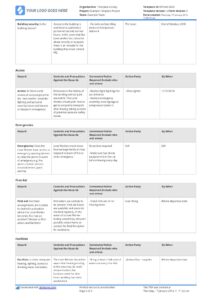
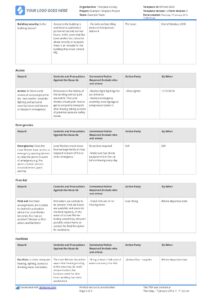
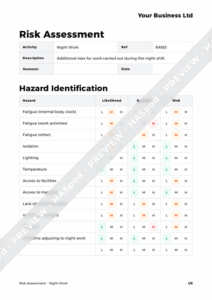
Once you understand the ‘why’ behind assessing lone working risks, the next step is to tackle the ‘how’. This is where an effective lone working risk assessment template comes into its own. A well-designed template acts as a structured framework, guiding you through each necessary step of the assessment process. It ensures consistency across different roles and departments and helps to standardize your approach to lone worker safety. Rather than starting from scratch every time, a template provides a solid foundation that can be adapted to specific situations.
A good template will typically walk you through the five key steps of risk assessment. These steps are universally applicable but gain particular importance when considering lone workers.
- Identify the Hazards: Begin by listing all potential hazards specific to the lone working role and environment. Think about the common hazards discussed earlier and apply them to the specific job.
- Identify Who Might Be Harmed and How: Consider not just the lone worker, but also any other people who might be affected by their actions or by incidents involving them, such as customers or the public. Detail the potential harm that could occur.
- Evaluate the Risks and Decide on Precautions: Assess the likelihood of each identified hazard occurring and the severity of the potential harm. Then, determine what measures are already in place and what additional precautions are needed to eliminate or control the risks.
- Record Your Findings: Document all the hazards, who is at risk, the control measures, and any residual risks. This record is crucial for demonstrating compliance and for future reference.
- Review and Update Regularly: Risk assessments are not a one-off task. They need to be reviewed periodically, especially if there are changes to the work environment, tasks, equipment, or personnel.
The beauty of using a lone working risk assessment template is its adaptability. While it provides a structured format, it must also be flexible enough to be tailored to the unique circumstances of each lone worker. A template for a security guard working nights will differ significantly from one for a community nurse making home visits. Take the time to customize the template with specific job roles, locations, equipment used, and emergency procedures relevant to your business.
Remember that the template is a living document. It should evolve with your business and with feedback from your lone workers themselves. Regular reviews, perhaps annually or after any incident, ensure that the safety measures remain relevant and effective. Engaging your lone workers in the review process can also provide invaluable insights into real-world risks and the practicality of proposed controls, fostering a culture of shared responsibility for safety.
Ensuring that every lone worker understands the risks associated with their role and the safety measures in place is a critical component of any effective safety strategy. Providing comprehensive training and clear communication about emergency procedures and reporting mechanisms will empower them to work safely and confidently. It ultimately leads to a more secure and productive work environment for everyone.