Working alone, while often a necessity in many industries, introduces a unique set of challenges that demand careful consideration for safety. From field service technicians and overnight security guards to home healthcare providers and remote office workers, millions of individuals carry out their duties without direct supervision. Ensuring their well-being isn’t just a moral imperative; it’s a fundamental aspect of responsible business practice, preventing potential accidents, injuries, and even long-term health issues.

Navigating the complexities of lone worker safety can feel daunting, especially with varying job roles and environments. This is where a structured approach becomes invaluable. By utilizing a comprehensive working alone risk assessment template, organizations can systematically identify potential hazards, evaluate risks, and implement effective control measures, transforming a potentially vulnerable situation into a managed and secure one. It’s about being proactive, not reactive, when it comes to the safety of your most valuable asset: your people.
Why a Working Alone Risk Assessment Template is Essential for Your Business
For any organization employing individuals who work alone, understanding and mitigating the associated risks isn’t just good practice; it’s often a legal requirement. Employers have a duty of care to ensure the health, safety, and welfare of all their employees, and this responsibility extends unequivocally to those working without immediate colleagues. Ignoring these risks can lead to serious incidents, regulatory fines, reputational damage, and, most importantly, harm to your employees. A robust working alone risk assessment template provides a clear framework to address these obligations systematically.
The dangers faced by lone workers are incredibly diverse, spanning physical, psychological, and environmental categories. Physically, they might encounter risks from machinery, hazardous substances, aggressive individuals, or even simple slips and falls without anyone to assist. Psychologically, isolation, stress from lack of immediate support, or the pressure of making critical decisions alone can take a significant toll. Environmental factors, such as remote locations, severe weather, or inadequate lighting, further compound these vulnerabilities.
Implementing a standardized working alone risk assessment template ensures that no stone is left unturned in identifying these varied hazards. It guides you through a structured process, prompting consideration of every aspect of a lone worker’s job, from the specific tasks they perform to the environment in which they operate. This methodical approach helps in uncovering risks that might otherwise be overlooked, leading to a more comprehensive and effective safety strategy.
Key Components of an Effective Template
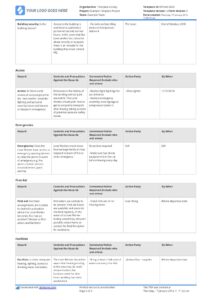
An effective template is more than just a checklist; it’s a dynamic tool that helps you create a living document for safety management. It should guide you through several crucial stages, ensuring a thorough evaluation and actionable outcomes.
- Identification of Lone Workers: Clearly define who your lone workers are and in what circumstances they operate.
- Tasks Performed: Detail the specific tasks and duties undertaken by these individuals.
- Potential Hazards: Brainstorm all possible hazards associated with those tasks and environments, including physical, psychological, and environmental risks.
- Existing Control Measures: Document any safety protocols or equipment already in place to mitigate these hazards.
- Risk Evaluation (Severity and Likelihood): Assess the potential severity of harm and the likelihood of it occurring for each identified risk.
- Action Plan: Outline additional control measures needed, who is responsible for implementing them, and by when.
- Review Dates: Establish a schedule for regular review and updates of the assessment.
By systematically addressing each of these components, your business can build a solid foundation for protecting its lone workers, ensuring that safety is not just an aspiration but a tangible reality supported by clear procedures.
Developing and Implementing Your Working Alone Safety Protocol
Once you’ve identified the risks using your working alone risk assessment template, the next crucial step is to develop and implement a comprehensive safety protocol. This isn’t a one-time task but an ongoing commitment to employee well-being. The insights gained from your risk assessment form the bedrock of your safety plan, dictating the specific measures needed to protect those working without direct supervision.
Begin by reviewing the action plan generated from your risk assessment. Prioritize risks based on their severity and likelihood, focusing on those that pose the greatest threat. Your safety protocol should then detail the specific control measures you will introduce or enhance. This might involve technological solutions like GPS tracking, panic buttons, or regular check-in apps; procedural changes such as buddy systems for high-risk tasks or defined communication schedules; and environmental improvements like better lighting or secure access points.
It’s vital to remember that a safety protocol is only as effective as its implementation. This includes not only putting the measures in place but also ensuring that all lone workers are fully aware of them and trained on their use. Clear communication channels must be established, allowing lone workers to report concerns, incidents, or near misses without hesitation. Regular safety briefings and refresher training sessions are key to keeping safety protocols top of mind and adapting them as conditions evolve.
Furthermore, a robust safety protocol must incorporate mechanisms for ongoing monitoring and review. The workplace isn’t static; new tasks emerge, environments change, and technology advances. Therefore, your safety measures need to be flexible and capable of adaptation. Schedule regular audits of your lone worker safety procedures, gather feedback from employees, and be prepared to update your working alone risk assessment template and corresponding protocols as necessary to reflect current realities and best practices. This iterative approach ensures continuous improvement in protecting your workforce.
A proactive and well-documented approach to lone worker safety is a clear indicator of an organization’s commitment to its employees. By thoroughly identifying potential risks and implementing a robust safety protocol based on the insights from your assessments, you create a safer, more secure environment for everyone. This dedication not only safeguards individuals but also fosters a culture of trust and responsibility throughout your entire organization, enhancing morale and productivity. Ultimately, investing in comprehensive lone worker safety measures is an investment in the long-term success and sustainability of your business.