Working in confined spaces presents some of the most challenging and dangerous situations in any industry. Imagine a space that’s difficult to get into or out of, where the air might be toxic, or there’s a risk of being engulfed by a substance. These aren’t just theoretical dangers; they’re very real threats that demand meticulous planning and an unwavering commitment to safety. Ignoring the potential hazards within these environments can lead to serious injuries, fatalities, and significant legal repercussions for organizations.

That’s precisely why a structured approach to identifying and mitigating these risks isn’t just a good idea, it’s absolutely essential. Before anyone even thinks about entering such an area, a comprehensive understanding of every possible danger must be established. This is where a robust framework comes into play, guiding you through the critical steps needed to protect your workforce. It ensures nothing is overlooked and that every potential hazard is addressed systematically, making safety a non-negotiable priority.
Understanding Confined Spaces and Their Inherent Dangers
To truly grasp the importance of a confined space hazard assessment template, we first need to get a clear picture of what a confined space actually entails and why it’s so inherently risky. Think about tanks, silos, pits, sewers, tunnels, or even large pipes – these are all common examples. What they share is a limited means of entry and exit, they’re not designed for continuous human occupancy, and they’re often large enough for someone to enter and perform work. It’s these specific characteristics that elevate their danger profile significantly.
The dangers lurking within these spaces are diverse and can be incredibly subtle. One of the most common and immediate threats is atmospheric hazards. This could mean a lack of oxygen, an excess of oxygen (which increases flammability), or the presence of toxic or flammable gases like hydrogen sulfide, carbon monoxide, or methane. Beyond the air we breathe, there are physical hazards such as engulfment by loose materials like grain or sand, mechanical dangers from rotating machinery, electrical hazards, or even extreme temperatures. Understanding these potential threats is the first critical step towards ensuring safety.
It’s not just about identifying *a* hazard, but *all* potential hazards, and how they might interact. For instance, a small leak in a pipe combined with poor ventilation could quickly turn a relatively innocuous space into a deadly gas chamber. The limited access also complicates rescue efforts, turning a simple emergency into a complex, high-stakes operation. This is why a simple mental checklist isn’t enough; a detailed, written assessment is paramount to cover all bases and ensure every team member understands the risks involved.
Key Characteristics of a Confined Space
- Limited or restricted means for entry or exit.
- Large enough for an employee to enter and perform assigned work.
- Not designed for continuous employee occupancy.
Because of these complexities, a thorough and systematic evaluation is non-negotiable. It’s about more than just compliance; it’s about providing a safe working environment and protecting human lives. Every confined space has its unique set of challenges, and a generic approach simply won’t cut it. Each assessment must be tailored, comprehensive, and meticulously documented to effectively manage these critical environments.
How a Confined Space Hazard Assessment Template Protects Your Team
So, you understand the dangers. Now, how do you actively mitigate them and ensure everyone goes home safe? This is where a well-designed confined space hazard assessment template becomes an indispensable tool. It provides a structured, step-by-step process that guides you through identifying, evaluating, and controlling hazards before, during, and after entry. It transforms what could be an overwhelming task into a manageable series of actions, ensuring consistency and thoroughness across all confined space entries.
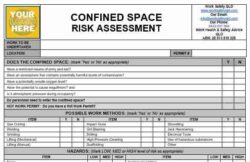
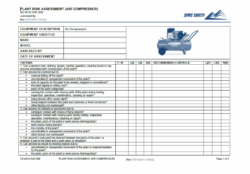
Think of the template as your safety roadmap. It typically starts with space identification details, moving into a comprehensive checklist for various types of hazards—atmospheric, physical, mechanical, chemical, and biological. It then prompts you to evaluate the risk level for each identified hazard and, crucially, to document the specific control measures you’ll implement. These controls might include ventilation, lockout/tagout procedures, specific personal protective equipment (PPE), or even standby rescue services. This systematic approach ensures no critical step is missed.
One of the biggest benefits of using a standardized confined space hazard assessment template is the way it promotes clear communication and accountability. Everyone involved, from the entry supervisor to the attendant and the entrants themselves, understands the identified risks and the agreed-upon safety protocols. It acts as a live document during the planning phase, ensuring that all necessary permits are issued and that emergency response plans are clearly defined and communicated. This proactive approach significantly reduces the likelihood of incidents.
Furthermore, a robust template doesn’t just address immediate risks; it helps build a culture of continuous improvement. By documenting each assessment, you create a historical record that can be reviewed, learned from, and updated. This ongoing process helps to refine safety procedures over time, making future entries even safer. Ultimately, utilizing a comprehensive confined space hazard assessment template isn’t just about meeting regulatory requirements; it’s about safeguarding your most valuable asset: your employees, and ensuring operations can proceed with the highest degree of safety confidence.
- Space Identification Details (location, type, entry points).
- Hazard Identification Checklist (atmospheric, physical, mechanical, chemical, biological).
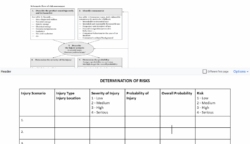
- Risk Evaluation and Scoring.
- Control Measures (engineering, administrative, PPE).
- Emergency Response and Rescue Plan.
- Entry Permit System Integration.
- Sign-offs and Approvals.
Prioritizing safety in confined spaces isn’t merely a matter of compliance; it’s a fundamental ethical responsibility. The intricate nature of these environments demands a level of foresight and planning that goes beyond casual observation. By adopting and rigorously applying a detailed confined space hazard assessment template, organizations can systematically dismantle potential threats, ensuring that every entry is as safe as humanly possible. It’s an investment not just in operational efficiency, but in the well-being and lives of every individual involved.
Embracing such a structured approach empowers teams to anticipate challenges, implement effective controls, and react swiftly and appropriately should an unforeseen event occur. It transforms risk from an unknown variable into a managed process, reinforcing a proactive safety culture that protects your workforce and bolsters your organization’s commitment to excellence. Ultimately, the systematic use of a comprehensive assessment tool is the cornerstone of responsible confined space management.