Bed rails are a common feature in healthcare settings and even some home care environments, primarily intended to enhance patient safety by preventing falls and assisting with repositioning. They can offer a sense of security for individuals who are frail, disoriented, or have limited mobility, providing a physical barrier that helps keep them safely in bed. For caregivers, bed rails often seem like an obvious and practical tool to ensure peace of mind for both the patient and their support team.
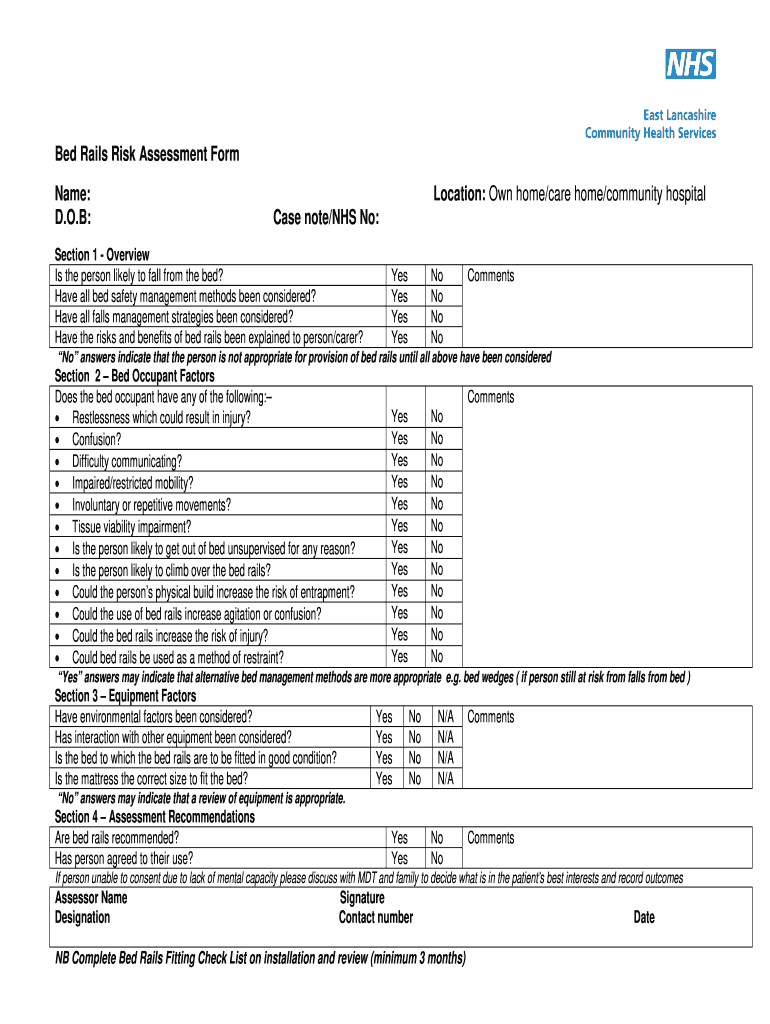
However, the use of bed rails isn’t without its complexities. While designed to protect, they can inadvertently introduce new hazards if not properly assessed and managed. Understanding these potential risks is crucial for anyone involved in patient care, as it ensures that the very device meant to safeguard an individual does not become a source of harm. This is where a comprehensive bed rail risk assessment template becomes an indispensable tool.
Understanding the Need for Bed Rail Safety
The primary goal of using bed rails is to promote safety and independent mobility. They can be invaluable for patients recovering from surgery, those with certain neurological conditions, or individuals who might attempt to exit the bed unassisted but lack the physical ability to do so safely. When used correctly, bed rails can facilitate safe movement within the bed, offering something to grip onto when turning or sitting up. They contribute significantly to fall prevention strategies in many clinical contexts, reducing the likelihood of a person accidentally rolling out of bed during sleep or periods of confusion.
Despite their apparent benefits, bed rails carry significant potential risks that demand careful consideration. The most critical concern is entrapment, where a patient’s head, neck, or limbs can become wedged between the bed rail and mattress, or between gaps within the rail itself. This can lead to serious injuries, suffocation, or even death. Furthermore, individuals might attempt to climb over the rails, leading to a fall from an even greater height than if no rails were present, often resulting in more severe injuries.
Other dangers include skin integrity issues from prolonged contact with rails, psychological impact such as a feeling of being confined or restrained, and delayed access for the individual to reach personal items or the call bell. The decision to use bed rails should never be automatic but rather the outcome of a thoughtful, individualized assessment that weighs potential benefits against these very real hazards. A one-size-fits-all approach to bed rail usage is never appropriate and can lead to adverse outcomes.
Key Risk Factors to Consider
- Patient’s physical condition and mobility, including strength, balance, and ability to move freely.
- Cognitive status and ability to understand instructions or respond to stimuli.
- Bed type, mattress specifications, and their compatibility with the chosen bed rail system.
- Bed rail design, ensuring proper installation, secure locking mechanisms, and no hazardous gaps.
- Environment around the bed, including space for transfers, call bell accessibility, and lighting.
A proactive approach to identifying and mitigating these risks is paramount. It involves not just looking at the bed rails themselves, but also the person using them, their surrounding environment, and the specific care plan in place. This holistic view is fundamental to ensuring safety and dignity.
Developing and Implementing Your Risk Assessment Protocol
Creating a robust risk assessment protocol for bed rail usage is a vital step in any care setting, whether institutional or private. It moves beyond a simple checklist, encouraging a dynamic and responsive approach to patient safety. The process should begin with a thorough initial assessment of the individual, considering their unique medical history, cognitive function, physical capabilities, and behavioral patterns. Are they prone to agitation or delirium? Do they have a history of falls? Can they communicate their needs effectively? These questions lay the groundwork for informed decision-making regarding bed rail implementation.
Once a baseline is established, the assessment must extend to the specific bed and rail system being considered. This involves checking for compliance with safety standards, ensuring the rails are compatible with the mattress, and verifying that there are no gaps that could pose an entrapment risk. Regular maintenance and checks of the bed rails are also crucial to ensure they remain in good working order and continue to function as intended. Any signs of wear, damage, or loose components should be addressed immediately to prevent potential harm.
The implementation of bed rails should always be accompanied by a clear care plan that outlines when and how they should be used, along with strategies for monitoring the individual. This plan should also include alternatives or modifications if the initial assessment indicates high risk, such as low beds, sensor mats, or increased supervision. Crucially, the assessment is not a one-time event; it’s an ongoing process. Patient conditions can change rapidly, necessitating frequent re-evaluations to ensure the continued appropriateness of bed rail use.
- Identify the individual’s specific needs, physical limitations, and potential risks associated with bed rails.
- Evaluate the bed rail system itself for proper fit, secure installation, and adherence to safety standards.
- Implement appropriate interventions and consider alternatives if bed rails pose too high a risk.
- Regularly review and update the assessment based on changes in the individual’s condition or environment.
Effective communication among all caregivers is essential to maintain consistency and ensure everyone understands the rationale behind the bed rail decision and the chosen protocol. Training on proper bed rail use, risk identification, and emergency procedures is also a cornerstone of a safe environment. By adopting a detailed bed rail risk assessment template, care providers can systematically identify, evaluate, and mitigate risks, ultimately fostering a safer environment that prioritizes the well-being of those under their care.
Thoughtful and consistent application of a comprehensive risk assessment strategy ensures that bed rails are used as a beneficial support rather than a potential hazard. This commitment to ongoing evaluation and adaptation is what truly safeguards individuals and promotes their comfort and dignity. It reflects a dedication to providing the highest standard of care, always keeping the individual’s safety at the forefront of every decision.