Achieving that perfectly manicured, vibrant green lawn often feels like a secret known only to professional landscapers. We’ve all been there, admiring a neighbor’s lush turf while our own struggles with uneven growth or dry patches. The truth is, a beautiful lawn isn’t a mystery; it’s the result of consistent, well-timed care, and that all starts with a smart mowing routine.

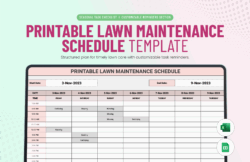
Just like any successful project, maintaining your lawn benefits immensely from a clear plan. While weather and growth rates can throw curveballs, establishing a reliable weekly rhythm for your lawn care tasks can make a world of difference. That’s where a well-thought-out weekly lawn mowing schedule template comes in handy, helping you stay on track and ensuring your yard always looks its best.
Crafting Your Perfect Weekly Mowing Routine
So, why weekly? For most grass types during their active growing season, mowing once a week is often the sweet spot. This frequency helps keep your lawn at a consistent, healthy height, which encourages dense growth and can actually deter weeds by shading them out. Regular trims also stress the grass less than infrequent, drastic cuts, leading to a stronger, more resilient lawn that can better withstand environmental challenges. Plus, if you’re mowing weekly, you can often leave the clippings on the lawn (mulching), returning valuable nutrients to the soil.
When you’re putting together your personal weekly lawn mowing schedule template, it’s important to consider a few key factors that are unique to your yard. Think about your specific grass type; cool-season grasses (like fescue or bluegrass) might need more frequent cuts in spring and fall, while warm-season varieties (like Bermuda or Zoysia) thrive with more attention in the heat of summer. Your local climate and typical rainfall also play a role, as does your own availability. Choosing a day and time that works consistently for you will be crucial for sticking to the plan.
Essential Elements of Your Weekly Schedule
- **Choose a Consistent Day and Time:** Dedicate a specific day and time each week for mowing. This creates a routine that becomes easier to follow, like a Saturday morning ritual or a Tuesday evening task.
- **Prepare Your Mower:** Before you start, ensure your mower blades are sharp. Dull blades tear the grass, making it susceptible to disease and giving it a ragged appearance.
- **Walk the Lawn First:** Take a quick stroll to clear any debris like sticks, toys, or rocks that could damage your mower or be flung dangerously.
- **Mow at the Right Height:** Avoid cutting more than one-third of the grass blade’s height at a time. This rule is vital for grass health. Most lawns do best when kept between 2.5 to 3 inches tall, but check recommendations for your specific grass type.
- **Clipping Management:** Decide if you’ll mulch the clippings back into the lawn (recommended for nutrient return, especially with weekly mowing) or bag them.
- **Edge and Trim:** After mowing, use a string trimmer or edger to tidy up around driveways, walkways, flowerbeds, and fences for that professional, crisp look.
- **Clean Up:** Blow or sweep grass clippings off hard surfaces back onto the lawn or into flowerbeds to prevent them from washing into storm drains.
Sticking to these steps each week transforms lawn care from a daunting chore into a manageable routine. Having a clear weekly lawn mowing schedule template not only ensures a beautiful lawn but also saves you time in the long run by preventing overgrowth and making each mowing session more efficient. It’s about creating habits that benefit both your lawn and your peace of mind.
Beyond Just Mowing: Optimizing Your Weekly Lawn Care
While mowing is the star of your weekly lawn maintenance, it’s also an excellent opportunity to perform quick visual inspections and integrate other light tasks that contribute to your lawn’s overall health. Think of your weekly mowing session not just as cutting grass, but as your primary check-in with your entire yard. This holistic approach ensures that small issues don’t become big problems, keeping your green space vibrant and thriving.
Watering is another critical component that works hand-in-hand with your mowing schedule. While you might not water every week, knowing your mowing day can prompt you to assess your lawn’s moisture levels. Deep, infrequent watering (about 1 inch per week, including rainfall) is generally better than shallow daily watering. If your mowing day reveals dry, stressed grass, it’s a good reminder to schedule a thorough watering session for the following day or two, ideally in the early morning to minimize evaporation.
Fertilization and weed control typically aren’t weekly tasks, but your regular mowing gives you the perfect chance to spot emerging weeds or signs of nutrient deficiency. Noticing a patch of dandelions or yellowing grass during your weekly mow can prompt you to apply a spot treatment or plan your next scheduled fertilizer application. This proactive approach, spurred by your consistent presence in the yard, helps maintain optimal health without needing a separate "inspection" day.
To truly optimize your weekly routine, consider adding these quick checks and tasks:
- **Inspect for Pests or Diseases:** While mowing, keep an eye out for any unusual spots, discoloration, or insect activity. Early detection can prevent widespread damage.
- **Check Sprinkler System:** If you have an irrigation system, do a quick visual check for any broken or misaligned sprinkler heads.
- **Quick Trim of Shrubs/Hedges:** If you have smaller shrubs or hedges near your lawn, a quick trim of stray branches can be done during your mowing session.
- **Blow Leaves/Debris from Hard Surfaces:** Even if it’s not leaf-blowing season, a quick pass with a blower on your driveways and walkways after mowing keeps things tidy.
Integrating these quick observations and tasks into your weekly routine means you’re constantly monitoring and responding to your lawn’s needs. This consistent engagement, guided by your dedicated weekly lawn mowing schedule template, builds a resilient and beautiful landscape over time. It’s about developing a habit of care that reaps continuous rewards.
Adopting a structured approach to your lawn care, particularly by using a reliable schedule, simplifies what can often feel like a complex and never-ending task. By breaking it down into manageable weekly steps, you ensure consistency, which is the true secret to a healthy, envy-worthy lawn. The pride of a well-maintained yard, lush and inviting, is well worth the consistent effort.
With a little planning and regular attention, you’ll transform your outdoor space into a personal oasis. The satisfaction of stepping out onto a perfectly manicured lawn, knowing you’ve nurtured it with care, is an incredibly rewarding experience.