Keeping your lawn looking its best is a rewarding experience, and a big part of that success comes from a healthy, well-maintained lawn mower. Just like any hardworking tool, your mower needs a little TLC to perform efficiently and last for years. Ignoring regular upkeep can lead to frustrating breakdowns, poor cutting performance, and costly repairs, turning your peaceful yard work into a dreaded chore.
That’s why having a clear plan for your mower’s care is so important. Instead of waiting for a problem to arise, a proactive approach ensures your equipment is always ready for action. Think of it as preventative medicine for your machine. By following a simple, organized guide, you can significantly extend your mower’s lifespan, improve its performance, and save yourself time and money in the long run.
Why a Regular Lawn Mower Maintenance Schedule Template Is Your Best Friend
Adopting a consistent maintenance routine for your lawn mower isn’t just about avoiding mechanical failures; it’s about maximizing its efficiency and ensuring a consistently beautiful cut for your lawn. A well-cared-for machine uses less fuel, starts more easily, and operates more smoothly, making your yard work less of a struggle. It also contributes to a cleaner cut, which is healthier for your grass, preventing tearing and disease. Without a structured approach, it’s easy to forget crucial tasks until it’s too late.
Many people feel intimidated by mower maintenance, assuming it requires complex mechanical skills. However, the majority of tasks are quite straightforward and can be easily handled by anyone with a few basic tools and a bit of guidance. A good lawn mower maintenance schedule template breaks down these tasks into manageable steps, making the entire process less daunting and more achievable. It serves as your personal checklist, ensuring no important detail is overlooked, whether you’re a seasoned gardener or new to lawn care.
Consistency is key. Performing small, regular checks and tasks is far more effective than trying to fix a big problem that could have been prevented. This proactive strategy not only keeps your mower in top shape but also helps you identify potential issues before they escalate, often saving you from more expensive repairs down the line. It’s about building good habits that pay off every time you fire up your engine.
Seasonal and Frequency-Based Tasks
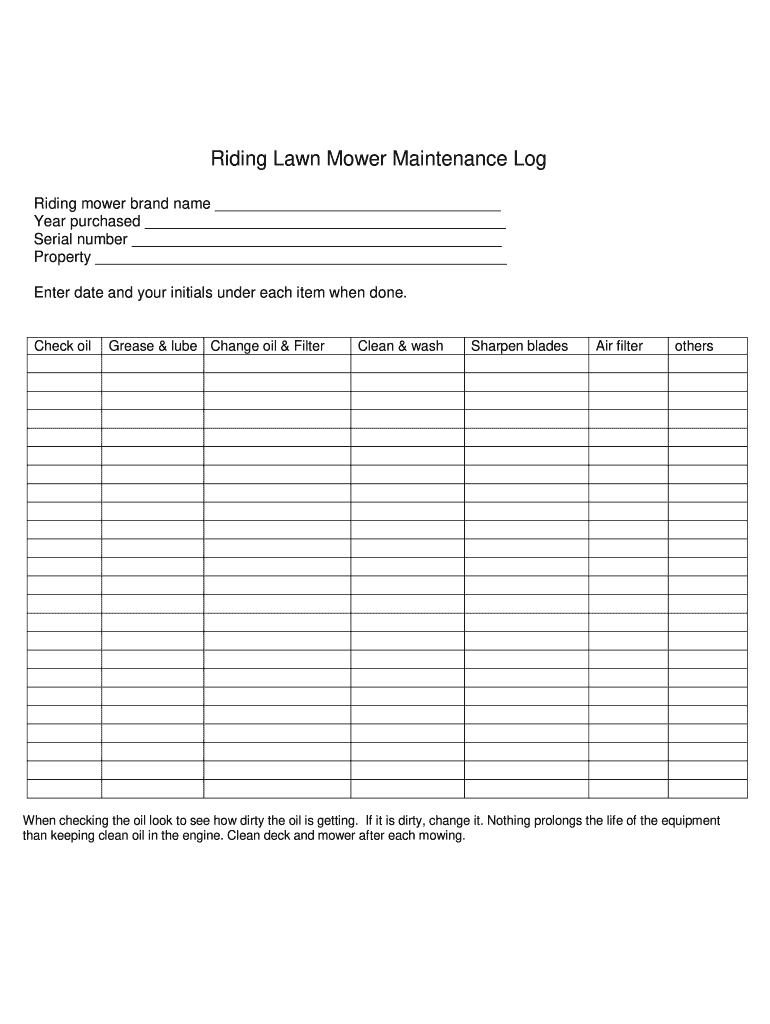
To help you stay on track, here’s a breakdown of common maintenance tasks you’ll want to include in your own lawn mower maintenance schedule template:
Every Time You Mow:
- Check engine oil level (for 4-stroke engines).
- Inspect the cutting deck for grass clippings and debris; clean as needed.
- Check fuel level.
- Ensure all safety guards and shields are in place and secure.
Monthly or Every 25 Operating Hours:
- Clean or replace the air filter. A dirty filter can choke your engine.
- Inspect the spark plug; clean it or replace it if it’s fouled or worn.
- Sharpen or replace the mower blade. A dull blade tears grass, leaving it susceptible to disease.
- Check tire pressure (for riding mowers) and inspect for wear.
- Lubricate moving parts, such as wheel axles and control cables, according to your owner’s manual.
Annually or Before Storage/Start of Season:
- Change the engine oil (for 4-stroke engines).
- Replace the fuel filter.
- Clean the fuel tank and lines. Consider adding a fuel stabilizer if storing for extended periods.
- Inspect all belts for wear, cracks, or tension issues; replace if necessary.
- Thoroughly clean the entire mower, including the engine cooling fins.
- Check and adjust valve clearances (refer to your owner’s manual, or consider professional service).
Putting Your Maintenance Plan into Action
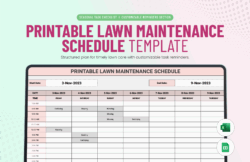
Having a comprehensive maintenance schedule is one thing, but consistently following it is where the real benefit lies. The best way to ensure you stick to your plan is to integrate these tasks into your regular routine. For instance, make it a habit to clean the deck every time you finish mowing, or dedicate a specific weekend each month to tackle the more in-depth checks. You might even find it helpful to print out your personalized lawn mower maintenance schedule template and post it in your garage or shed where it’s easily visible.
Gathering the necessary tools beforehand will also make the process much smoother. You’ll typically need items like a socket wrench set, spark plug wrench, wire brush, rags, a blade sharpener or replacement blade, engine oil, an air filter, and appropriate safety gear such as gloves and eye protection. Having these readily available means you won’t have to search for them each time a task comes up, removing a potential barrier to your maintenance efforts.
Consider the seasons as natural checkpoints for major maintenance. Before the first cut of spring, give your mower a thorough going-over, addressing all the annual tasks to ensure it’s in peak condition for the busy season ahead. Similarly, as autumn approaches and you prepare to store your mower for the winter, performing end-of-season maintenance, such as changing the oil and stabilizing the fuel, will protect it from corrosion and ensure it starts up without a hitch next spring.
Always prioritize safety during any maintenance work. Make sure the engine is off and cool, disconnect the spark plug wire to prevent accidental starts, and wear appropriate protective gear. If you’re working on the underside of the mower, use a stable lift or ramp and ensure it’s securely supported. Familiarize yourself with your specific mower’s owner’s manual, as it contains crucial information tailored to your model.
A little proactive care for your lawn mower goes a long way. By embracing a systematic approach to maintenance, you not only extend the life of your equipment but also guarantee a more pleasant and effective mowing experience. This diligence helps you maintain a pristine lawn with less effort and fewer unexpected interruptions.
So, take a moment to review your mower’s needs and set up a routine that works for you. Your lawn and your wallet will thank you for it. By taking charge of your mower’s upkeep, you’re investing in the longevity and performance of a crucial tool, ensuring your yard remains the envy of the neighborhood year after year.