We’ve all been there: staring at a wilting leaf or, conversely, spotting gnats around an overly damp pot, wondering if we’re doing this whole indoor plant thing right. Watering is arguably the most critical aspect of plant care, yet it’s also the one that causes the most anxiety for new and experienced plant parents alike. Finding that perfect balance between too much and too little can feel like a mystery, leading to cycles of feast or famine for your green companions.
But what if you didn’t have to guess? What if you had a clear, consistent plan that took the guesswork out of watering, ensuring your plants get exactly what they need, when they need it? That’s precisely where a well-thought-out system comes into play, transforming your plant care routine from a stressful chore into a satisfying act of nurturing.
Understanding Your Plant’s Thirst: More Than Just a Date
When it comes to watering, there’s no single magic number or date that works for every plant in every home. A truly effective watering system goes beyond simply picking a day of the week and sticking to it. Instead, it involves understanding the unique needs of each plant and how its environment influences its thirst. Think of it less as a rigid timetable and more as a dynamic guide that helps you tune into your plant’s signals.
Different plant species have dramatically different water requirements. A succulent, native to arid environments, thrives on infrequent, deep watering with long dry spells in between. On the other hand, a tropical fern, accustomed to a humid forest floor, prefers consistent moisture and will quickly show distress if its soil dries out too much. Understanding these fundamental differences is the first step in creating a tailored approach.
Beyond the plant itself, its immediate surroundings play a huge role. A plant sitting in a sunny window will transpire water much faster than one in a shadier spot. Similarly, a plant in a room with low humidity, especially during winter with heating systems running, will dry out quicker than one in a naturally more humid environment. The size and material of the pot also matter; a small terracotta pot will wick away moisture and dry out much faster than a large plastic pot.
Even the soil you use can dictate watering frequency. A chunky, well-draining mix designed for aroid plants will dry faster than a dense, moisture-retentive potting soil. The goal isn’t to water on a calendar schedule, but to water when the plant genuinely needs it, taking all these factors into account.
Key Factors Influencing Watering Needs
- Plant Species: Succulents, cacti, and ZZ plants tolerate drought, while ferns, peace lilies, and calatheas prefer consistent moisture.
- Light Exposure: Plants in bright, direct light dry out faster than those in low light conditions.
- Humidity Levels: Higher humidity means slower evaporation from soil and leaves.
- Pot Material and Size: Terracotta pots are porous and dry faster than plastic or glazed ceramic. Larger pots retain moisture longer than smaller ones.
- Soil Type: Fast-draining soil mixes (with perlite, bark) require more frequent watering than heavy, moisture-retaining soils.
- Seasonal Changes: Plants typically need less water during their dormant winter months and more during active growth in spring and summer.
By considering these variables, you move from arbitrary watering to informed plant care, setting the stage for a thriving indoor jungle.
Crafting Your Personalized Indoor Plant Watering Schedule Template
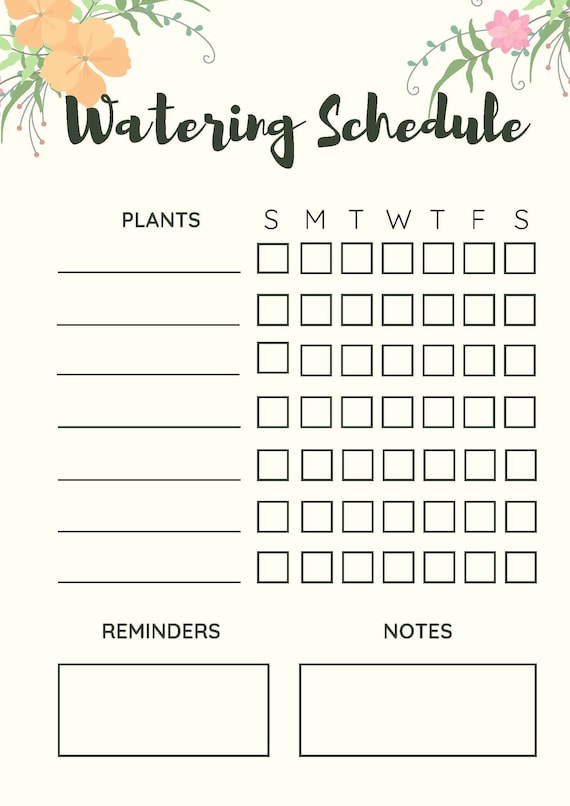
Now that you understand the variables, it’s time to put that knowledge into action and create a practical system that works for you and your plants. The best indoor plant watering schedule template isn’t one you download off the internet and follow blindly; it’s one you build and adapt based on your specific plants and environment. Start by observing rather than assuming. For each plant, gently stick your finger about two inches into the soil. If it feels dry, it’s likely time to water. If it still feels damp, hold off. Another good trick is to lift the pot; a dry pot will feel significantly lighter than a watered one.
Once you’ve assessed each plant, you can begin to categorize them. Group plants with similar watering needs together, perhaps physically in your home, or at least mentally on your schedule. For example, all your succulents might get watered every two to three weeks, while your ferns might need a drink every five to seven days. This categorization simplifies the process and makes managing multiple plants much more feasible.
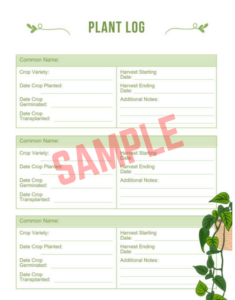
To keep track, you don’t need anything fancy. A simple notebook, a digital spreadsheet, or even a dedicated plant care app can serve as your personal indoor plant watering schedule template. Jot down each plant’s name, its last watering date, and a note on how the soil felt. After a few cycles, you’ll start to see patterns emerge. You might notice that your Pothos reliably needs water every 10 days, while your Snake Plant can go three weeks without a sip.
Remember, this template is a living document. Your plants’ needs will change with the seasons, as they grow, and if you move them to a different spot. Be prepared to adjust your schedule based on ongoing observation. If a plant starts looking droopy a day or two before its scheduled watering, it’s telling you it needs water sooner. Conversely, if the soil is still soaking wet on its scheduled day, push the watering back. Consistent observation and a willingness to adapt are the cornerstones of successful plant care.
Ultimately, mastering the art of watering comes down to developing a rhythm with your plants. By taking the time to understand their individual needs and creating a flexible, responsive plan, you’ll eliminate the stress of guesswork and foster a healthier, happier environment for your entire plant collection. It’s a journey of learning and observation, rewarding you with lush foliage and vibrant blooms that truly thrive under your care.