Living with dementia presents unique challenges, not just for the individual experiencing it, but also for their families and caregivers. One of the most effective strategies for bringing a sense of calm and predictability into this often unpredictable journey is establishing a structured daily routine. Think of it as creating a gentle rhythm for their day, which can significantly reduce anxiety and confusion.

A consistent schedule helps to provide a framework for their day, offering familiar anchors that can make the world feel a little less daunting. It’s about more than just keeping busy; it’s about fostering a sense of security, encouraging engagement, and maintaining independence where possible. This is where a well-thought-out daily schedule template for dementia patients becomes an invaluable tool, guiding caregivers in creating a supportive environment.
Understanding the Importance of a Routine for Dementia Patients
For individuals living with dementia, the world can often feel like a constantly shifting landscape. Memory loss, cognitive decline, and changes in perception can make even simple tasks overwhelming and lead to significant distress. A consistent daily routine acts as a stable anchor, providing predictability and reducing the cognitive load required to navigate each day. When someone knows what to expect next, even if they can’t consciously recall it, their anxiety levels often decrease, leading to a more peaceful and cooperative demeanor.
This predictability isn’t just about managing challenging behaviors; it’s about enhancing the overall quality of life. Regular patterns for meals, activities, and rest help regulate their internal clock, promoting better sleep and appetite. Moreover, a structured day ensures that essential care tasks, like medication administration and personal hygiene, are not missed, contributing directly to their health and well-being. It creates a sense of purpose and normalcy, which can be profoundly comforting.
Key Principles for Creating an Effective Schedule
When developing a routine, several principles should guide your approach. First, consistency is paramount. Try to perform activities at roughly the same time each day. Second, simplicity is key; avoid over-scheduling or complex tasks that might lead to frustration. Third, build in flexibility. While routine is important, life happens, and rigid adherence can sometimes be counterproductive. Observe their energy levels and mood, and be prepared to adjust without feeling like you’ve failed.
- **Morning Routine:** Start the day consistently. Waking up, personal hygiene, and breakfast should follow a similar sequence and timing each morning to establish a strong foundational rhythm.
- **Mid-day Engagement:** Incorporate a mix of light physical activity, cognitive stimulation, and social interaction. Keep activities short, simple, and enjoyable, focusing on their remaining abilities rather than their losses.
- **Evening Wind-Down:** Create a calming transition towards bedtime. This might include quiet activities, a warm drink, or reading aloud to signal that the day is concluding and rest is approaching.
- **Meal Times and Hydration:** Ensure meals and snacks are offered at regular intervals, providing adequate nutrition and hydration. Make these times relaxed and enjoyable, focusing on social interaction.
Remember that every person with dementia is unique, and what works for one may not work for another. The best daily schedule template for dementia patients is one that is highly personalized. Observe their preferences, energy patterns, and responses to different activities. This continuous observation allows you to fine-tune the schedule, making it a truly effective and supportive tool.
Crafting Your Personalized Daily Schedule Template
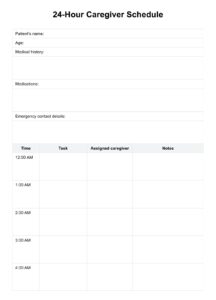
Creating an effective daily schedule template for dementia patients requires thoughtful consideration of the individual’s history, current abilities, and personal preferences. Start by observing their current natural rhythms. Do they tend to be more alert in the mornings or afternoons? Are there specific times of day when they become more restless or agitated? These observations will provide valuable clues for structuring their day in a way that aligns with their internal clock, rather than fighting against it.
Once you have a sense of their natural patterns, begin to populate the schedule with a mix of essential care tasks, engaging activities, and periods of rest. The goal is to create a balanced day that provides structure without being overly rigid. Think about incorporating activities that tap into their long-term memories or past hobbies, as these often remain accessible for longer. Simple tasks like folding laundry, watering plants, or listening to familiar music can provide a sense of purpose and enjoyment.
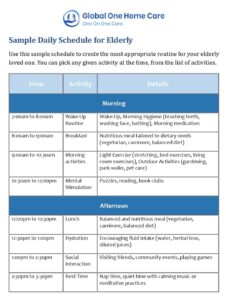
- **7:00 AM – 8:00 AM: Gentle Start & Personal Care:** Wake up, assist with toileting and dressing, offer a warm beverage.
- **8:00 AM – 9:00 AM: Breakfast:** Serve a nutritious breakfast in a calm environment.
- **9:00 AM – 10:00 AM: Light Activity:** Short walk, gentle stretches, or listening to preferred music.
- **10:00 AM – 11:00 AM: Cognitive Engagement:** Simple puzzle, reading aloud, looking at old photos, or a familiar craft.
- **11:00 AM – 12:00 PM: Free Time/Quiet Activity:** Independent quiet time or light household task.
- **12:00 PM – 1:00 PM: Lunch:** Enjoy a balanced lunch.
- **1:00 PM – 2:00 PM: Rest Period/Nap:** Encourage a short nap or quiet relaxation.
- **2:00 PM – 3:00 PM: Social Interaction:** Visiting with family, simple board game, or conversation.
- **3:00 PM – 4:00 PM: Snack & Hydration:** Offer a healthy snack and fluids.
- **4:00 PM – 5:00 PM: Engaging Task:** Help with a simple cooking task, gardening, or sorting items.
- **5:00 PM – 6:00 PM: Dinner Preparation & Dinner:** Assist with simple tasks before dinner, then enjoy the meal.
- **6:00 PM – 8:00 PM: Evening Wind-Down:** Relaxing music, TV show, warm bath, or reading.
- **8:00 PM – 9:00 PM: Bedtime Routine:** Prepare for bed, assist with hygiene, lights out.
Make the schedule visually appealing and easy to understand. Use large print, simple words, and perhaps even pictures or symbols to represent activities. Place it in a prominent location where it can be easily referenced by both the individual and their caregivers. A whiteboard or a laminated chart can work wonderfully. Remember, the goal is not to enforce strict adherence but to offer a predictable flow that brings comfort and stability.
Flexibility and patience are your greatest allies. There will be days when the schedule goes off track, and that’s perfectly normal. Don’t view it as a failure; simply adjust and restart. The consistency over time is what truly makes a difference, building a sense of security and familiarity that can profoundly improve the daily experience for someone living with dementia.
Implementing a thoughtful daily schedule can be a transformative step in dementia care. It empowers caregivers to create an environment that minimizes confusion and maximizes well-being, fostering a calmer, more predictable, and more engaging daily life for their loved ones. Embrace the process with an open mind and a loving heart, knowing that each small step towards routine contributes significantly to their comfort and dignity.
By providing this gentle structure, you’re not just managing a condition; you’re nurturing a person. The benefits extend beyond reduced anxiety, creating opportunities for connection, joy, and a continued sense of purpose. This commitment to routine can truly enhance the journey for everyone involved, making challenging days a little easier and bringing more moments of peace.