Caring for a loved one with dementia can be one of life’s most challenging yet rewarding experiences. The journey often brings with it a unique set of obstacles, including memory loss, communication difficulties, and changes in behavior. Amidst these shifts, establishing a sense of order and predictability can be a powerful anchor, not just for the person living with dementia, but for the entire household. It helps to create an environment where anxiety is lessened and daily life feels more manageable.

This is where a structured daily routine comes into play, offering a framework that provides comfort and stability. A well-designed routine can significantly improve the quality of life for dementia patients by reducing confusion and fostering a sense of security. It’s more than just a list of tasks; it’s a compassionate tool that can help navigate the complexities of dementia care, and we’re here to help you understand how to build an effective elderly daily schedule template for dementia patients.
Why a Structured Routine is a Game-Changer for Dementia Care
Imagine waking up each day without a clear understanding of what’s coming next, or forgetting what you just did moments ago. This is often the reality for individuals living with dementia, leading to increased anxiety, agitation, and confusion. A consistent daily routine acts as a gentle guide, providing a predictable rhythm that can significantly alleviate these feelings. When someone knows what to expect, even if they can’t articulate it, there’s an inherent sense of safety and calm that envelops them.
Predictability isn’t just about comfort; it’s also a powerful strategy for minimizing challenging behaviors. Many behavioral issues in dementia care stem from disorientation or a lack of control. By having set times for meals, activities, and rest, you reduce the opportunities for uncertainty to trigger distress. This stable environment allows the person to feel more grounded, making daily interactions smoother and more positive for everyone involved.
Moreover, a well-structured routine can subtly support cognitive function. While it cannot reverse the progression of dementia, consistent daily patterns can help reinforce existing abilities and even prompt memory recall in a gentle way. The repetition of activities strengthens neural pathways, and familiar tasks can become anchors in a world that often feels fragmented. It provides cues that help guide them through their day, reducing the mental effort required for basic functions.
The benefits extend beyond the individual with dementia, profoundly impacting caregivers too. Knowing what the day generally holds helps caregivers manage their time and energy more effectively, reducing stress and burnout. It allows for planned breaks and ensures that essential needs are met consistently, leading to a more harmonious caregiving experience overall.
Key Benefits of a Consistent Schedule
- Reduced confusion and disorientation
- Improved sleep patterns and overall well-being
- Decreased anxiety and agitation
- Enhanced sense of security and familiarity
- Greater predictability for caregivers, allowing for better planning
Crafting Your Personalized Elderly Daily Schedule Template for Dementia Patients
Developing an effective daily schedule for someone with dementia isn’t a one-size-fits-all endeavor. The most successful templates are those that are deeply personalized, taking into account the individual’s unique history, preferences, and current capabilities. Think about what your loved one enjoyed before dementia, their energy levels throughout the day, and what activities still bring them joy or comfort. This personal touch ensures the schedule feels less like a rigid set of rules and more like a natural, supportive flow to their day.
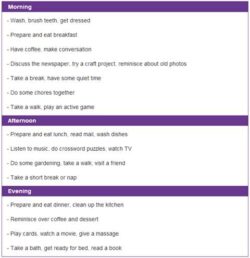
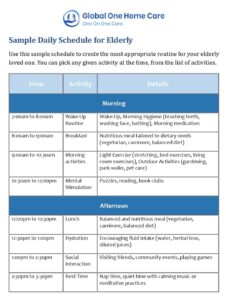
When you start to map out the day, consider the natural ebbs and flows of energy that most people experience. Morning routines might include personal care, breakfast, and a quiet activity. Mid-morning could transition to a more engaging activity, followed by lunch and an essential rest period in the afternoon. Evening routines should focus on winding down, preparing for sleep, and reinforcing a sense of security before bed. Consistency in these timings, even if activities vary slightly, is key.
Incorporating familiar elements from their past life can be incredibly therapeutic. Did they love gardening? Perhaps a supervised indoor plant care activity. Were they always a morning person? Schedule their most engaging activities early on. Focus on simple, achievable tasks that promote independence and a sense of accomplishment, even if it’s just folding laundry or setting the table. The goal is engagement and purpose, not perfection.
Remember, the template is a guide, not an unbreakable law. There will be days when things don’t go according to plan, and that’s perfectly normal. Flexibility, patience, and compassion are your most valuable tools. An effective elderly daily schedule template for dementia patients also factors in caregiver breaks and periods of quiet time for everyone. It’s about finding a balance that supports the person with dementia while sustaining the well-being of the caregiver.
Here are some elements to consider when building your template:
- **Morning Routine:** Waking, personal hygiene, dressing, breakfast
- **Mid-morning:** Light exercise, cognitive activities (puzzles, reading), social interaction
- **Lunch:** Prepared meal, hydration
- **Afternoon:** Rest period, quiet activities (music, sensory box), outdoor time
- **Early Evening:** Simple chores, snack, light entertainment
- **Evening Routine:** Dinner, personal hygiene, winding down activities, preparing for sleep
The creation and consistent application of a well-thought-out daily schedule can truly transform the caregiving experience for dementia patients and their families. It offers not just a framework for the day, but a profound sense of stability and reassurance in an often confusing world. By thoughtfully structuring the hours, we contribute significantly to a higher quality of life, fostering moments of joy, calm, and connection.
This commitment to routine, while requiring patience and adaptability, ultimately eases the journey for everyone involved. It empowers caregivers to provide the best possible support, helping their loved ones navigate each day with greater comfort and dignity, ensuring their well-being remains at the heart of every moment.