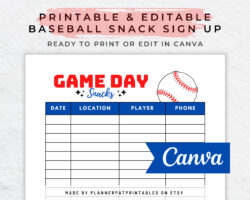
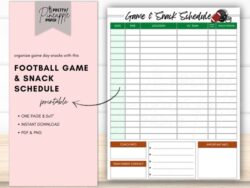
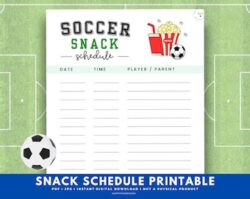
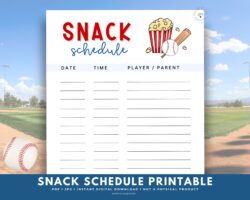
Playing basketball demands incredible energy, agility, and mental focus. Whether you’re a seasoned player or just starting out, fueling your body correctly is just as crucial as practicing your free throws. Many athletes meticulously plan their training sessions and game strategies, but often overlook one of the most vital components of peak performance: consistent, smart snacking throughout the day. It’s not just about eating big meals; it’s about strategically providing your body with the nutrients it needs, exactly when it needs them.
Think of your body as a high-performance vehicle. You wouldn’t expect it to run efficiently on an empty tank or with the wrong kind of fuel. Similarly, a basketball player’s body requires a steady supply of energy to sustain long practices, intense games, and crucial recovery periods. This is where a well-thought-out snacking plan comes into play. It helps prevent energy slumps, aids muscle repair, and keeps your concentration sharp from tip-off to the final buzzer.
Why a Structured Snack Schedule is a Game Changer
Implementing a structured snack schedule for basketball players isn’t just a recommendation; it’s a strategic move that can significantly impact on-court performance and overall well-being. Basketball is a sport of explosive movements, quick sprints, and sustained activity, all of which rapidly deplete your energy stores. Without consistent refueling, players can experience fatigue, a drop in reaction time, and reduced endurance, directly affecting their ability to execute plays and maintain intensity throughout a game or practice. A smart snack strategy ensures a steady supply of glucose, preventing the dreaded "bonk" that can leave players feeling drained and sluggish.
Beyond immediate energy, smart snacking plays a crucial role in muscle repair and recovery. Intense physical activity causes micro-tears in muscle fibers, and these need to be repaired and rebuilt to become stronger. Consuming the right balance of carbohydrates and protein shortly after exertion helps kickstart this recovery process, reducing muscle soreness and preparing the body for the next challenge. Skipping these vital post-activity snacks means prolonging recovery, which can lead to overtraining and an increased risk of injury over time.
Furthermore, nutrition isn’t just about physical strength; it profoundly impacts mental acuity. Decision-making under pressure, court awareness, and communication with teammates all rely on a well-fueled brain. When blood sugar levels drop, concentration can wane, leading to poor choices, missed opportunities, and frustration. Regular, balanced snacks help maintain stable blood sugar levels, ensuring that players remain mentally sharp and focused, capable of thinking quickly and making the right calls during critical moments of the game.
Key Elements of an Effective Basketball Snack Schedule
To truly maximize your performance and recovery, your basketball snack schedule needs to be thoughtfully designed around your training and game schedule. It’s about more than just grabbing whatever is convenient; it’s about choosing nutrient-dense options at the right times.
- Pre-Activity Snacks (1-2 hours before practice/game): Focus on easily digestible carbohydrates for quick energy, along with a small amount of protein. Think a banana, a piece of whole-wheat toast with a thin layer of peanut butter, or a handful of pretzels. These provide the fuel without weighing you down.
- During-Activity Snacks (for long practices/tournaments): If your activity extends beyond 60-90 minutes, consider easily consumed carbohydrates to replenish rapidly depleting glycogen stores. Sports gels, fruit chews, or even small pieces of fruit like orange slices can be beneficial. Hydration, often with an electrolyte drink, is paramount here too.
- Post-Activity Snacks (within 30-60 minutes after practice/game): This is your prime window for recovery. Aim for a combination of carbohydrates and protein to replenish glycogen stores and initiate muscle repair. Greek yogurt with berries, a protein smoothie with fruit, or chocolate milk are excellent choices.
- Between-Meals/Off-Day Snacks: These snacks maintain energy levels, prevent excessive hunger, and ensure a continuous supply of nutrients for ongoing recovery and growth. Options like a handful of almonds, an apple with cheese, or vegetable sticks with hummus work well.
Building Your Personalized Snack Schedule Template for Basketball
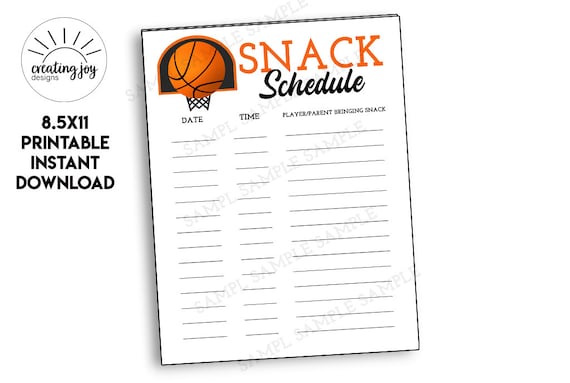
Creating an effective snack schedule for basketball isn’t a one-size-fits-all endeavor. Every player is unique, with varying metabolic rates, training intensities, and personal preferences. What works for a high school freshman might not be ideal for a college athlete, or vice versa. The key is to understand the foundational principles of sports nutrition and then customize them to fit your individual needs, daily routine, and the specific demands of your basketball schedule. Consider your body weight, activity level, and even your taste preferences when filling out your snack schedule template for basketball.
At the core of any successful snack strategy are the macronutrients: carbohydrates, protein, and healthy fats. Carbohydrates are your primary energy source, essential for both quick bursts of speed and sustained endurance. Protein is crucial for muscle repair and growth, helping your body recover from the stress of training and games. Healthy fats provide long-lasting energy and support overall health, though they should be consumed in moderation around activity times as they digest more slowly. A balanced snack will often combine at least two of these elements to provide sustained energy and support recovery.
Planning and preparation are your best friends when it comes to maintaining a consistent snack schedule. This means making smart grocery choices, perhaps doing some light meal prepping on the weekends, and always having portable, nutrient-dense options readily available. Packing a small cooler with a few essentials for practice or game day can make a huge difference. Think about what you can easily grab and eat between classes, before practice, or after a long game without much fuss.
Don’t forget the critical role of hydration alongside your snack choices. Snacks provide the fuel, but water and electrolytes are the lubricants that keep your internal engine running smoothly. Dehydration can quickly negate the benefits of even the best snack plan, leading to fatigue, reduced performance, and increased risk of injury. Make it a habit to sip water consistently throughout the day, not just when you feel thirsty, and consider electrolyte-rich beverages during or after intense sessions.
- Carb-Rich Options: Bananas, apples, oranges, whole-grain crackers, pretzels, dried fruit, rice cakes.
- Protein-Packed Choices: Greek yogurt, string cheese, hard-boiled eggs, small servings of nuts or seeds, protein bars (check ingredients carefully).
- Balanced Combinations: Apple slices with peanut butter, a small smoothie (fruit, yogurt, milk), whole-grain toast with avocado, a handful of trail mix.
Adopting a strategic approach to your snacking habits is one of the most effective ways to elevate your game and safeguard your long-term health as a basketball player. By consistently providing your body with the right nutrients at the right time, you’re not just preventing hunger; you’re actively supporting energy production, accelerating recovery, and sharpening your mental edge. This commitment to smart fueling extends beyond the court, fostering better overall health and wellness that will serve you well in all aspects of life.
Making these adjustments might seem like a small detail in the grand scheme of training, but the cumulative impact is profound. Pay attention to how different snacks make you feel, adjust portions and timings as needed, and listen to your body’s cues. With a well-executed snacking strategy, you’ll be able to perform at your peak, recover more efficiently, and enjoy the game with sustained vigor and focus.