Keeping your home or business comfortable year-round largely depends on the reliability of your heating ventilation and air conditioning system. Just like a car, your HVAC unit needs regular attention to run efficiently and prevent unexpected breakdowns. Neglecting these vital systems can lead to higher energy bills, costly repairs, and a less comfortable indoor environment.
That’s where a structured approach comes in handy. Having a clear plan for what to check and when can make all the difference, ensuring your system operates smoothly throughout its lifespan. This guide will walk you through the importance of consistent upkeep and how a practical hvac preventive maintenance schedule template can become your best ally.
Why a Proper HVAC Maintenance Schedule is Crucial
Thinking about your HVAC system might not be at the top of your mind until something goes wrong, but proactive care can save you a lot of headaches and money in the long run. Regular maintenance isn’t just about fixing problems when they arise; it’s about preventing them from happening in the first place. An efficiently running system uses less energy, which translates directly to lower utility bills each month. Over time, these savings really add up.
Beyond saving money, a well-maintained HVAC unit enjoys a longer operational life. Components that are regularly cleaned, checked, and adjusted are less likely to wear out prematurely. This means you won’t have to face the significant expense of replacing your entire system sooner than necessary. Imagine the peace of mind knowing your furnace will kick on reliably when the first cold snap hits, or your air conditioner will effortlessly cool your home during a summer heatwave.
Furthermore, the quality of the air you breathe is directly impacted by your HVAC system. A dirty system can circulate dust, allergens, and other pollutants throughout your indoor space, potentially affecting your health and comfort. Regular maintenance ensures that filters are clean and components are free of mold and mildew, contributing to a healthier living or working environment for everyone. It’s an investment in both your property and your well-being.
Key Components to Monitor
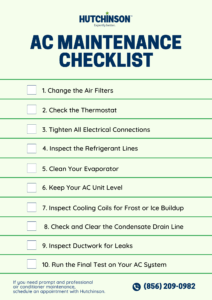
- Air Filters: Check monthly, replace every 1-3 months.
- Condenser and Evaporator Coils: Clean annually.
- Condensate Drain Line: Inspect and clear quarterly.
- Blower Motor and Fan: Lubricate and clean annually.
- Electrical Connections: Check for wear and tear annually.
- Thermostat: Calibrate and test annually.
By staying on top of these common areas, you’re not just performing maintenance; you’re adopting a strategic approach to preserve your indoor comfort and the significant investment your HVAC system represents. This proactive stance is far more beneficial than waiting for a problem to force your hand.
Building Your Personalized HVAC Preventive Maintenance Schedule Template
Creating your own hvac preventive maintenance schedule template doesn’t have to be complicated. The goal is to establish a routine that ensures all critical components of your heating and cooling system receive the attention they need at appropriate intervals. While some tasks are simple enough for any homeowner or facility manager to handle, others may require the expertise of a certified technician. The key is to organize these tasks so nothing gets overlooked, tailoring the schedule to your specific system type and usage patterns.
For instance, a residential system in a moderate climate will have different needs than a commercial unit operating continuously in an extreme environment. Your template should categorize tasks by frequency, such as monthly, quarterly, semi-annually, and annually. This helps in distributing the workload and making maintenance less daunting. Monthly checks are often simple visual inspections and filter changes, while annual tasks are more comprehensive and might involve professional service.
Consider breaking down tasks by season. As spring approaches, it’s the perfect time to prepare your air conditioning unit for the warmer months. This might involve cleaning the outdoor condenser unit, checking refrigerant levels, and ensuring the condensate drain is clear. Conversely, in the fall, your focus should shift to your heating system, performing tasks like inspecting the furnace igniter, checking flue pipes for blockages, and testing the thermostat’s heating function.
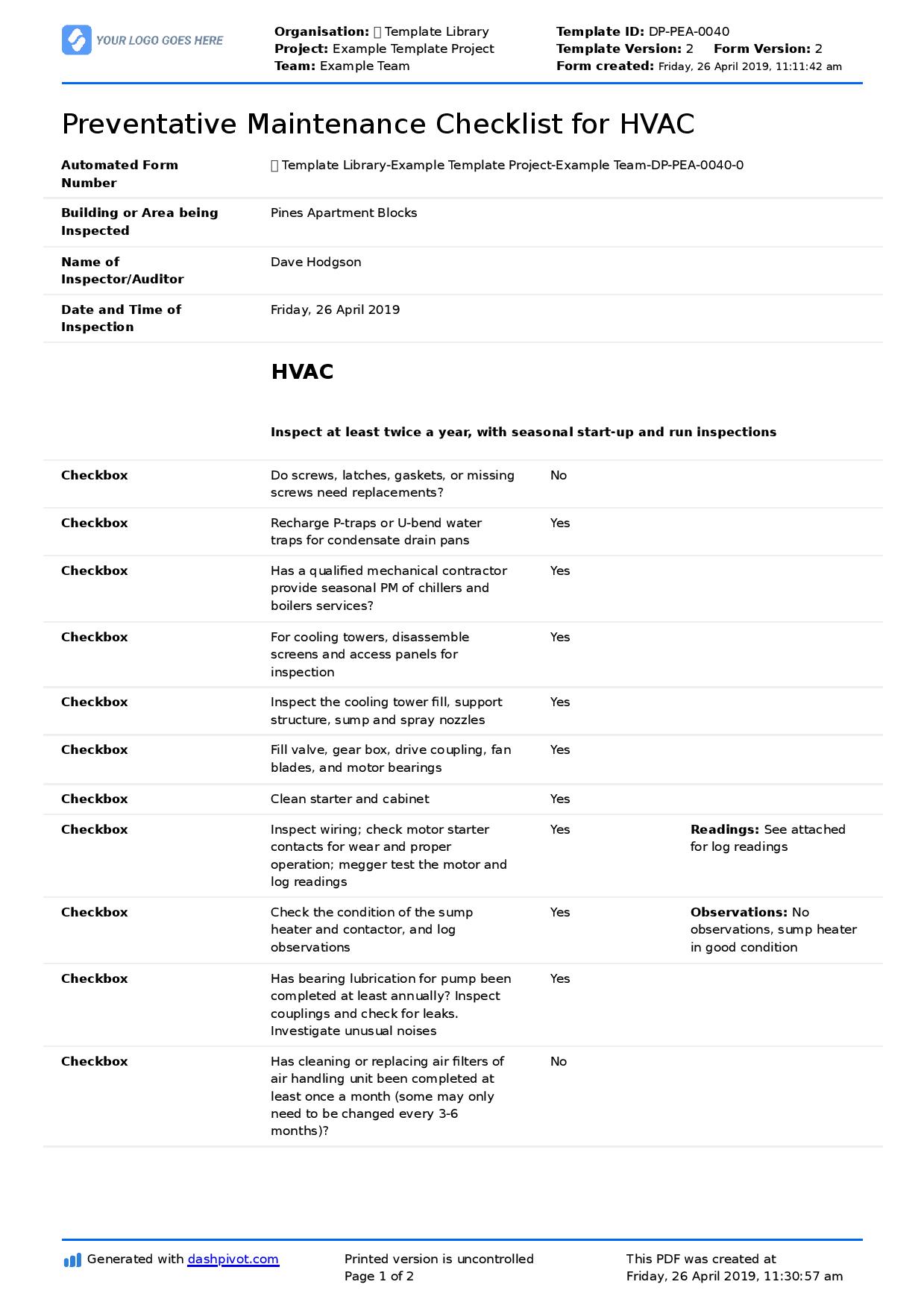
Using a template means you can record when each task was performed, who performed it, and any notes about the system’s condition. This historical data is invaluable for tracking trends, identifying recurring issues, and planning future maintenance or repairs. It also serves as a useful reference for technicians during their visits. Ultimately, a well-structured hvac preventive maintenance schedule template provides a clear roadmap for keeping your system in peak condition, extending its life, and maximizing its efficiency for years to come.
Adopting a consistent maintenance routine for your HVAC system is one of the smartest decisions you can make for your property. It’s a proactive step that protects your investment, minimizes energy consumption, and ensures a comfortable, healthy indoor environment. By following a structured schedule, you’re not just maintaining equipment; you’re securing long-term peace of mind and financial savings.
The benefits of a well-maintained HVAC system are clear: greater efficiency, fewer breakdowns, and a longer lifespan. Don’t wait for a problem to arise before thinking about your heating and cooling system. Start today by implementing a regular maintenance schedule and enjoy the lasting comfort and savings that come with it.