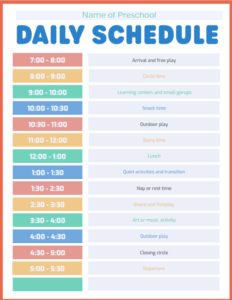
Navigating daily routines, especially with young children or individuals who thrive on predictability, can sometimes feel like a constant negotiation. We all want our days to run smoothly, but transitions, less preferred tasks, and simply understanding what comes next can be a source of anxiety and frustration for many. This is where visual aids step in, offering a clear, calming pathway through the day’s activities.
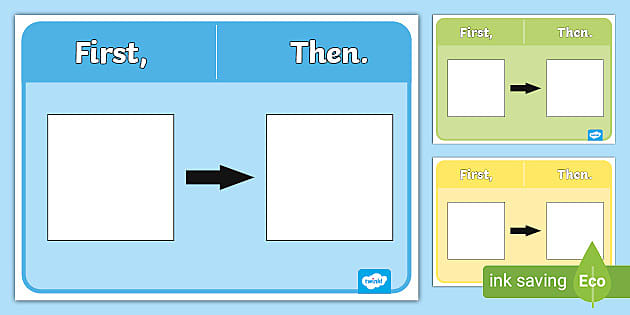
Among the most effective and widely used visual supports is the “first then” strategy. It’s a remarkably simple yet powerful tool designed to communicate expectations clearly, reduce behavioral challenges, and build independence. By showing what needs to be done *first* before a desired activity can happen *then*, it provides a concrete roadmap that minimizes confusion and maximizes cooperation. And the best part? Getting started is easier than ever with a readily available first then visual schedule template.
Understanding the Power of a First Then Visual Schedule
At its core, a “first then” visual schedule operates on a very direct premise: complete a designated task or activity (the “first”) and then you will get to do a preferred or reinforcing activity (the “then”). This straightforward communication method is incredibly effective because it removes ambiguity. Instead of relying solely on spoken words, which can be fleeting or abstract, it offers a tangible, visual representation of what’s expected.
This approach is particularly beneficial for children with autism spectrum disorder, ADHD, developmental delays, or even typical toddlers who are learning about sequences and cause-and-effect. It helps individuals understand the structure of their day, manage expectations, and cope with transitions between activities. When they can visually see that a less preferred task, like tidying up toys, leads directly to a highly preferred activity, such as playing with blocks, cooperation tends to increase significantly.
The power lies in its ability to provide predictability. For many, uncertainty can be a major trigger for anxiety or challenging behaviors. A first then schedule offers a clear picture of what’s coming next, giving a sense of control and reducing the mental load of wondering. It transforms demands into opportunities, framing the “first” task as a stepping stone to something enjoyable, rather than an arbitrary command.
Moreover, it fosters independence. When an individual can reference their own schedule, they become active participants in their day rather than passive recipients of instructions. This self-direction builds confidence and valuable life skills, gradually enabling them to take on more complex sequences and tasks over time. It’s a gentle way to guide behavior without constant verbal prompting or power struggles.
Key Components of an Effective First Then Visual Schedule
- Visuals for the “first” activity, clearly depicting the task to be completed.
- Visuals for the “then” activity, showcasing the desired reward or preferred action.
- Clear and concise wording for both “first” and “then” sections, reinforcing the visuals.
- Portability or accessibility, making it easy to use in various locations or move as needed.
- Flexibility, allowing for easy changing of tasks and rewards to suit different situations.
Creating and Utilizing Your First Then Visual Schedule Template
Getting started with a first then visual schedule is remarkably simple, especially when you have a good template as your foundation. You don’t need to be an artist or a graphic designer; there are countless printable resources available online, many of which are free or very affordable. These templates often come with pre-designed layouts and even a selection of common activity visuals, making the customization process quick and easy. The convenience of a ready-made first then visual schedule template means you can implement this strategy almost immediately.
Once you’ve chosen your first then visual schedule template, the next step is to personalize it. This involves selecting appropriate visuals for both the “first” and “then” activities. Visuals can range from simple line drawings and clip art to actual photographs of the person engaged in the activity or the specific item they will receive. Photos are often highly effective, especially for younger children, as they are concrete and easy to recognize. Print your chosen template and visuals, and consider laminating them for durability, especially if they will be handled frequently. Attaching the visuals with Velcro dots or magnets allows for easy changing of tasks throughout the day.
Implementing the schedule effectively is just as important as creating it. When introducing the “first then” board, do so calmly and clearly. Point to the “first” visual and state, “First, [activity],” then point to the “then” visual and say, “Then, [reward].” Always follow through immediately on the “then” part once the “first” task is completed. Consistency is key; if you promise something, deliver it. Start with very easy “first” tasks and highly motivating “then” activities to build success and reinforce the positive association with the schedule.
Over time, you can gradually increase the duration or difficulty of the “first” task as the individual becomes more accustomed to the system. Remember to be patient and positive. Celebrate their success in completing the “first” task, even small ones. This positive reinforcement strengthens the desired behavior and builds their confidence in using the visual schedule. The goal is to make it a helpful, predictable part of their routine, rather than another source of pressure.
Embracing the first then visual schedule strategy can truly transform daily routines into smoother, more predictable experiences. By providing a clear, visual pathway, you empower individuals to understand expectations, manage transitions, and gain a greater sense of control over their day. It’s a tool that fosters cooperation, reduces anxiety, and ultimately, helps build essential independence skills.
Whether you’re a parent, educator, or caregiver, incorporating a first then visual schedule can lead to remarkable positive changes in behavior and engagement. It’s a simple shift in communication that yields powerful results, making daily life more harmonious and enjoyable for everyone involved.